India Achieves 10 Million HPV Vaccine Doses in Under Nine Months
The Indian government has successfully administered over 10 million doses of the HPV vaccine to girls, marking a significant public health milestone.
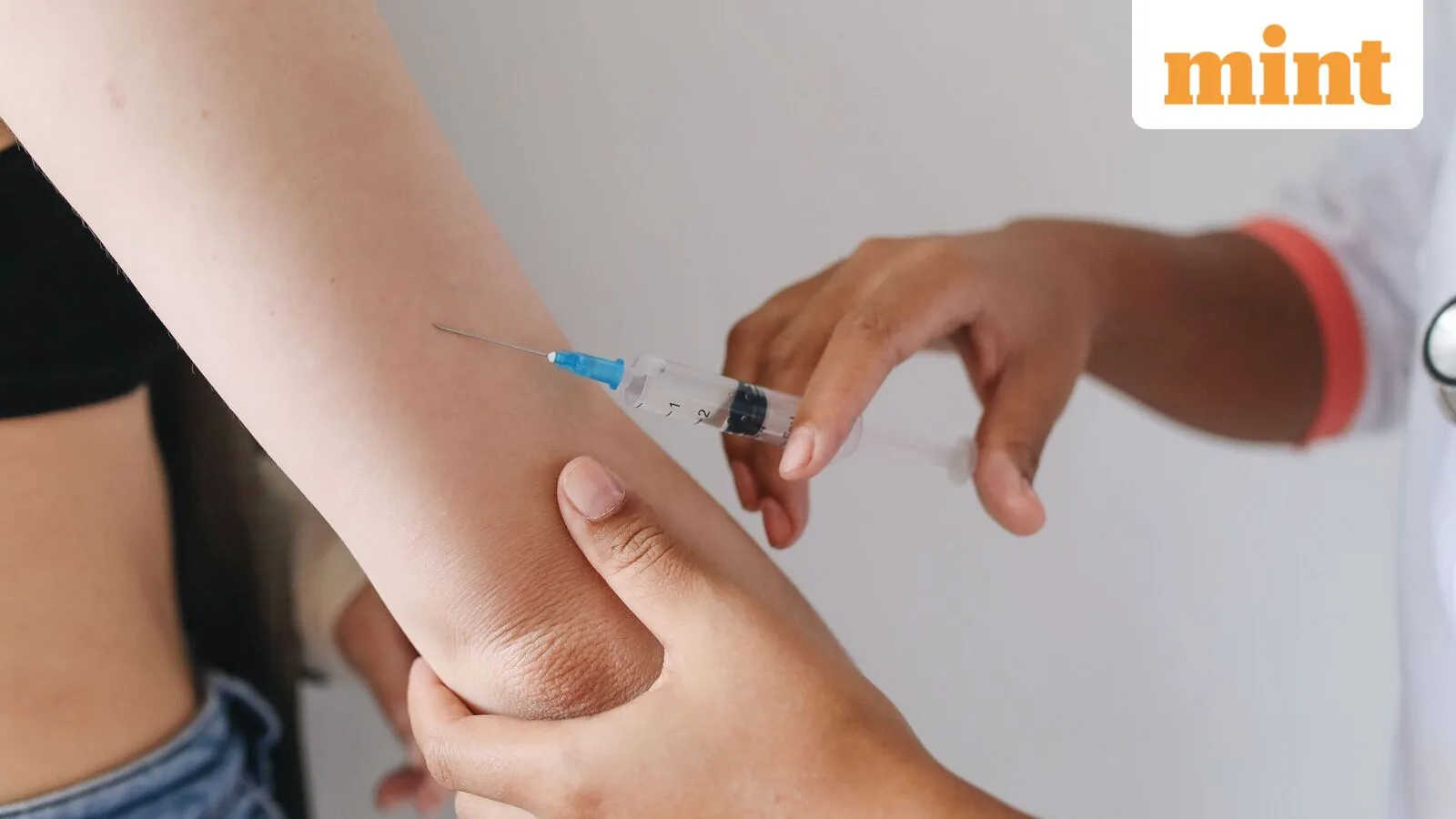
India has vaccinated over 10 million girls against HPV in less than nine months.
Cervical cancer is the second most common cancer among Indian women, with over 127,000 new cases annually.
The vaccination campaign aims to prevent cervical cancer and is part of a broader strategy to eliminate the disease by 2030.
India has crossed a significant milestone by administering over 10 million doses of the human papillomavirus (HPV) vaccine to girls aged 14 in a campaign initiated by the Union health ministry. This achievement, reached in less than nine months, represents nearly 87% of the annual target of 12 million girls, garnering praise from the World Health Organization's South-East Asia Region.
The urgency of this vaccination drive is underscored by alarming statistics regarding cervical cancer in India. The World Health Organization estimates that the country reports approximately 127,526 new cases and 79,906 deaths from cervical cancer each year, making it the second most prevalent cancer among women in India, following breast cancer. The initiative marks a pivotal shift from treating cervical cancer at advanced stages to a proactive approach aimed at prevention.
The vaccine being administered is Gardasil-4, a quadrivalent recombinant vaccine produced by MSD (Merck), which protects against high-risk HPV strains responsible for the majority of cervical cancer cases. The vaccination is ideally given at age 14, as it is most effective when administered before any potential exposure to the virus. This campaign is part of India's alignment with the WHO's global strategy to eliminate cervical cancer by 2030, which includes vaccinating 90% of girls by age 15.
The implications of this vaccination campaign are profound for public health in India. With cervical cancer accounting for a significant portion of cancer cases and deaths among women, the initiative aims to reduce the future burden of the disease and the associated healthcare costs. Vaccination is seen as a critical step in interrupting the transmission of HPV, which is linked to the majority of cervical cancer cases. However, experts emphasize that vaccination should complement regular screening for women already eligible, as early detection remains crucial.
Looking ahead, the government plans to integrate the HPV vaccination into routine immunization programs across various healthcare facilities. States like Uttar Pradesh, Bihar, and Gujarat have already achieved impressive coverage rates, with ongoing efforts to ensure that all eligible girls receive the vaccine. The campaign not only aims to protect women’s health but also seeks to raise awareness about cervical cancer and the importance of preventive healthcare.