ICMR Survey Reveals 66% of Indian Adolescents Lack Sufficient Vitamin B12
A recent ICMR survey indicates a significant deficiency of vitamin B12 among adolescents in India, raising health concerns.

66.1% of adolescent boys and 65.4% of girls are vitamin B12 deficient.
The survey analyzed over 1.7 lakh blood samples from more than 2 lakh individuals.
Low maternal B12 levels are linked to adverse pregnancy outcomes and developmental issues.
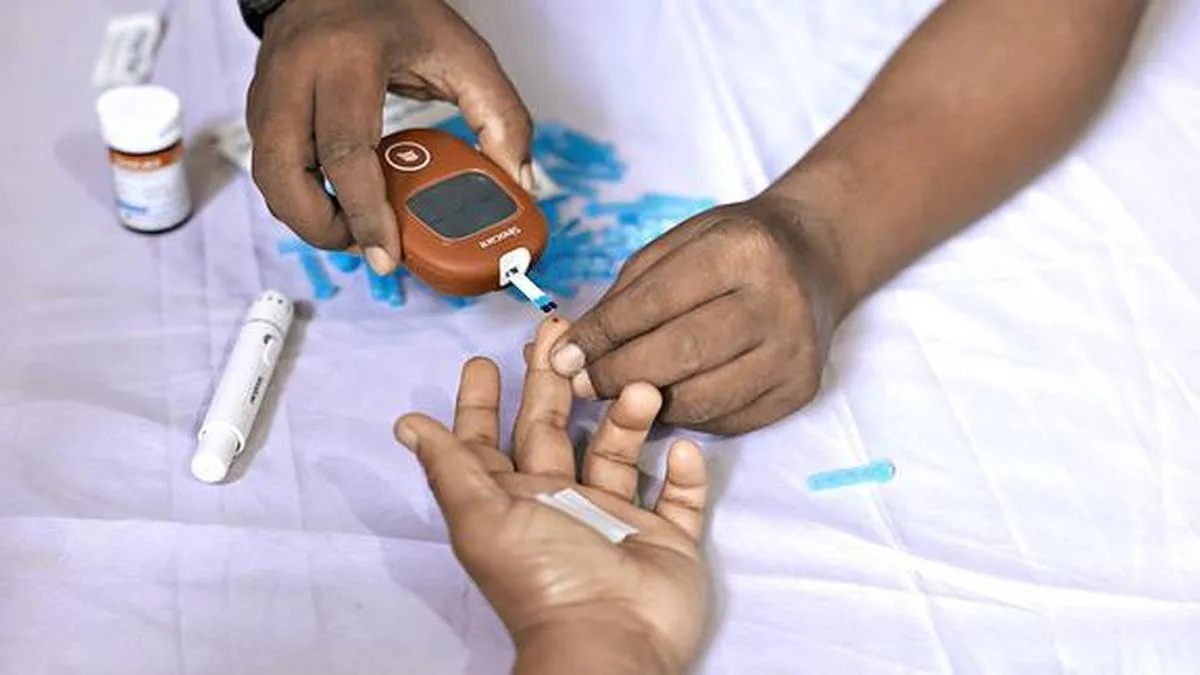
A national survey conducted by the Indian Council of Medical Research (ICMR) has revealed that nearly two-thirds of adolescents in India are deficient in vitamin B12, a crucial micronutrient for brain development and nerve function. The findings, part of the Survey for Assessment of Markers of Population Health, Activity, Diet and Anthropometry (SAMPADA), underscore the potential long-term health implications of such nutritional deficiencies, particularly for vulnerable populations like children and pregnant women.
The SAMPADA survey, which took place from 2023 to 2025, found that 66.1% of adolescent boys and 65.4% of adolescent girls were lacking in vitamin B12. Additionally, the deficiency rate was recorded at 63.1% among pregnant women, 60.4% among adult men aged 20-59, and 57.4% among women aged 15-49. Alarmingly, even 46.5% of children aged five to nine showed signs of deficiency. The study analyzed blood samples from over 1.7 lakh individuals across 183 districts and 35 states and union territories, defining deficiency as serum vitamin B12 levels below 203 pg/mL.
Vitamin B12 is essential for DNA synthesis, red blood cell production, and maintaining nerve health. Prolonged deficiency can lead to severe health issues, including peripheral neuropathy and irreversible neurological damage. In infants, a lack of this vitamin can cause developmental delays. Chittaranjan Yajnik, director of the Diabetes Unit at KEM Hospital in Pune, emphasized the importance of addressing vitamin B12 deficiency, particularly among women of reproductive age, as it has significant implications for future generations.
The survey's findings raise critical questions about India's nutritional policies, particularly the Anemia Mukt Bharat strategy, which primarily focuses on iron and folic acid supplementation. While fortified rice includes vitamin B12, routine screening and supplementation for this vitamin are not prioritized. Experts like Anura Kurpad from St. John’s Medical College in Bengaluru caution against hastily implementing widespread supplementation without further research to establish appropriate vitamin B12 levels specific to the Indian population.
Looking ahead, the ICMR survey highlights the urgent need for comprehensive nutritional strategies that include vitamin B12 supplementation and food fortification. As the health implications of these deficiencies become clearer, it is crucial for policymakers to consider the broader context of maternal and child health, ensuring that nutritional programs adequately address the needs of all demographics, particularly those at risk of deficiency.