Gut Microbes as Biological Timekeepers: New Research Insights
Recent studies reveal how gut bacteria influence nutrient absorption and biological rhythms based on feeding times.
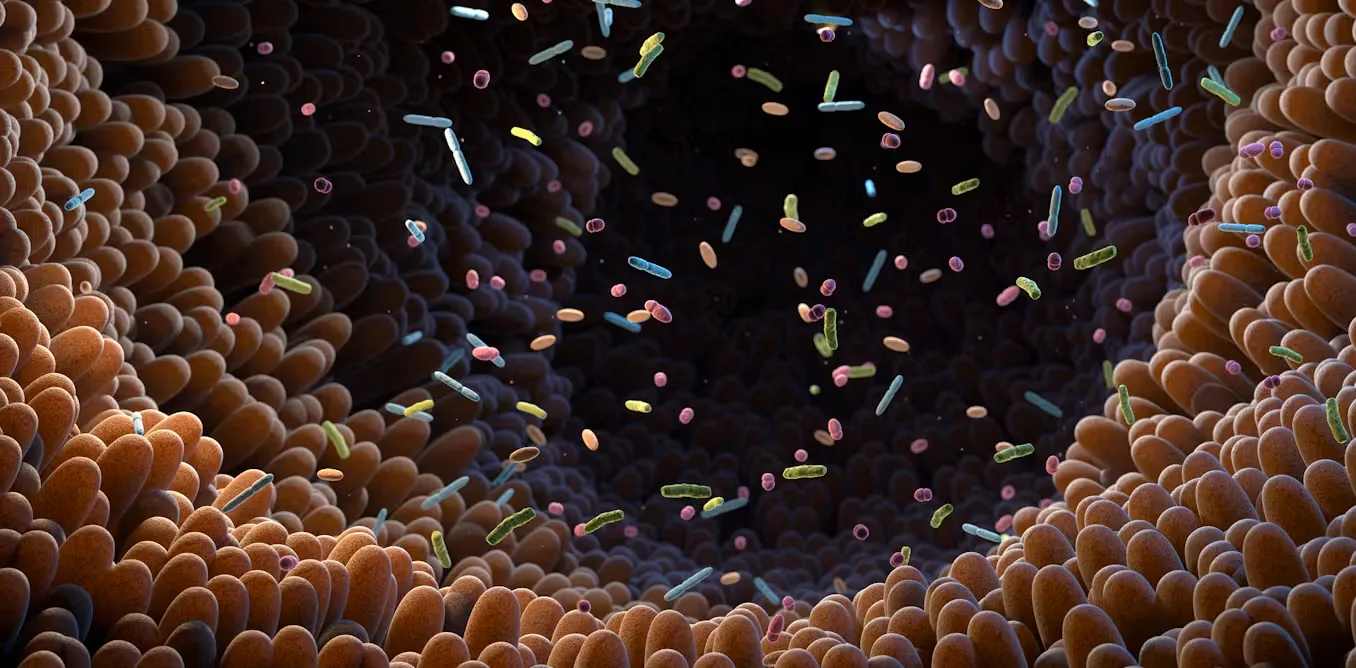
Gut microbes convert dietary signals into molecules that regulate nutrient absorption.
Disruptions in the gut microbiome can lead to metabolic disorders, including obesity.
Feeding times serve as critical signals for gut bacteria, aligning nutrient processing with daily rhythms.
A recent study published in the journal Cell Host & Microbe has unveiled the significant role of gut bacteria in regulating how the body processes food, particularly in relation to daily light-dark cycles. Researchers discovered that these microbes act as internal timekeepers, converting dietary signals into molecules that help synchronize nutrient absorption with feeding times. This mechanism was shown to enhance nutrient uptake in mice, especially during periods of food scarcity, while excessive calorie intake led to increased obesity.
The concept of circadian rhythms is central to understanding this process. All living organisms, including humans, experience daily cycles dictated by the Earth's rotation, which influence various physiological functions. Light signals received by the eyes and brain help coordinate bodily activities with environmental changes. However, the gut microbiome, consisting of trillions of microbes, plays a crucial role in regulating metabolism and other physiological processes, including daily biological rhythms.
The research indicates that gut microbes can metabolize phytate, a component found in many foods, into molecules that activate proteins in intestinal cells responsible for nutrient transport. During fasting, reduced phytate levels lead to decreased microbial activity and lower nutrient absorption, suggesting that gut bacteria align their functions with typical eating patterns. This finding highlights the importance of feeding times as a signal for gut microbes, similar to how light influences biological functions.
The implications of this research extend beyond individual health. The co-evolution of humans and their gut microbiota suggests that this microbial timekeeping system has historically provided advantages, particularly during periods of food scarcity. Experiments showed that undernourished mice receiving specific gut microbes or their metabolites exhibited improved growth and metabolic health. However, in today's environment of constant calorie availability, the same microbial mechanisms can lead to excessive fat accumulation and obesity, illustrating a potential evolutionary mismatch.
Looking ahead, further research is needed to explore the complexities of gut microbiome interactions and their implications for human health. Understanding how these microbial timekeepers operate could inform dietary recommendations and interventions aimed at mitigating obesity and related metabolic disorders. As scientists continue to unravel the connections between gut health and overall well-being, the role of feeding times and gut bacteria will likely remain a focal point in nutritional science.