Single Dose HPV Vaccine Matches Two-Dose Efficacy in Trial
A recent study reveals that a single dose of the HPV vaccine provides protection equivalent to a two-dose regimen, potentially transforming vaccination strategies.
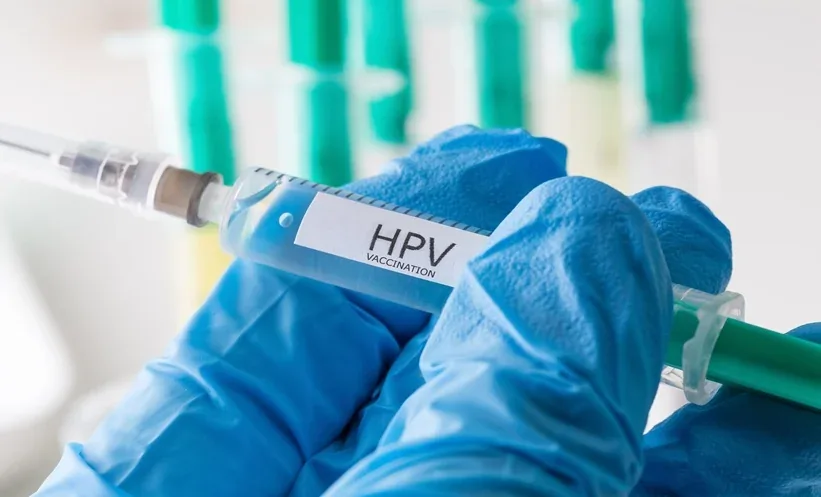
Single-dose HPV vaccination shows over 97% effectiveness against high-risk infections.
The ESCUDDO trial involved over 20,000 participants, confirming noninferiority to two doses.
Findings could simplify vaccination programs, especially in resource-limited settings.
A recent large-scale trial has demonstrated that a single dose of the human papillomavirus (HPV) vaccine offers protection against high-risk HPV infections comparable to that provided by a two-dose regimen. Published in the New England Journal of Medicine, these findings could significantly influence global vaccination strategies, making immunization programs more accessible and efficient in preventing cervical cancer.
The ESCUDDO trial aimed to assess whether one dose of the HPV vaccine could effectively prevent persistent infections caused by HPV types 16 and 18, which are responsible for about 70% of cervical cancer cases worldwide. Despite the proven effectiveness of multi-dose HPV vaccination, its global uptake has been inconsistent due to various barriers, including vaccine availability and cost, as well as challenges in completing vaccination schedules. Researchers sought to explore if a single-dose approach could yield similar protective benefits while minimizing resource requirements.
The trial enrolled 20,330 girls aged 12 to 16, who received either one or two doses of a bivalent or nonavalent HPV vaccine. The primary outcome measured was the occurrence of new HPV16 or HPV18 infections between 12 and 60 months that persisted for at least six months. The results indicated that a single dose was noninferior to two doses in preventing persistent infections. Specifically, the bivalent vaccine showed a difference of -0.13 infections per 100 participants, while the nonavalent vaccine had a difference of 0.21 infections per 100 participants, both demonstrating high levels of effectiveness at over 97% across all groups.
These findings are particularly significant for regions with limited healthcare resources, where completing multi-dose vaccination schedules can be challenging. By reducing the number of doses required, vaccination programs could become more streamlined, cost-effective, and capable of reaching a larger population. This is especially crucial in low- and middle-income countries, where cervical cancer rates are disproportionately high.
However, it is important to note that the trial focused on persistent HPV infection rather than the incidence of cervical cancer itself. Continued long-term monitoring will be essential to determine the durability of protection beyond the five-year follow-up period. Overall, the researchers concluded that a single dose of either the bivalent or nonavalent HPV vaccine is as effective as two doses in preventing persistent HPV16 or HPV18 infections. This evidence supports the potential for simplified HPV vaccination schedules and could enhance global efforts to combat cervical cancer.