Ebola Outbreak in Congo Surges: Over 11,000 Infected
The Ebola crisis in the Democratic Republic of Congo escalates, marking the second-largest outbreak globally with alarming infection rates.
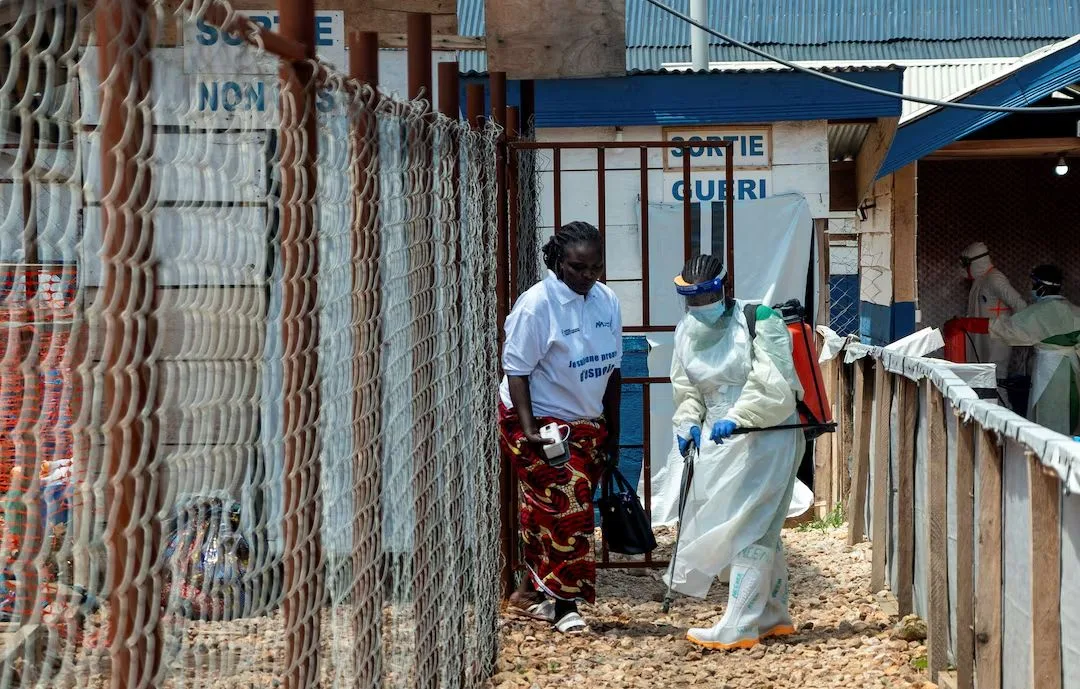
Over 11,000 people infected and 5,500 deaths reported since May 15.
Current outbreak spreads faster than the 2014-2016 West Africa epidemic.
Insecurity and resource shortages hinder containment efforts.
The Ebola outbreak in the eastern Democratic Republic of Congo continues to spiral out of control, six months after its declaration on May 15. With more than 11,000 confirmed infections and over 5,500 fatalities, this outbreak is now recognized as the second-largest in recorded history. Health officials are alarmed by the rapid increase in cases and deaths, which are occurring at a pace that exceeds previous outbreaks.
Historically, Congo has faced numerous Ebola outbreaks, but the current situation is unprecedented. This marks the country's 17th Ebola outbreak, significantly surpassing the previous largest outbreak from 2018 to 2020, which recorded 3,481 cases and 2,299 deaths. The outbreak is attributed to the rare Bundibugyo strain of the virus, and the current infection and mortality rates are reportedly double those observed during the initial six months of the West Africa outbreak from 2014 to 2016.
Challenges in controlling the outbreak are exacerbated by insecurity in the region. Health workers have faced attacks, leading to a lack of trust from local communities. Médecins Sans Frontières has reported that essential medical supplies are not reaching critical areas outside the initial epicenter in Ituri province. Additionally, strikes by health workers over unpaid salaries have further complicated the response efforts, with some staff reportedly not receiving payment since August.
The implications of this outbreak extend beyond health concerns, affecting the broader public and regional stability. The United Nations has highlighted insecurity as a significant barrier to effective containment, as health teams and resources are often targeted. Despite a pledge of $2.9 billion for the response, less than half of the funds have been allocated, according to Africa's leading public health agency.
Looking ahead, the Congolese government is working to address the issues of resource allocation and worker compensation to improve the situation. Public health officials are urging for immediate action to control the outbreak, as the situation continues to evolve rapidly. The international community is closely monitoring developments, and further assistance may be necessary to curb the spread of the virus.