Cervical Cancer Elimination Day Highlights Urgent Need for Screening
Cervical Cancer Elimination Day emphasizes the critical importance of screening, revealing alarming statistics about women's health in India.

Only 1.9% of women aged 30-49 in India have been screened for cervical cancer.
Cervical cancer screening should begin at age 25 and continue until 65.
Innovative tools like Smart Scope CX are making screenings more accessible in rural areas.
Cervical Cancer Elimination Day has underscored the pressing challenges in addressing cervical cancer, particularly in India, where alarming statistics reveal that one in five women diagnosed with the disease is from the country. According to the World Health Organization, the need for increased awareness and screening is critical, as only 1.9% of women aged between 30 and 49 have undergone screening, as per the National Family Health Survey-5.
Experts highlight that many women only seek medical attention when they experience symptoms such as pain or abnormal bleeding, often due to the stigma surrounding the Human Papillomavirus (HPV), which is sexually transmitted. Dr. Amit Upadhyay, a senior consultant hematologist and oncologist at PSRI Hospital in Delhi, pointed out that societal judgments often deter women from getting screened. He stated, "Many women fear judgment or mistakenly assume that undergoing testing suggests promiscuity or infidelity."
Misconceptions about the necessity of cervical cancer screening persist, with some women believing it is only required after marriage or childbirth. Dr. Mandeep Singh Malhotra, an oncologist at the Art of Healing Cancer in Gurugram, emphasized that sexually active women should consult their gynecologists for regular screenings, regardless of their marital status. He recommends initiating screenings at age 25 and continuing until 65, highlighting the significant mortality burden cervical cancer poses on women in India.
Innovative solutions are emerging to tackle these challenges, such as the Smart Scope CX developed by Periwinkle Technologies. This device allows nurse-midwives in village clinics to conduct cervical cancer screenings in under a minute, significantly increasing accessibility. Veena Moktali, co-founder of Smart Scope CX, noted that this innovation has already screened hundreds of thousands of women in India and beyond, including presentations to global leaders like Prime Minister Narendra Modi during the BRICS Summit in 2026.
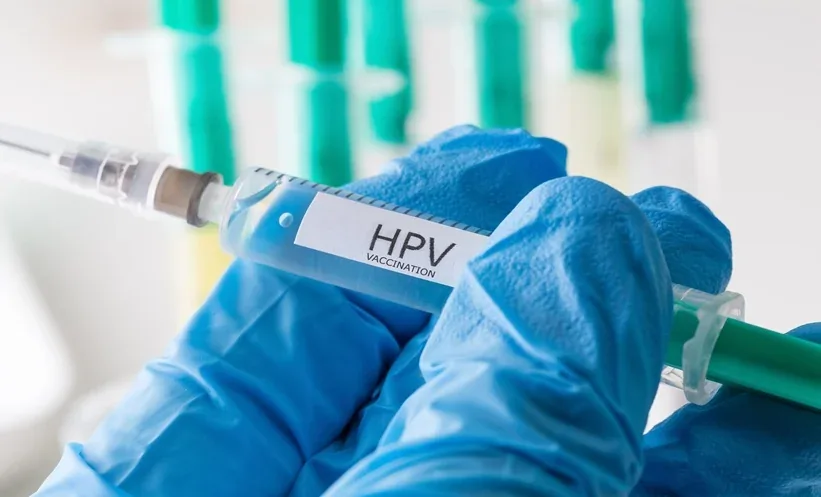
In February 2026, India initiated a national HPV vaccination campaign, offering free voluntary doses to girls aged 14. While older adolescents and young adults can also receive catch-up vaccinations, medical professionals stress that vaccination does not eliminate the need for regular screenings, as current vaccines do not protect against all cancer-causing HPV types. Early detection remains crucial, as early-stage cervical cancer often shows no symptoms, and routine screenings can identify precancerous changes that may develop over time.