Ebola Death Toll in DR Congo Exceeds 5,000 Amid Ongoing Crisis
The Democratic Republic of the Congo faces its deadliest Ebola outbreak, with over 5,000 fatalities reported as of Friday.
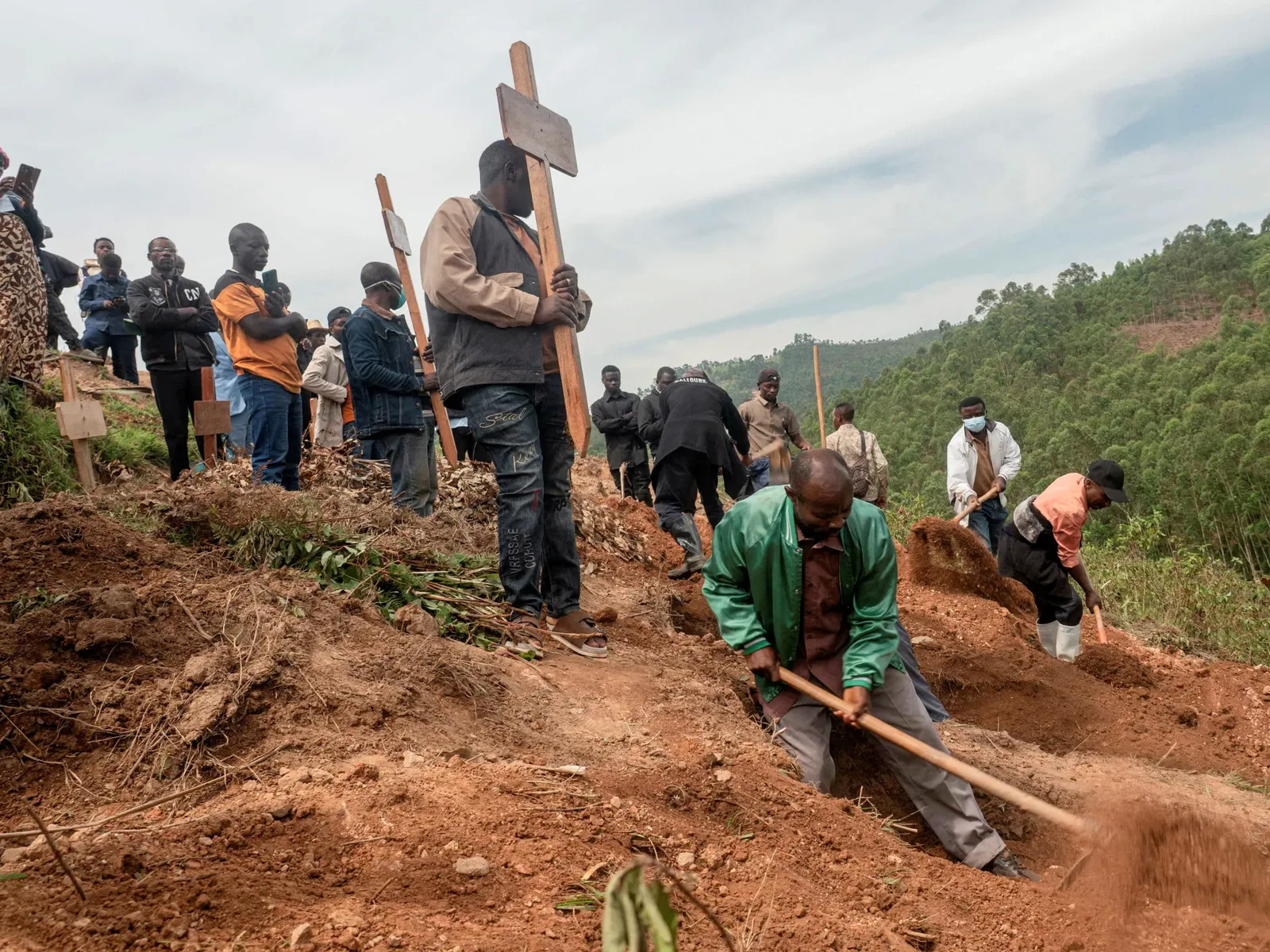
Ebola has claimed over 5,000 lives in the DRC since May.
The outbreak has infected more than 10,000 individuals, spreading to eight provinces.
Travel restrictions have been implemented by several countries, including Saudi Arabia.
The Democratic Republic of the Congo (DRC) has reported that the death toll from the ongoing Ebola outbreak has surpassed 5,000, marking a significant public health crisis. This alarming figure was disclosed by government officials on Friday, highlighting the severity of the situation as authorities continue to grapple with controlling the spread of the virus.
Since the outbreak was declared in May, more than 10,000 individuals have contracted the virus, which is attributed to the rare Bundibugyo strain. The rapid spread of the virus has been exacerbated by delayed detection, ongoing conflicts, and overwhelmed health services, resulting in the outbreak affecting eight of the DRC's 26 provinces.
The current Ebola crisis is now recognized as the second-largest outbreak in history, following the devastating epidemic from 2014 to 2016 that resulted in over 28,600 infections and more than 11,000 deaths across Guinea, Liberia, and Sierra Leone. The DRC's situation is further complicated by the virus's spread to neighboring countries, with Nigeria recently reporting its first case linked to the outbreak.
In response to the escalating crisis, several governments have enacted travel restrictions to mitigate the risk of further transmission. Saudi Arabia has suspended travel to and from Kenya, implementing a ban on entry for travelers from the country, including those who have recently visited other affected regions. This follows earlier restrictions placed on travel from the DRC, Uganda, and South Sudan.
Looking ahead, the DRC faces a critical need for effective interventions as health authorities strive to contain the outbreak. The absence of approved treatments or vaccines for the Bundibugyo strain poses a significant challenge, and international cooperation will be crucial in addressing the ongoing health emergency.