Daraxonrasib Shows Promising Results in RASolute 302 Trial
At the 2026 ASCO Annual Meeting, daraxonrasib demonstrated nearly double the survival rate for pancreatic cancer patients compared to traditional chemotherapy.
Daraxonrasib significantly improved median overall survival to 13.2 months.
The drug benefits a broader patient population beyond those with RAS G12 mutations.
Transitioning to an oral medication alters care dynamics for oncology teams.
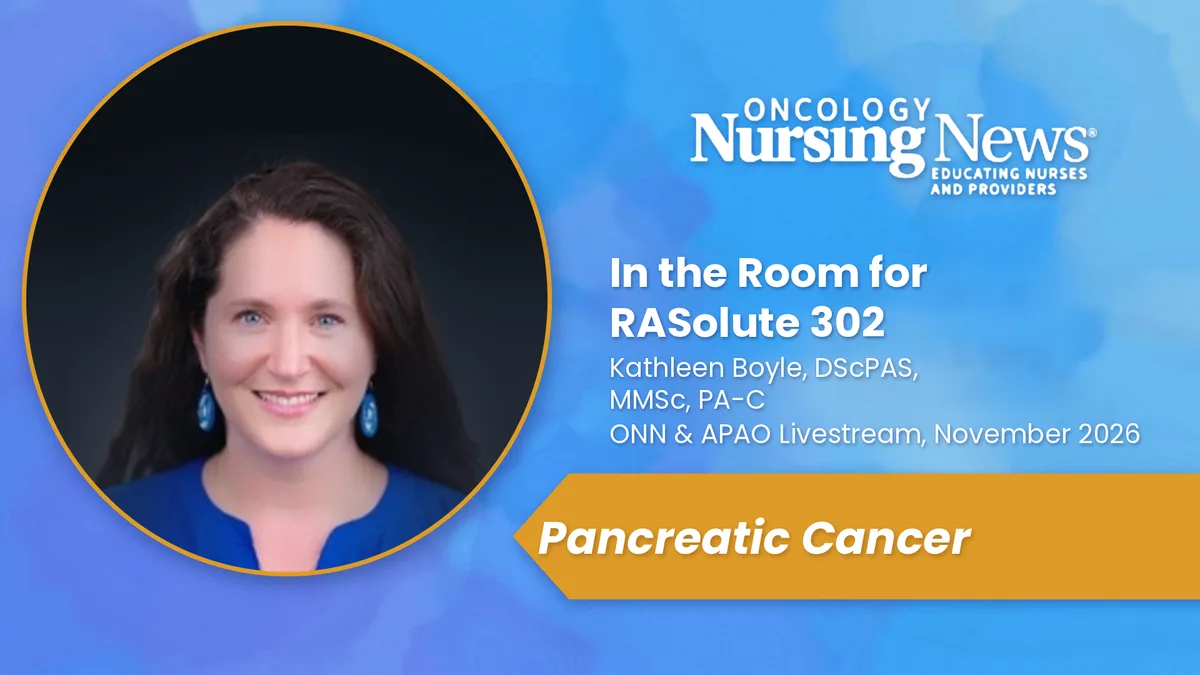
During the 2026 ASCO Annual Meeting, groundbreaking results from the RASolute 302 trial were revealed, highlighting the efficacy of daraxonrasib in treating metastatic pancreatic cancer. Kathleen Boyle, a physician associate at Dana-Farber Cancer Institute, witnessed the moment when the trial results indicated that the oral medication nearly doubled the median overall survival rate compared to chemotherapy, marking a significant advancement in cancer treatment options.
The RASolute 302 trial involved 500 patients with previously treated metastatic pancreatic ductal adenocarcinoma. Participants were randomly assigned to receive either daraxonrasib or a choice of chemotherapy. The findings showed that patients on daraxonrasib had a median overall survival of 13.2 months, compared to just 6.7 months for those receiving chemotherapy. This remarkable improvement, with a hazard ratio for death of 0.40, underscores the potential of daraxonrasib as a new standard of care in this challenging disease.
Boyle expressed the excitement in the room during the presentation, noting the spontaneous applause from the audience of 10,000 as the results were announced. The trial's success is particularly noteworthy as it extends benefits to patients regardless of the presence of RAS G12 mutations, broadening the scope of those who can receive effective treatment. The FDA subsequently approved daraxonrasib on August 26, 2026, for adults with metastatic pancreatic adenocarcinoma who have undergone at least one prior systemic therapy.
The shift from intravenous infusion to an oral medication like daraxonrasib significantly changes the landscape of patient care. According to Boyle, this transition alleviates the burden on infusion nurses and allows for more streamlined monitoring and education within the clinic setting. The collaborative efforts of healthcare providers will now focus on adherence and symptom management, enhancing the overall treatment experience for patients.
Looking ahead, the oncology community anticipates further developments in the use of daraxonrasib and its integration into treatment protocols. As more data emerges from ongoing studies, healthcare teams will continue to adapt their approaches to maximize patient outcomes in the fight against pancreatic cancer.