Machine Learning Enhances Hepatocellular Carcinoma Risk Assessment
Recent findings suggest that machine learning could revolutionize risk prediction for liver cancer in chronic hepatitis B patients.
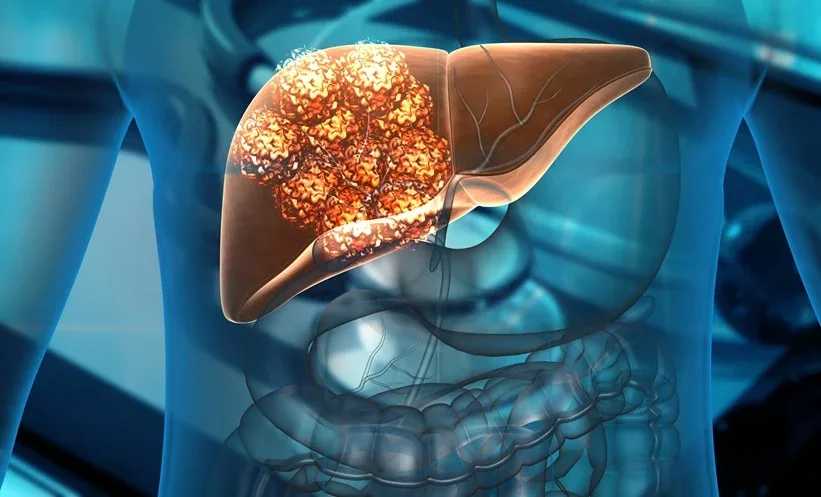
Machine learning models may provide more accurate HCC risk predictions than traditional methods.
Current risk scores often fail to capture the complexity of individual patient profiles.
Further research is needed to validate these models for clinical use.
Recent advancements in machine learning (ML) are showing promise in enhancing the risk prediction for hepatocellular carcinoma (HCC) among patients suffering from chronic hepatitis B (CHB). By integrating various data sources, including clinical, virological, treatment-related, and imaging information, ML could facilitate more personalized surveillance strategies tailored to individual patient needs.
Historically, the prediction of HCC risk has relied on conventional models that categorize patients broadly and utilize established risk scores. However, these traditional methods often overlook the dynamic nature of risk factors and fail to account for the complexities of individual patient profiles. As a result, patients with similar clinical characteristics may face significantly different risks of developing HCC.
Machine learning approaches offer a solution by identifying intricate patterns among multiple variables and adapting to changes in risk over time. This capability could lead to more personalized risk assessments throughout various stages of CHB management, including during antiviral treatments and after the clearance of hepatitis B surface antigens.
Despite the potential advantages, researchers have raised concerns regarding the methodologies of existing ML models. Many of these models are deemed to have a high risk of bias, which raises questions about the reliability and generalizability of their predictions. Furthermore, none of the evaluated ML models have undergone prospective clinical validation, which is crucial for their acceptance in clinical practice.
Looking ahead, researchers stress the importance of further studies focusing on dynamic prediction capabilities, integration of multimodal data, and external validation of these models. Establishing whether ML-based predictions can significantly enhance surveillance decisions and improve patient outcomes will be vital. While ML holds the potential to complement traditional risk scores, the necessity for robust prospective evidence remains before these models can be implemented in clinical settings.