Nanoparticle Allergy Vaccines: A New Frontier in Treatment
Recent research highlights the potential of nanoparticle-based vaccines to promote immune tolerance in allergic diseases.
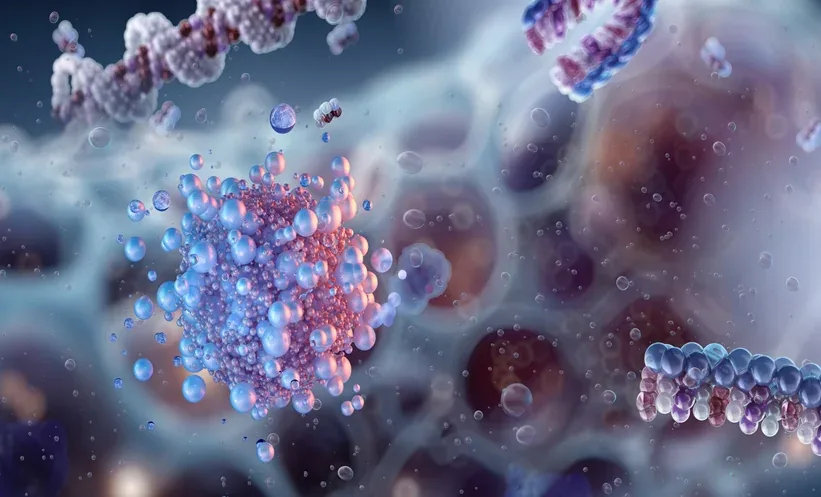
Nanoparticle vaccines aim to redirect immune responses to promote tolerance rather than just suppress symptoms.
Challenges include selecting appropriate allergens and ensuring safe delivery to target tissues.
Further research is needed to establish clinical effectiveness and safety of these innovative treatments.
Recent scientific reviews indicate that nanoparticle allergy vaccines may revolutionize the treatment of allergic diseases by fostering allergen-specific immune tolerance. Unlike traditional therapies that primarily alleviate symptoms, these innovative vaccines focus on correcting underlying immune dysfunction, which is crucial as the global prevalence of allergies continues to rise.
The review discusses how engineered nanoparticle delivery systems can redirect harmful immune responses while maintaining protective immunity. Current pharmacological treatments mainly target inflammation and allergic symptoms but fail to restore long-term tolerance to allergens. Allergic diseases are characterized by dysregulated immune responses, including the overactivation of T-helper 2 cells and immunoglobulin E production, necessitating new therapeutic strategies.
Nanoparticle vaccines offer a multifaceted approach, integrating various functions such as antigen protection and controlled release. Researchers have explored how different biomaterials and particle properties influence immune responses, emphasizing the importance of controlling the timing and context of antigen presentation. By doing so, these engineered nanoparticles may facilitate the development of allergen-specific tolerance, potentially transforming allergy treatment.
Despite their promise, the path to clinical application of nanoparticle-based vaccines is fraught with challenges. Selecting the right allergens is critical to avoid triggering hypersensitivity reactions. Additionally, ensuring that nanoparticles effectively reach targeted tissues and immune cells remains a significant hurdle. Manufacturing scalability and regulatory compliance further complicate the transition from research to clinical use.
The review underscores the necessity for ongoing research to identify nanoparticle formulations that can reliably induce long-lasting tolerance while ensuring safety. As the field evolves, nanoparticle allergy vaccines could shift the focus of treatment from merely controlling symptoms to reprogramming immune mechanisms, offering hope for more effective management of allergic diseases.