Daraxonrasib Combined with Chemotherapy Achieves 60.7% Response in PDAC
Recent clinical trial results reveal a significant response rate for daraxonrasib in combination with chemotherapy for pancreatic cancer.
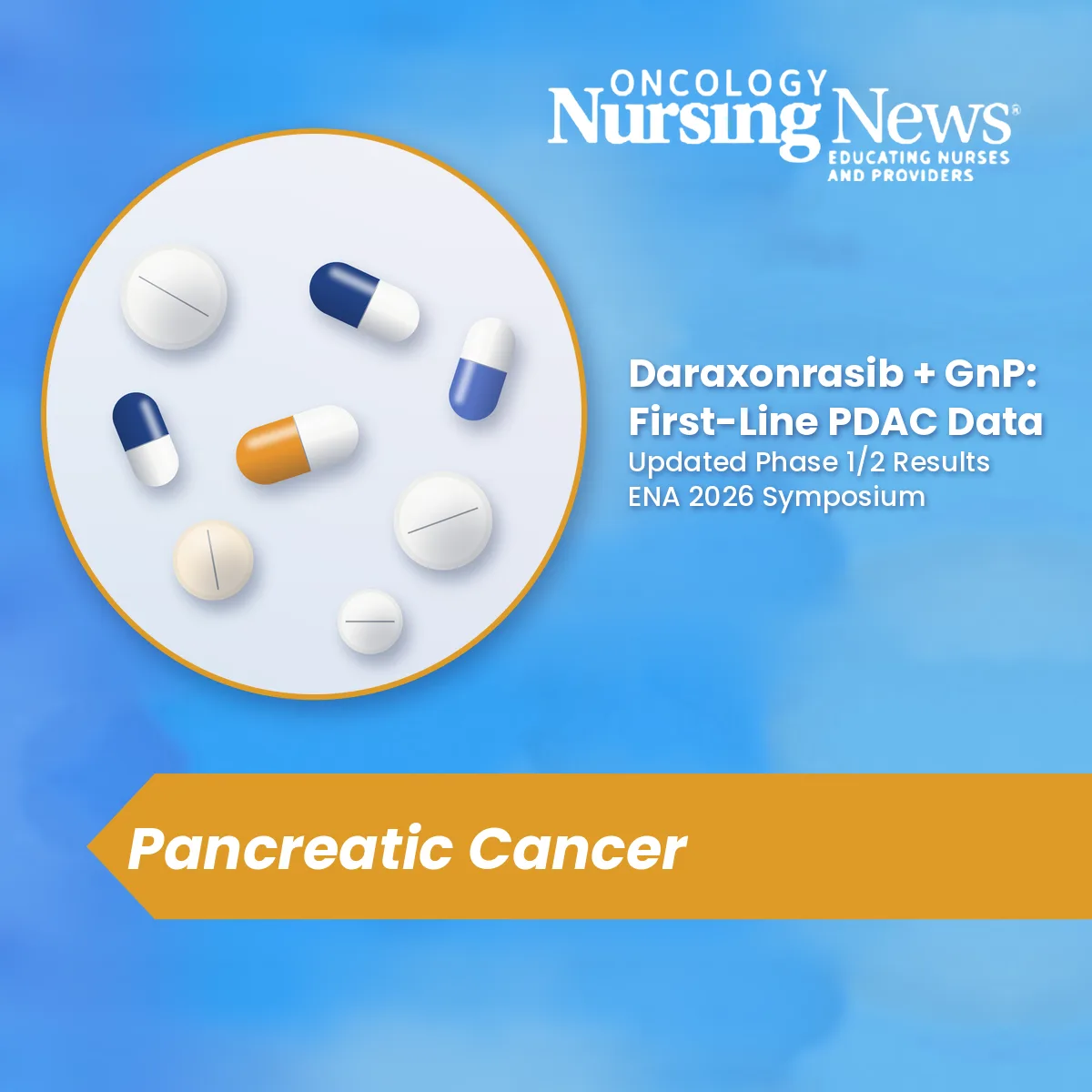
Daraxonrasib plus chemotherapy shows a 60.7% objective response rate in untreated metastatic PDAC patients.
The median progression-free survival is reported at 12.8 months, indicating promising efficacy.
Safety profiles align with known data, but treatment-related adverse events were common.
In a recent clinical trial, the combination of daraxonrasib and chemotherapy demonstrated a confirmed objective response rate of 60.7% among patients with previously untreated metastatic pancreatic adenocarcinoma (PDAC). This data was presented at the 2026 EORTC-NCI-AACR Symposium in Barcelona, showcasing the potential of this treatment regimen in a challenging cancer type.
The phase 1/2 RMC-GI-102 study involved 61 patients who received daraxonrasib, an oral RAS(ON) inhibitor, alongside gemcitabine and nab-paclitaxel. As of the latest data cutoff on September 28, 2026, the median follow-up duration was 18.3 months. Initial findings from this cohort indicated an objective response rate of 58% and a disease control rate of 90%, highlighting the treatment's effectiveness.
Updated results revealed that 8.2% of patients experienced complete responses, with a median duration of response lasting 11.1 months. Additionally, the median progression-free survival was recorded at 12.8 months, while the overall survival rate at 12 months was 76.6%. Dr. Wungki Park from Memorial Sloan Kettering Cancer Center emphasized the significance of these findings, noting the combination's ability to provide durable disease control and meaningful survival outcomes.
Despite the promising efficacy, safety concerns remain. While the safety profile was consistent with prior knowledge of daraxonrasib and chemotherapy, specific adverse event rates were not disclosed. Previous analyses indicated that all patients experienced treatment-related adverse events, with a notable percentage suffering from grade 3 or higher complications. Common issues included rash, diarrhea, and anemia, necessitating careful monitoring by healthcare providers.
Looking ahead, daraxonrasib is already FDA-approved for adults with metastatic PDAC who have undergone at least one prior systemic therapy. The ongoing phase 3 RASolute 303 trial aims to further evaluate daraxonrasib's efficacy in treatment-naive patients, potentially expanding treatment options for those facing this aggressive cancer. As the trial progresses, oncology professionals are encouraged to remain vigilant about managing side effects and ensuring adherence to treatment protocols.