WHO Director-General Calls for Peace Amid Ebola Crisis in DRC
Heavy fighting in northeastern DRC disrupts Ebola response efforts, prompting urgent calls for peace from WHO leadership.
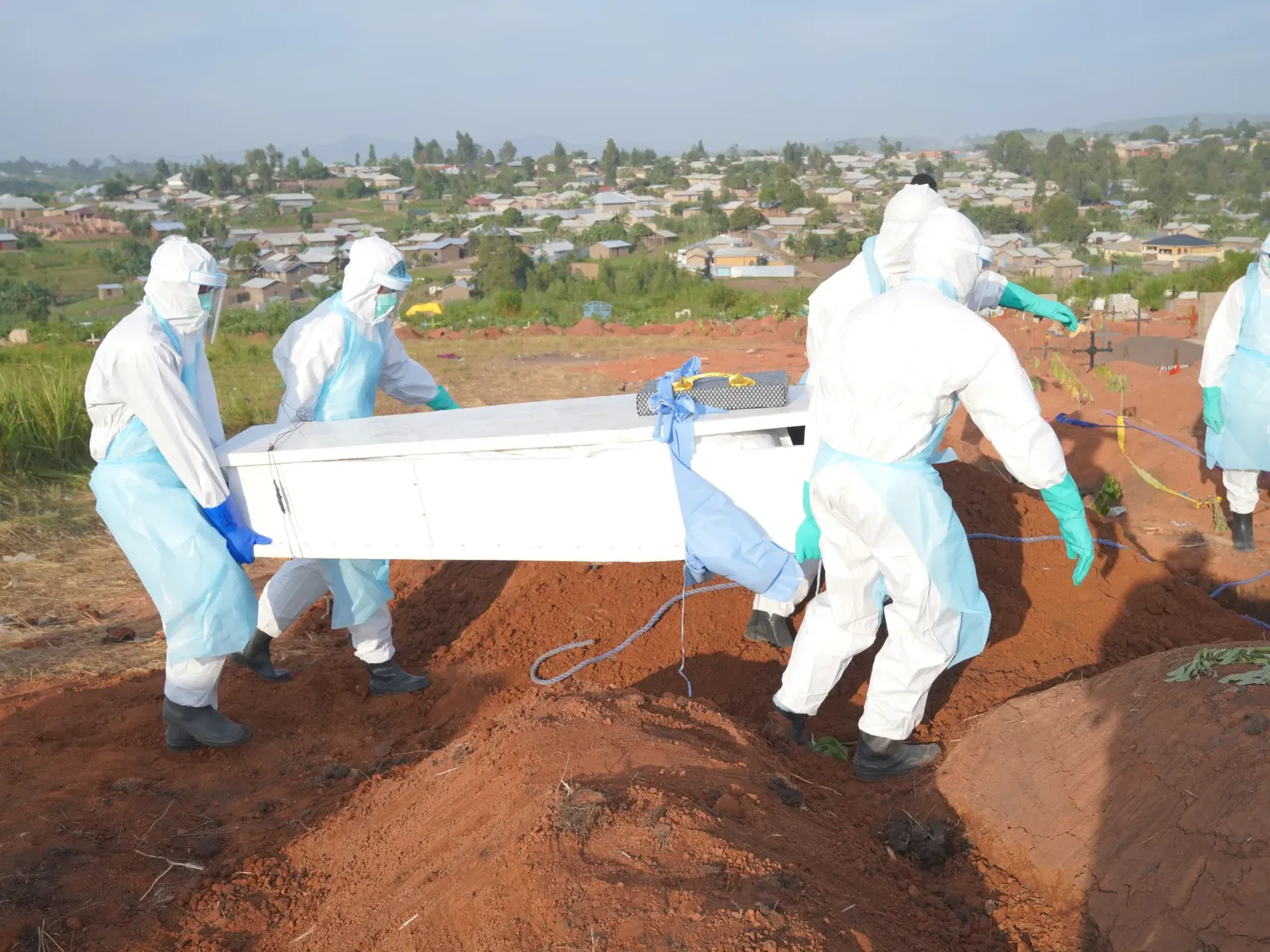
WHO reports over 5,600 deaths in the ongoing Ebola outbreak in DRC.
Fighting near a hospital in Ituri province has endangered health workers and patients.
The situation complicates efforts to control the Ebola virus amid ongoing violence.
The Director-General of the World Health Organization (WHO), Tedros Adhanom Ghebreyesus, has called for immediate peace in the northeastern region of the Democratic Republic of the Congo (DRC) as heavy fighting disrupts crucial Ebola response efforts. This conflict, occurring near a hospital in Ituri province, has forced health workers and aid personnel to take refuge in a maternity ward for over 24 hours, significantly hindering their ability to provide care to Ebola patients.
The ongoing violence in Ituri, where the Ebola outbreak initially emerged, poses a severe risk to both patients and medical staff. Tedros highlighted the dire situation, stating that the fighting has severely impacted hospital operations and the broader Ebola response, putting lives at stake. The WHO is actively working to ensure the safety of health workers and patients, emphasizing that peace is essential for effective medical intervention.
As of November 17, the WHO has reported a staggering total of 5,678 deaths from 11,613 confirmed Ebola cases in the DRC, marking it as the largest and deadliest outbreak in the nation’s history. While some regions have seen a slight decline in cases, the organization warns that high-level transmission persists, particularly in the Ituri and North Kivu provinces, which remain the hardest hit by the virus.
The Ebola virus spreads through contact with infected bodily fluids and has been exacerbated by ongoing violence in the region, which has persisted for over three decades. Earlier this month, armed groups, believed to be associated with ISIL, attacked villages in North Kivu, resulting in numerous fatalities and forcing many Ebola patients to flee. This violence complicates the already challenging logistics of delivering healthcare resources to affected areas.
Looking ahead, the WHO is prioritizing the safety of medical teams and the protection of healthcare facilities in conflict zones. Tedros reiterated that achieving peace is vital for controlling the Ebola outbreak and ensuring that healthcare workers can operate without fear. The international community is urged to support peacekeeping efforts to stabilize the region and facilitate a more effective response to the ongoing health crisis.