Cervical Cancer Screening Rates Remain Alarmingly Low in Northeast India
Despite the high incidence of cervical cancer, screening remains critically underutilized among women in Northeast India.
Over 1.2 lakh new cervical cancer cases are reported annually in India.
Only 2% of women aged 30-49 have undergone cervical cancer screening.
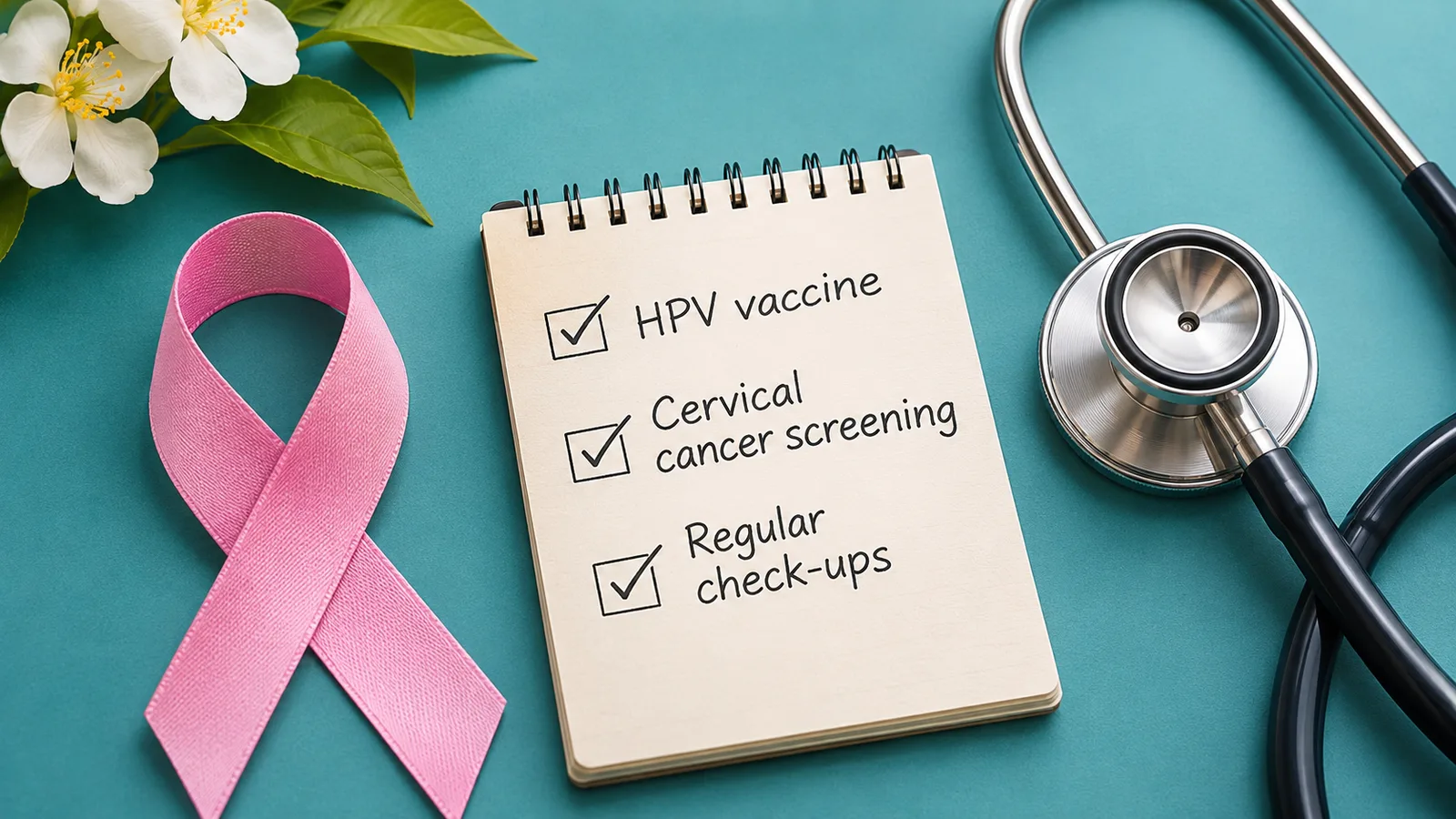
Free HPV vaccination for girls began in February 2026, but screening is still essential.
Cervical cancer poses a significant health threat in Northeast India, yet many women only seek medical attention when symptoms arise. This delay can have dire consequences, as early-stage cervical cancer often presents no noticeable symptoms. By the time women experience signs of the disease, it is frequently at an advanced stage, complicating treatment options.
India witnesses over 120,000 new cervical cancer cases each year, with nearly 80,000 fatalities, according to GLOBOCAN 2022. The Northeast region is particularly affected, with Papumpare district in Arunachal Pradesh reporting the highest incidence rate in the country at 27.7 per 100,000 women. Aizawl district in Mizoram follows closely behind, highlighting a pressing public health concern in these areas.
Despite the availability of effective screening methods, participation remains alarmingly low. The National Family Health Survey (NFHS-5) indicates that only about 2% of women aged 30 to 49 in India have ever been screened for cervical cancer. This statistic underscores a critical gap in preventive healthcare, as many women remain unaware of the importance of regular screenings, often believing that they need to experience symptoms before seeking a test.
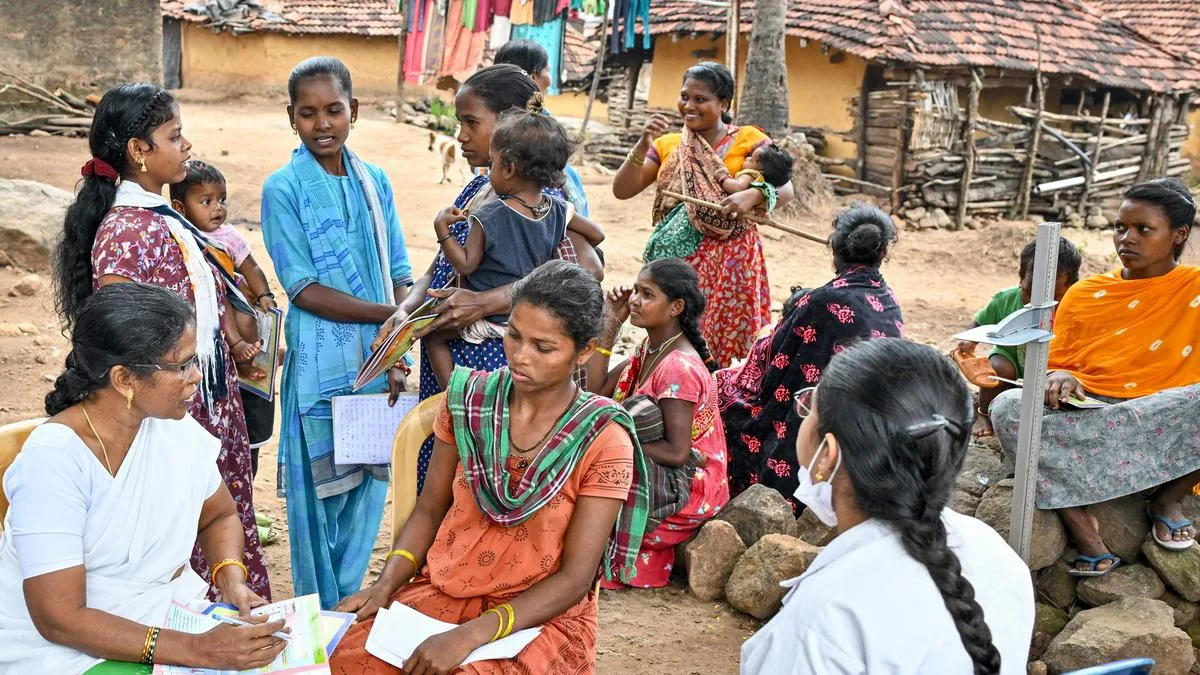
Factors contributing to this low screening rate include misinformation, cultural stigma, and logistical barriers. Many women are hesitant to undergo internal examinations due to fear or discomfort, while others face challenges in accessing healthcare facilities, especially in remote areas. Additionally, the prevalence of risk factors such as tobacco use and early pregnancies further complicates the situation, making awareness and education on cervical cancer prevention vital.
Looking ahead, the introduction of free HPV vaccinations for girls aged 14 and older in February 2026 marks a significant advancement in cervical cancer prevention. However, it is crucial to emphasize that vaccination does not replace the need for regular screenings. Community health workers play a pivotal role in educating women about the importance of screenings and facilitating access to healthcare services. Women aged 30 to 65 are encouraged to inquire about screening options at local health centers, ensuring they take proactive steps in safeguarding their health against cervical cancer.