Culinary Medicine: A New Approach to Nutrition Education
Culinary medicine integrates cooking skills with nutrition science to enhance patient health and dietary practices.

Culinary medicine combines nutrition science and cooking education for better health outcomes.
Medical training often lacks adequate nutrition education, leading to gaps in patient care.
Programs in culinary medicine have shown improvements in dietary quality and patient confidence.
Culinary medicine is emerging as a transformative approach that merges nutrition science with practical cooking skills to enhance patient health. This innovative field aims to bridge the gap between theoretical dietary recommendations and their practical application in everyday life. By teaching healthcare professionals how to provide actionable dietary advice, culinary medicine seeks to empower patients to make healthier food choices.
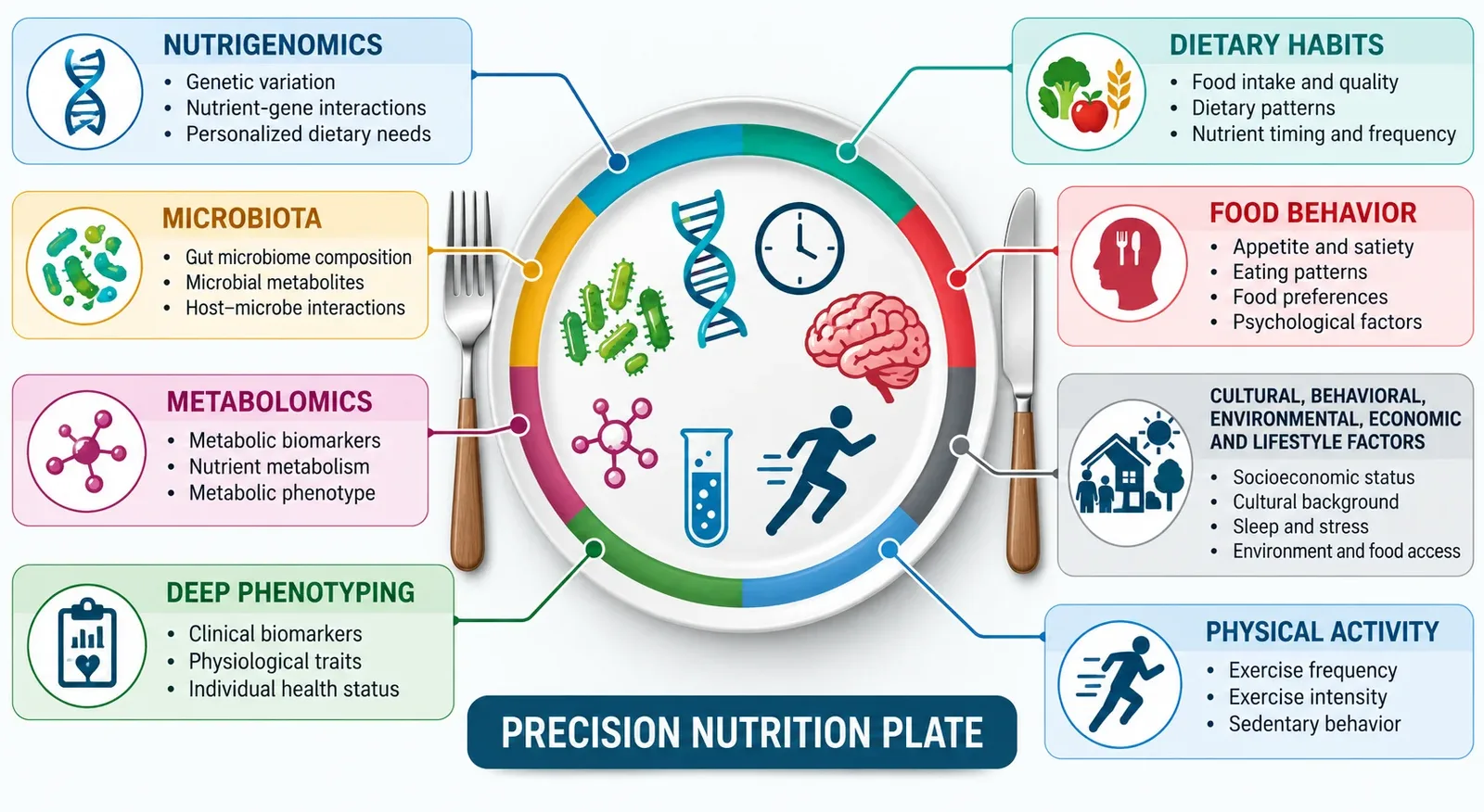
Historically, medical education has provided limited training in nutrition, often leaving healthcare providers ill-equipped to offer personalized dietary guidance. This shortfall is particularly concerning given that diet is a significant modifiable risk factor for chronic diseases. As a result, many patients receive generic advice that fails to consider their unique circumstances, such as socioeconomic barriers and food access issues. Culinary medicine addresses these challenges by incorporating hands-on cooking skills into nutritional counseling, thus making dietary recommendations more accessible and practical.
Research indicates that culinary medicine can lead to improved dietary habits among patients. Programs designed around this approach have been linked to increased consumption of fruits and vegetables and enhanced overall diet quality. For instance, a pilot study involving patients with type 2 diabetes showed promising results, with participants reporting higher confidence in cooking and greater intake of healthy foods. However, while the initial findings are encouraging, further research is necessary to establish a direct correlation between culinary education and significant health outcomes.
The implications of culinary medicine extend beyond individual health; they also impact public health at large. By fostering a more health-conscious society, culinary medicine can contribute to the prevention of diet-related diseases, thereby alleviating the burden on healthcare systems. Moreover, as culinary medicine programs gain traction in medical schools and healthcare settings, they hold the potential to reshape how future healthcare professionals approach nutrition and patient care.
Looking ahead, the future of culinary medicine appears promising, yet it faces challenges such as variability in program design and limited funding. To maximize its impact, stakeholders must work towards standardizing educational approaches and addressing logistical barriers. As culinary medicine continues to evolve, it may play a crucial role in transforming dietary practices and improving health outcomes across diverse populations.