Closure of Pediatric Brain Tumor Consortium Halts Key Trials for Childhood Cancer
The shutdown of a vital research consortium disrupts clinical trials for aggressive childhood brain cancers, leaving families in distress.
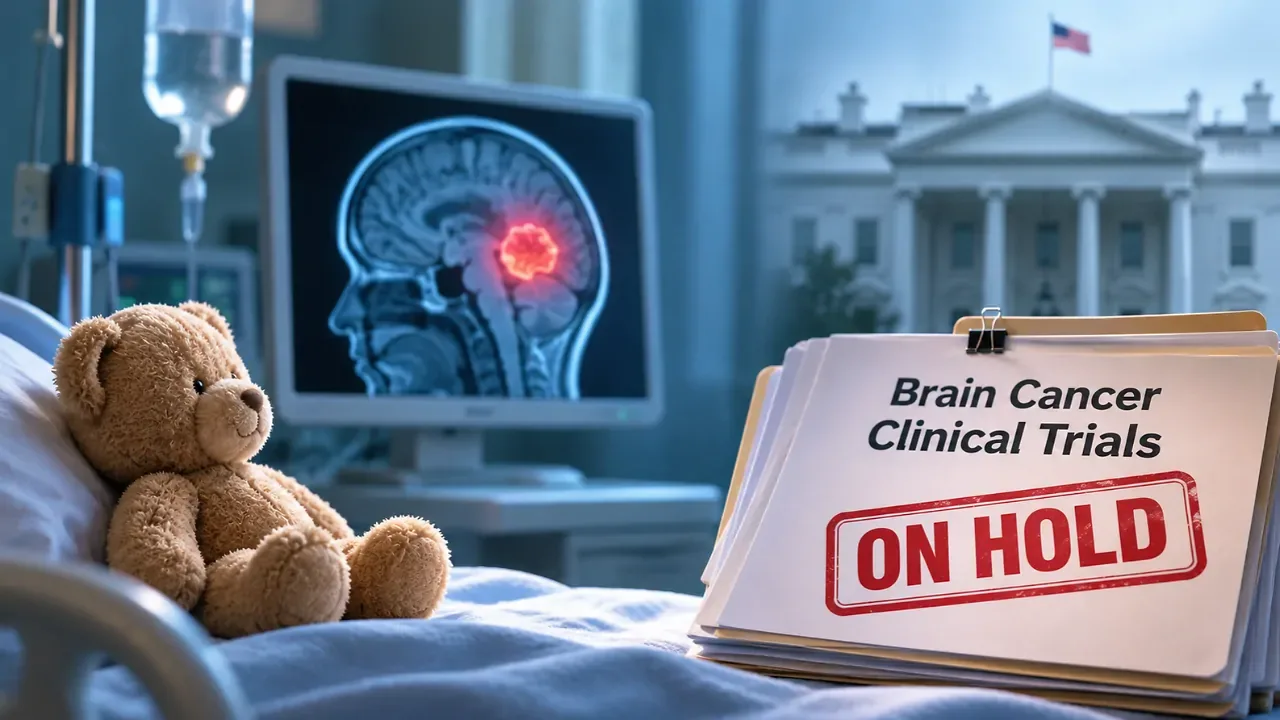
The Pediatric Brain Tumor Consortium, operational for 27 years, was shut down due to funding issues.
Eight clinical trials, including those for DIPG and ependymoma, have been halted, affecting treatment options.
The closure has significant implications for ongoing research and access to experimental therapies for affected children.
The Pediatric Brain Tumor Consortium (PBTC), a critical research body dedicated to studying aggressive childhood brain cancers, has been dissolved following the National Cancer Institute's (NCI) decision not to renew its funding. This closure, which took effect in September 2026, has disrupted ongoing clinical trials and left families searching for alternative treatment options in a state of uncertainty. The consortium had been operational for 27 years, collaborating with 16 leading children's hospitals and academic institutions across the United States to develop new therapies for conditions like diffuse intrinsic pontine glioma (DIPG) and ependymoma.
The NCI informed consortium leaders in August 2025 that it would cease its annual funding of approximately $4 million, leading to the immediate halt of eight ongoing clinical trials. These trials were crucial for investigating experimental treatments for rare and aggressive brain tumors in children. Researchers have expressed concern that the disruption not only affects current studies but also jeopardizes the infrastructure and resources necessary for future advancements in treating childhood brain cancers.
DIPG, one of the most aggressive forms of childhood brain cancer, primarily affects children aged four to ten. It develops in the pons, a critical area of the brainstem, making surgical removal impossible. Currently, treatment options are limited, with radiation therapy providing only temporary relief. The average survival rate post-diagnosis is a mere nine to twelve months, underscoring the urgent need for clinical trials exploring innovative therapies.
The closure of the PBTC has halted several important studies, including a Phase 1 trial investigating CAR-T cell therapy for ependymoma and another study aimed at using cerebrospinal fluid samples to gather genetic information without invasive procedures. Researchers were also exploring other experimental treatments, such as cancer vaccines and brain stimulation devices. While some paused trials may resume in late 2026 or early 2027, the interruption has created a significant gap for families previously engaged in these studies.
The ramifications of the consortium's closure extend beyond immediate clinical trials. St. Jude Children's Research Hospital has archived 27 years of research data involving over 2,000 children, along with hundreds of biological samples. Experts warn that losing the consortium's infrastructure and centralized data access could hinder future research efforts. The NCI justified its decision by stating that consolidating data into a larger network would enhance efficiency, but many researchers argue that the specialized nature of pediatric brain cancer research necessitates dedicated resources. A bipartisan group of lawmakers has urged the government to reconsider this decision, emphasizing the dire consequences for families facing aggressive childhood cancers.