Biological Ageing Proteomics Enhances Liver Disease Risk Assessment
A recent study indicates that proteomics related to biological ageing significantly improves the prediction of chronic liver diseases.
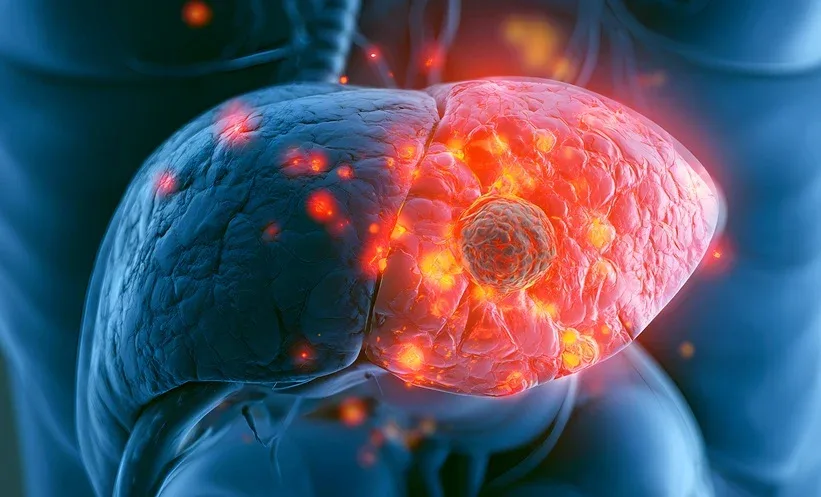
Biological ageing-related plasma proteomics offers better predictive value for liver diseases than genetic factors alone.
The study analyzed data from over 325,000 participants aged 40-69 from the UK Biobank.
Findings suggest that early identification of high-risk individuals can be achieved through proteomic profiling.
A recent prospective study has revealed that biological ageing-related plasma proteomics can significantly enhance the prediction of chronic liver diseases, including metabolic dysfunction-associated steatotic liver disease (MASLD) and cirrhosis. This research indicates that information derived from protein levels provides greater predictive value compared to genetic risk factors alone, particularly for early risk stratification.
The study utilized data collected from the UK Biobank, involving 325,580 participants aged between 40 and 69 years, recruited between 2006 and 2010. All participants had complete data and did not have liver disease at the baseline. Researchers assessed the incidence of liver disease, including MASLD, cirrhosis, liver cancer, and liver-specific mortality, by calculating biological age and phenotypic age based on blood biomarkers and lymphocyte percentages.
Participants were categorized into four groups based on biological age acceleration (BioAgeAccel) and phenotypic age acceleration (PhenoAgeAccel). The findings indicated that individuals with liver disease exhibited higher average accelerations in both measures compared to those without liver disease. Specifically, BioAgeAccel and PhenoAgeAccel were found to be 1.14 and 1.79 years higher, respectively, in those with liver disease. Both measures were independently associated with increased risks of various liver diseases and related mortality, with a notable impact of PhenoAgeAccel on severe outcomes such as cirrhosis and liver cancer.
The study identified 361 proteins linked to MASLD and 936 proteins associated with cirrhosis. Proteins related to MASLD were primarily involved in processes such as leukocyte migration and cell proliferation regulation, while those linked to cirrhosis showed broader immune activation signatures. These findings underscore the potential of biological ageing as a critical factor in assessing chronic liver disease risk.
In conclusion, the researchers advocate for the use of ageing-proteomic profiling to identify individuals at heightened risk for chronic liver diseases before clinical symptoms manifest. They suggest that further research involving more diverse populations is necessary to validate the broader applicability of these findings.