World Sight Day 2023: Enhancing Retinal Screening Access in India
On World Sight Day, experts emphasize the need for improved retinal screening for diabetes patients in India through community-based care and technology.
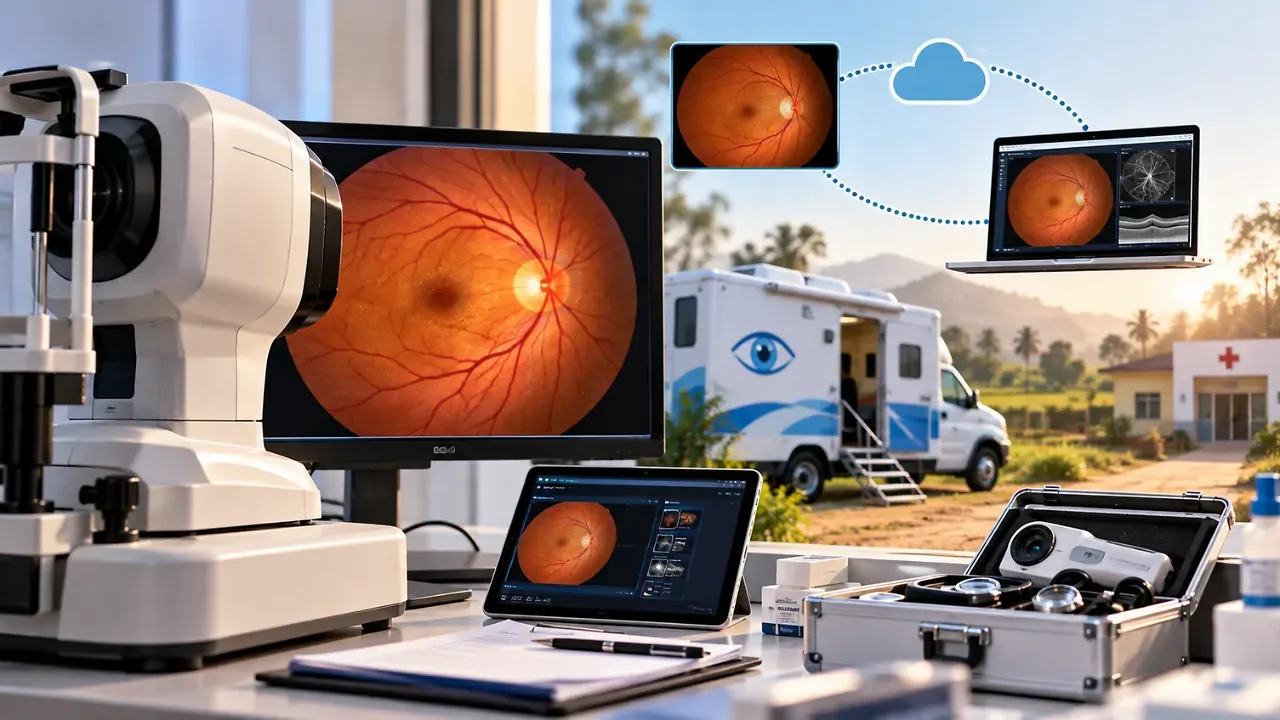
India has over 101 million diabetes patients, many unaware of vision risks.
Community-based screening can help detect retinal issues earlier.
Modern technology, including AI, can enhance screening access and efficiency.
On World Sight Day 2023, health experts are calling attention to the critical need for enhanced retinal screening services for the millions of diabetes patients in India. With an estimated 101 million individuals living with diabetes, many face challenges in accessing specialized eye care, particularly in rural and suburban areas. The lack of timely retinal screenings can lead to preventable vision loss, making awareness and accessibility vital for effective diabetes management.
Historically, diabetes has been linked to various health complications, including vision impairment. Alarmingly, 85% of diabetes patients are unaware that their condition can affect their eyesight, and many have never undergone a retinal examination. A study revealed that 45% of patients with diabetic retinopathy had already experienced vision loss before receiving a diagnosis. This underscores the importance of proactive screening measures that can identify issues before they escalate.
Modern diagnostic technologies offer promising solutions to improve access to retinal screenings. Innovations such as artificial intelligence-enabled retinal imaging allow for rapid analysis of retinal scans in non-specialist settings. This technology can detect subtle changes that may necessitate further clinical evaluation. Additionally, Optical Coherence Tomography (OCT) provides detailed imaging that aids in comprehensive assessments, ensuring that patients receive timely referrals to specialists when needed.
Community-based models of care are essential in bridging the gap between patients and specialists. By establishing diagnostic hubs in local health centers and diabetes clinics, healthcare providers can facilitate earlier detection of retinal issues. Trained local workers can identify high-risk patients and direct them to specialists, thereby preventing minor issues from developing into serious vision loss. This approach not only enhances convenience but also addresses barriers related to geography and access.
Looking ahead, the integration of community-based screening with advanced imaging technologies can significantly improve eye care in India. The goal is not to replace specialists but to ensure that patients receive timely referrals and interventions. As India continues to enhance its eye health strategies, making screening more accessible will be crucial for early detection and protection of vision among diabetes patients.