Apollo Hospitals Launches AI-Driven Stroke Care Initiative
On World Stroke Day, Apollo Hospitals unveils its AI-assisted stroke care program aimed at enhancing patient recovery.
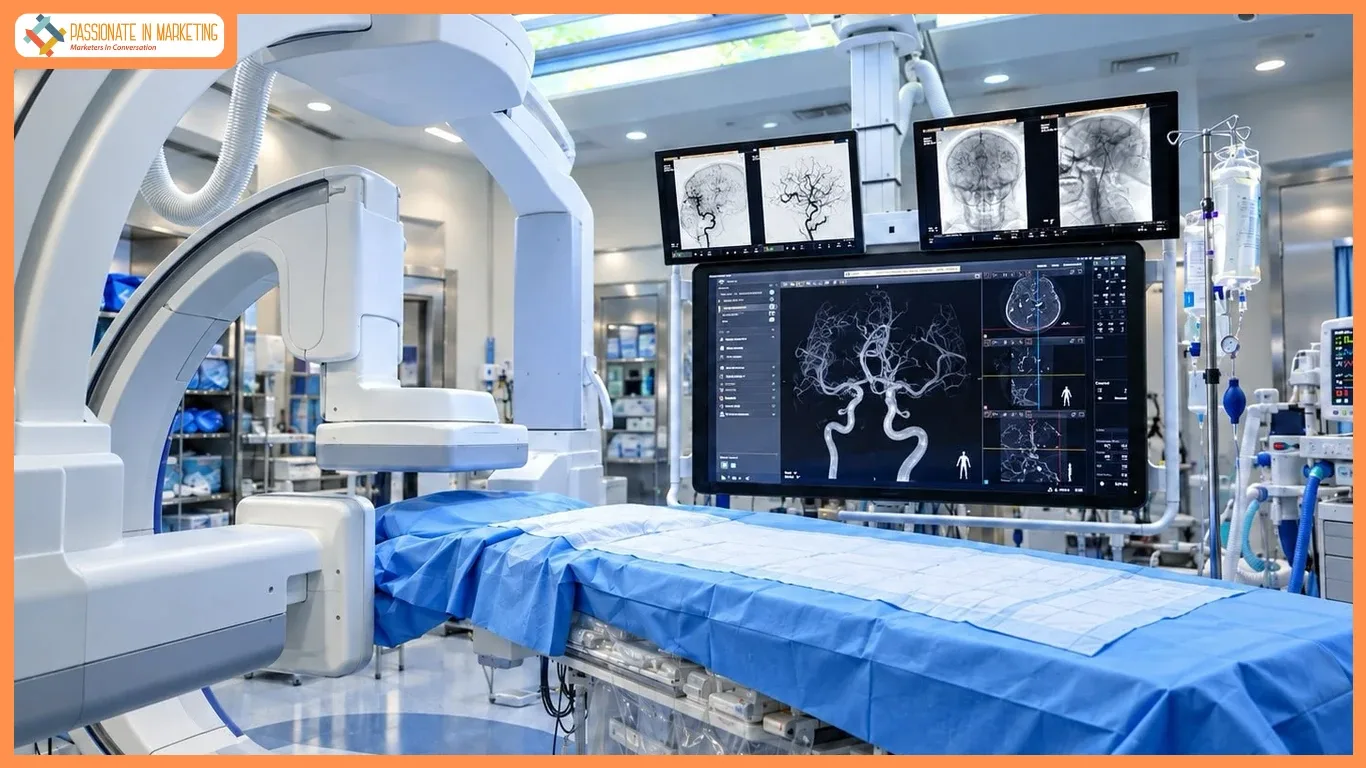
Apollo Hospitals' AI-assisted program integrates emergency care and rehabilitation.
The initiative includes advanced monitoring and robotic rehabilitation technologies.
Public urged to recognize stroke symptoms and seek immediate medical help.
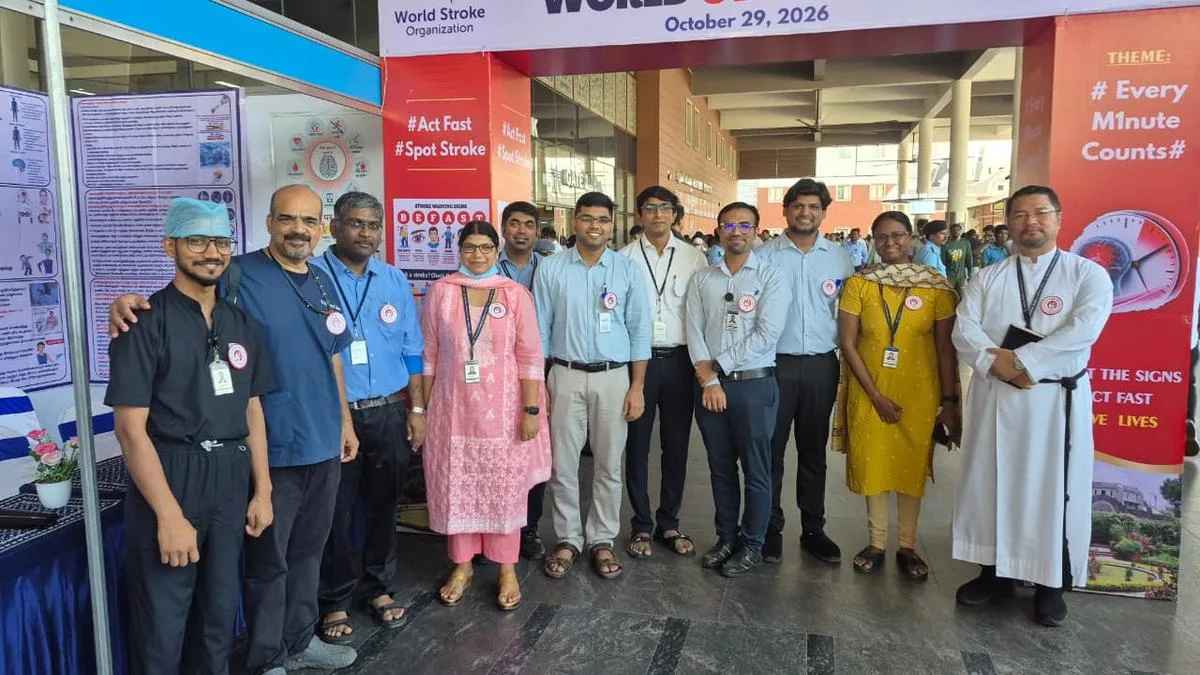
On October 29, 2026, Apollo Hospitals in Hyderabad marked World Stroke Day by introducing its innovative AI-assisted stroke care program. This initiative emphasizes the critical need for prompt diagnosis, emergency interventions, and coordinated treatment strategies to enhance patient recovery outcomes.
Dr. Suresh Girgani, a Consultant Neurointerventional Radiologist at Apollo Hospitals, explained that the Apollo 360° Stroke Care program offers a comprehensive approach, integrating emergency assessments, advanced neuro-intensive care, rehabilitation, and home-based follow-up services. This connected pathway is designed to facilitate a smoother recovery for stroke patients.
The program is equipped with advanced neuro-ICU monitoring and MRI-integrated operating theatre capabilities, as noted by Consultant Neurologist Dr. Sudhir Kumar. These features support specialized treatment during the acute phase of stroke. Patients will also benefit from robotic rehabilitation and structured rehabilitation programs, alongside ongoing physiotherapy support.
Dr. C Rajesh Reddy, a Senior Consultant Neurologist, highlighted the importance of continuity in care, facilitated through connected-care wearables, home nursing support, and remote monitoring. The hospital stresses the significance of early recognition of stroke symptoms and the necessity of immediate medical attention, as timely intervention can greatly affect recovery potential.
In addition, Dr. Sandeep Nayani emphasized that the emergency services include 5G-connected ambulances and rapid stroke assessments, providing clot-busting treatments through thrombolysis and mechanical thrombectomy for eligible patients. The hospital also features neuro-intervention facilities supported by a biplane catheterization laboratory. Apollo Hospitals' neurologists collectively urged the public to treat strokes as medical emergencies and to utilize their stroke emergency helpline, 1066, for immediate assistance.