12-Year Study Links Binge-Watching to Kidney Health Decline
A new Australian study reveals that excessive TV viewing can negatively impact kidney function, especially in those with diabetes.
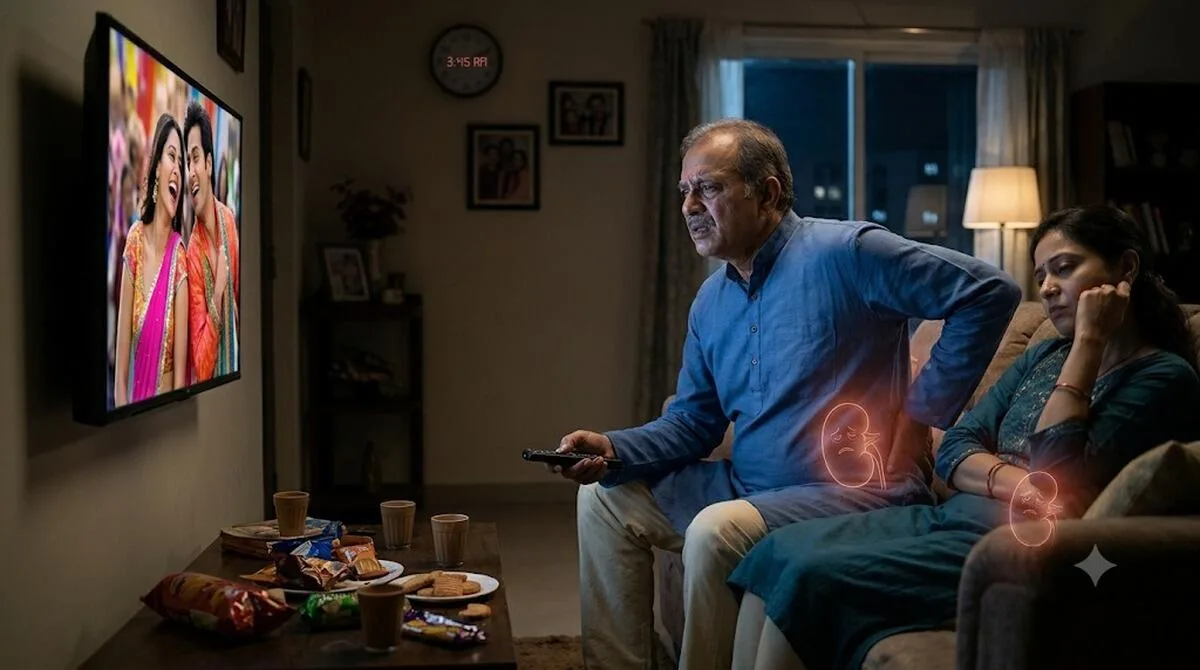
Prolonged TV watching is linked to faster kidney function decline.
The study involved over 6,200 participants over 12 years.
Women showed stronger correlations between inactivity and kidney health.
A comprehensive study conducted over 12 years in Australia has revealed alarming connections between binge-watching television and kidney health deterioration. Published in the journal Scientific Reports, the research highlights that increased hours spent in front of the TV correlate with a more rapid decline in kidney filtration rates, particularly affecting adults diagnosed with type 2 diabetes.
The study analyzed data from a substantial cohort of 6,220 participants, focusing on their television viewing habits and kidney function over the years. Researchers discovered that prolonged periods of sitting and a lack of physical activity exacerbate existing metabolic risks, which is particularly concerning for individuals already facing health challenges such as diabetes.
Key findings indicate that the adverse effects of sedentary behavior are more pronounced in women compared to men. This suggests that gender-specific factors may play a role in how inactivity impacts kidney health. The researchers emphasized the importance of maintaining an active lifestyle to mitigate these risks, particularly for those with pre-existing conditions.
The implications of this study extend beyond individual health, raising awareness about the potential public health crisis linked to sedentary lifestyles. With the rise of streaming services and binge-watching culture, there is a growing need for initiatives that encourage physical activity and reduce screen time, especially among vulnerable populations.
Looking ahead, healthcare professionals are urged to consider these findings in their patient care strategies. Future research may explore interventions aimed at promoting movement and reducing prolonged sitting, particularly in at-risk groups. As awareness grows, it is crucial for individuals to recognize the importance of balancing leisure activities with physical health to protect kidney function and overall well-being.