Tata Sons Chairman Affirms Commitment to Semiconductor Production Amid Internal Disputes
Natarajan Chandrasekaran emphasizes Tata's focus on semiconductor manufacturing despite ongoing boardroom conflicts.

Tata Sons is investing $120 billion in semiconductor production as part of its growth strategy.
Internal disagreements within Tata Trusts have emerged over capital allocation and leadership decisions.
Chandrasekaran remains committed to fulfilling India's high-tech manufacturing ambitions.
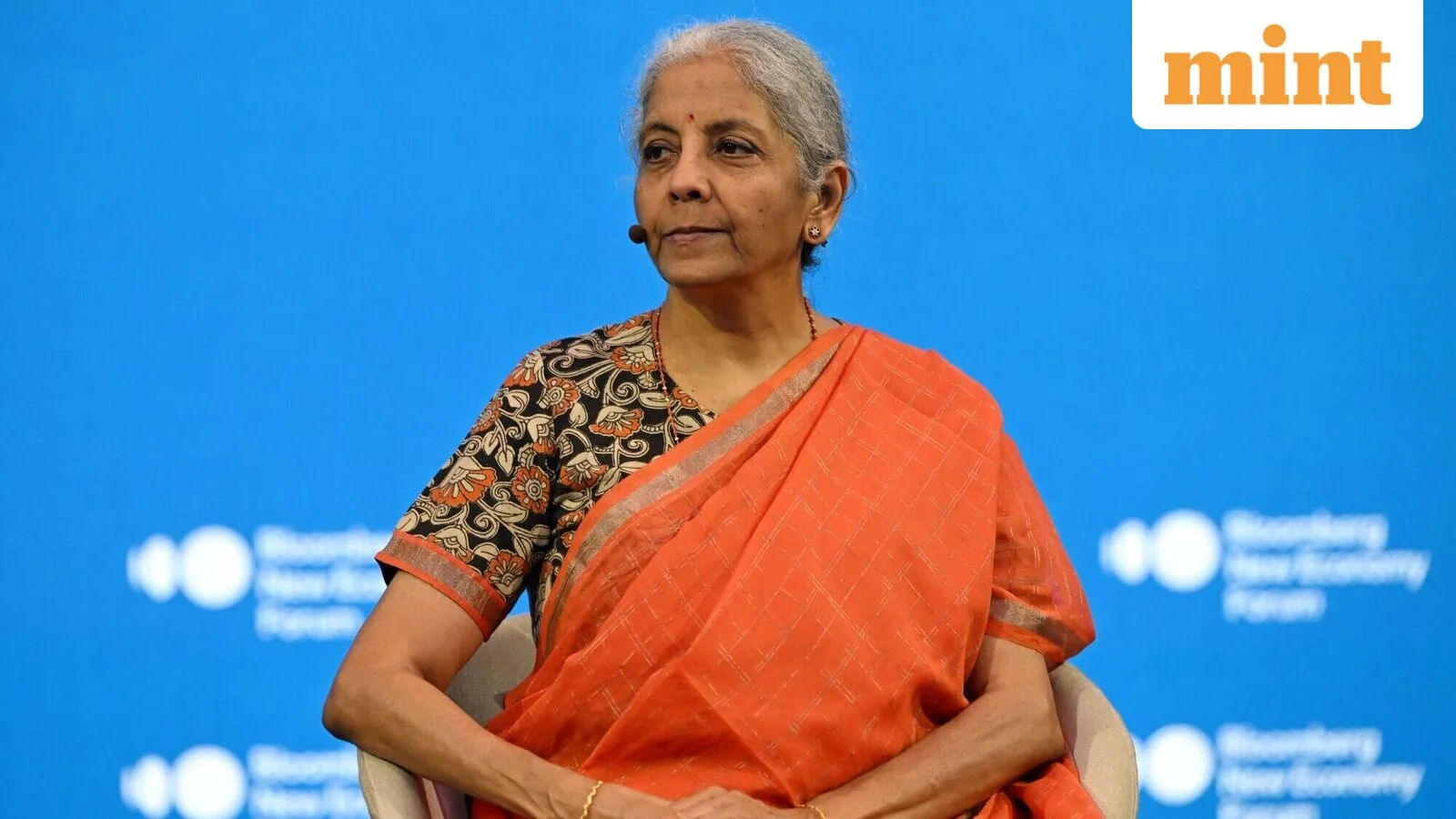
Natarajan Chandrasekaran, the chairman of Tata Sons, announced on Tuesday that the conglomerate will persist in producing essential goods, including semiconductor chips, despite potential delays. Speaking at the 2026 Bloomberg New Economy Forum in New Delhi, he emphasized the company’s unwavering direction and capability to meet global and domestic demands, even amid ongoing internal disputes.
The Tata Group, which boasts nearly 160 years of history and reported revenues of $185 billion in the last fiscal year, is making a significant investment of $120 billion to establish India's first semiconductor manufacturing unit. This initiative is a crucial part of the country's ambition to emerge as a leader in high-tech manufacturing, highlighting the importance of semiconductor chips in modern production.
Chandrasekaran's remarks come at a time of heightened tension within Tata Trusts, which holds a 66% stake in Tata Sons. Noel Tata, chairman of Tata Trusts, has publicly disagreed with Chandrasekaran regarding decisions on capital allocation and the pace of returns to shareholders. The conflict intensified following Chandrasekaran's reappointment as chairman, a move that Noel Tata opposed, signaling a significant rift in leadership.
In addition to the internal strife, Tata Electronics is currently working on the country’s first large-scale chip production facility, which has encountered various operational challenges. Despite these hurdles, the conglomerate has reported maintaining its profit margins and achieving double-digit growth, indicating resilience in its business operations. However, the group has faced other setbacks, including a major incident involving Air India and a cyberattack that disrupted its supply chain.
Looking ahead, Chandrasekaran has indicated that he plans to step down when his term concludes in February next year, citing a lack of unanimous board support. This decision follows a series of disagreements that began earlier in the year when Noel Tata raised concerns about Chandrasekaran's leadership. The board's recent decision to reappoint him for another five years has sparked legal challenges from Tata Trusts, setting the stage for a potential legal confrontation over the future governance of the Tata Group.