RBI's New Measures Lead to 1.41% Rupee Appreciation in Two Days
The Indian rupee has gained 1.41% against the dollar following the Reserve Bank of India's recent interventions, raising questions about future currency management.

The rupee appreciated from 96.61 to 95.24 in two days after RBI's measures.
RBI's interventions include a direct dollar supply window and tighter regulations on forex derivatives.
Experts caution that while the measures stabilize the rupee short-term, long-term pressures remain due to global economic factors.
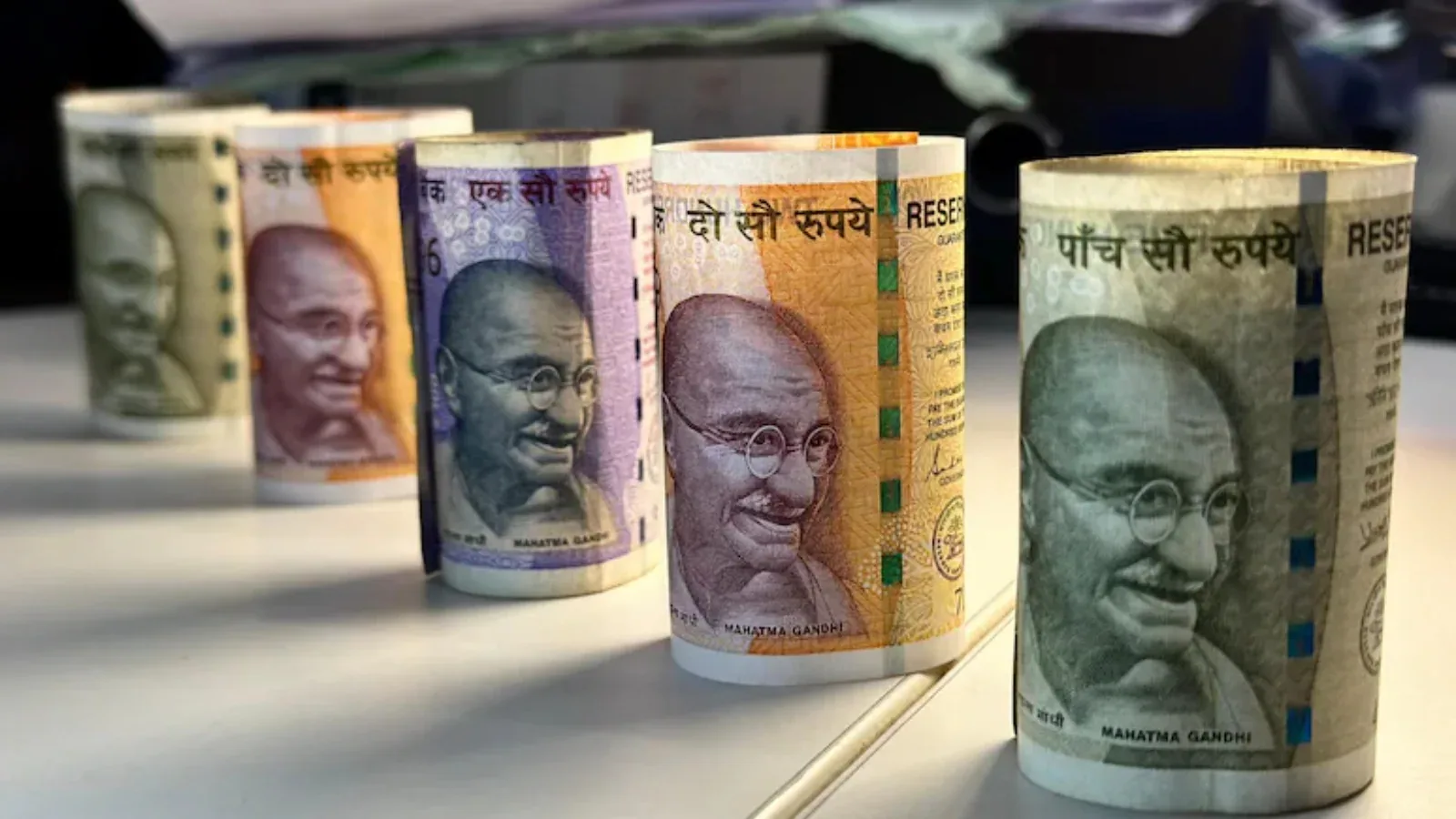
The Indian rupee has shown a notable recovery, appreciating by 1.41% against the US dollar in just two days, following significant interventions by the Reserve Bank of India (RBI). As of the latest reports, the rupee closed at 95.24, up from 96.61, marking a critical moment in its ongoing struggle against depreciation.
Historically, the rupee has faced challenges, with its value declining significantly over several quarters, even threatening to breach the 100 mark against the dollar. In response, the RBI has taken proactive steps to bolster foreign exchange reserves, utilizing tools such as the FCNR(B) deposit scheme to attract foreign capital. However, persistent capital outflows and rising oil prices have continued to exert pressure on the currency.
Last week, the RBI introduced measures described as a 'bazooka' to combat the rupee's decline. These included opening a direct dollar-supply channel for state-run oil marketing companies, increasing the cash reserve ratio to 99%, and tightening regulations on forex derivatives. According to economists, these actions aim to stabilize the currency and curb speculative trading, which has contributed to its volatility.
The implications of these measures are significant for the Indian economy, particularly as the rupee's value impacts import costs and inflation. Experts warn that while the RBI's actions may provide temporary relief, the underlying pressures from global economic conditions, such as rising US interest rates and high energy prices, remain a concern. The RBI's stance of not targeting a specific exchange rate but rather allowing market forces to dictate the rupee's value has sparked debate among economists regarding the best approach to currency management.
Looking ahead, the RBI faces the challenge of maintaining stability in the face of ongoing global economic uncertainties. As the central bank navigates these complexities, the focus will likely remain on ensuring that the rupee's value aligns with economic fundamentals while managing speculative pressures. The effectiveness of the recent measures will be closely monitored as the RBI seeks to balance short-term stabilization with long-term currency health.