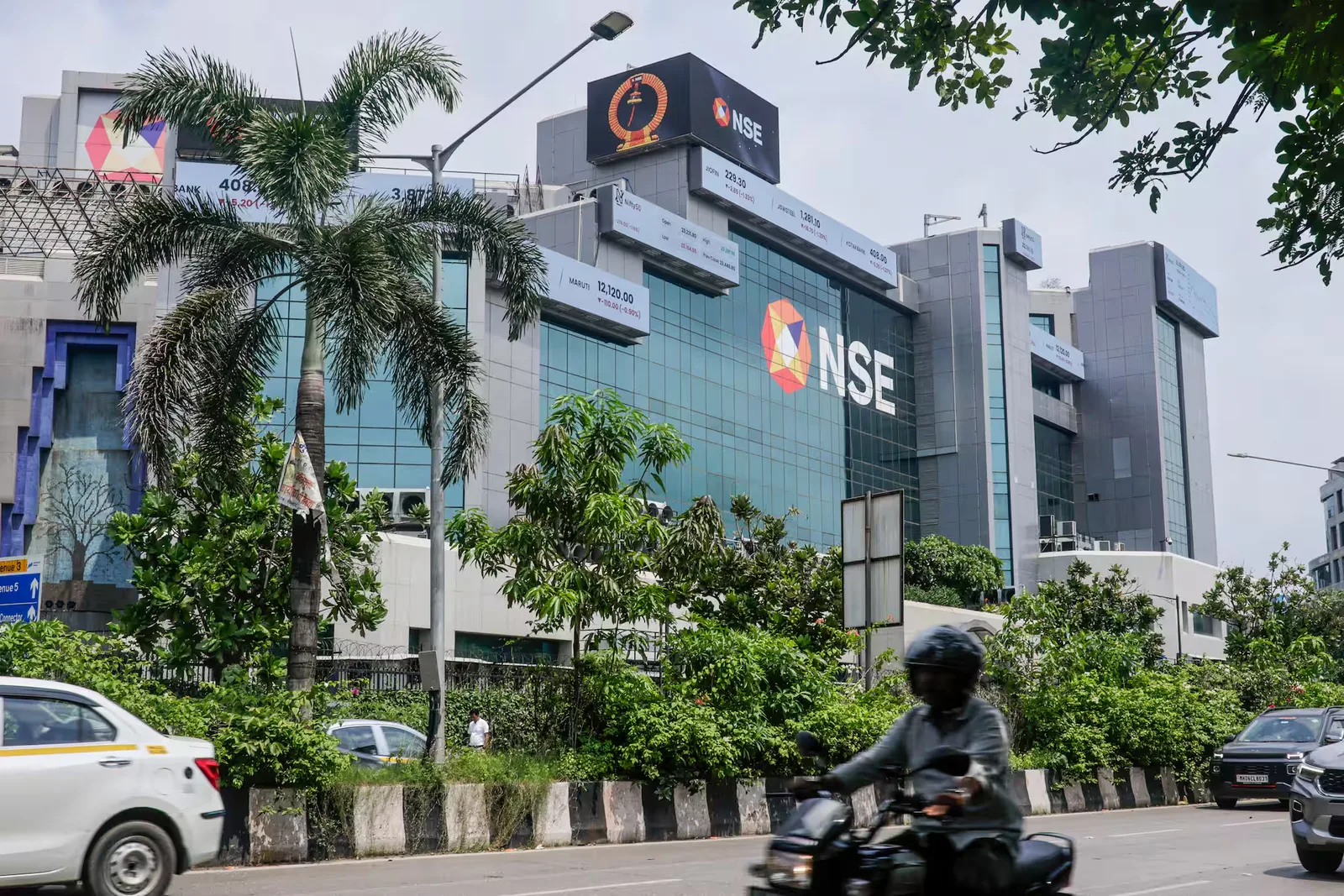
Korean Kospi Index Plummets 99% from June Peak Amid AI Bust
The Kospi index, after a record surge, faces a dramatic downturn as foreign investments flee, raising concerns for the future.
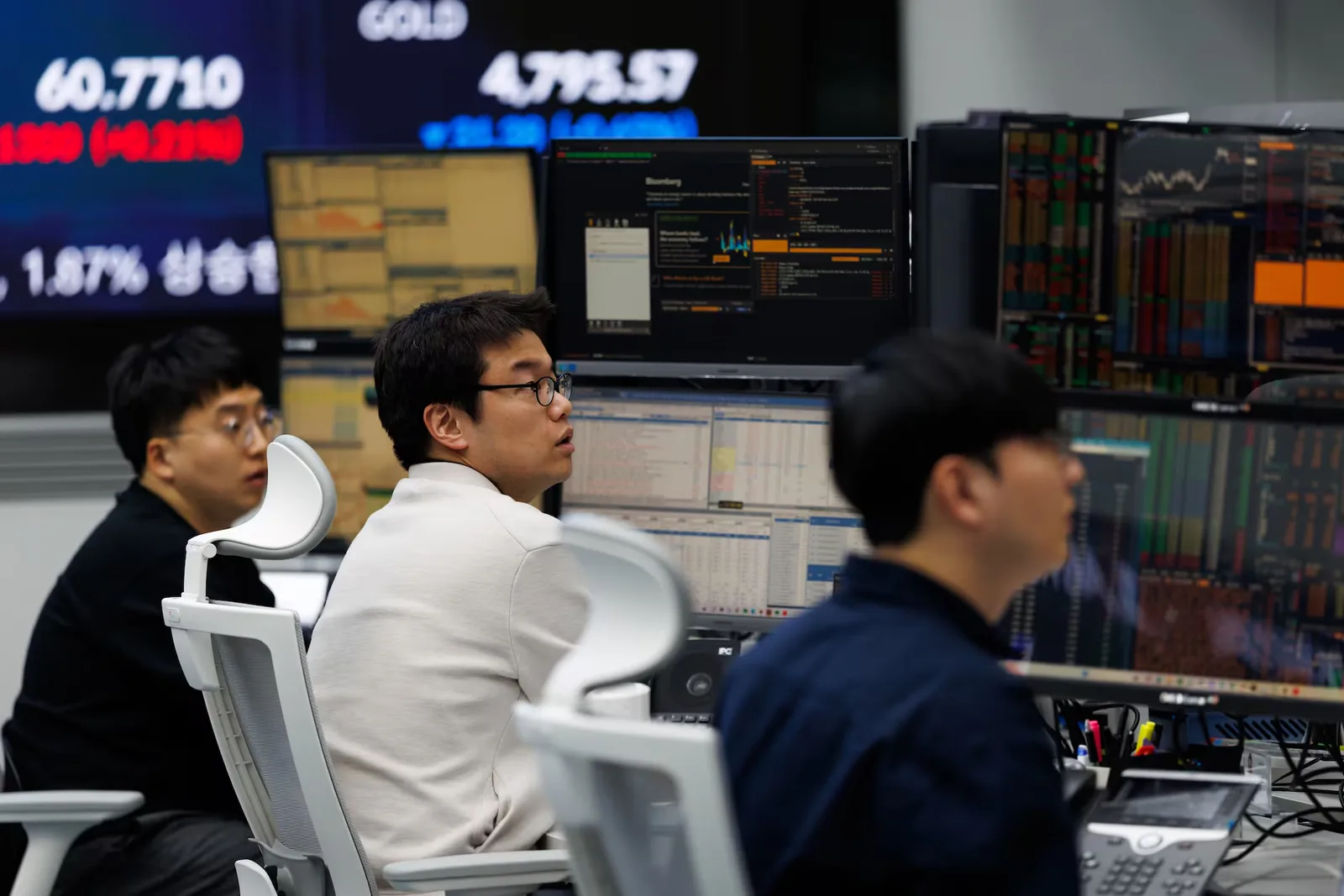
Kospi index fell from a 116% gain to just 17% in 2026.
A record $154 billion in foreign funds exited the market.
Investors are cautious as earnings estimates for chipmakers rise amidst volatility.
The South Korean stock market has experienced a dramatic shift in 2026, with the Kospi index plummeting from a remarkable 116% gain in June to a mere 17% as of now. This downturn comes as the global AI trade, which had initially propelled the index, begins to unravel, leading to a significant loss of investor confidence.
Historically, the Kospi's rapid rise and subsequent fall is reminiscent of other major market fluctuations, such as the 2015 crash of the Shanghai Composite Index and the dot-com bubble burst in 2000. The current situation has been exacerbated by a staggering $154 billion in foreign capital exiting the South Korean market, leading to a bleak outlook for 2027. Analysts are drawing parallels between the current volatility and previous market crises, indicating a growing sense of unease among investors.
Despite the Kospi's decline, projections for one-year forward earnings of its constituent companies have surged nearly 32% since late June. This suggests that while the index is struggling, the underlying companies, particularly in the semiconductor sector, may still have potential for growth. However, whether these firms can meet the optimistic earnings forecasts will be crucial for the index's recovery.
The implications of this market volatility extend beyond just the Kospi; it reflects broader concerns about the sustainability of the AI-driven growth narrative. Many investors are now wary, with some opting to step back from the market entirely. The concentration of gains among a few key players, like Samsung Electronics and SK Hynix, has raised alarms about the risks of leveraging and crowded positions in the market.
Looking ahead, market experts believe that a more selective approach will be necessary, focusing on companies that can deliver solid earnings and shareholder returns. Some investors are cautiously re-entering the market, while others are shifting their focus to stocks less tied to the AI narrative. The ongoing volatility suggests that the Kospi will remain sensitive to global chip cycles and AI spending trends, keeping investors on edge as they navigate this turbulent landscape.