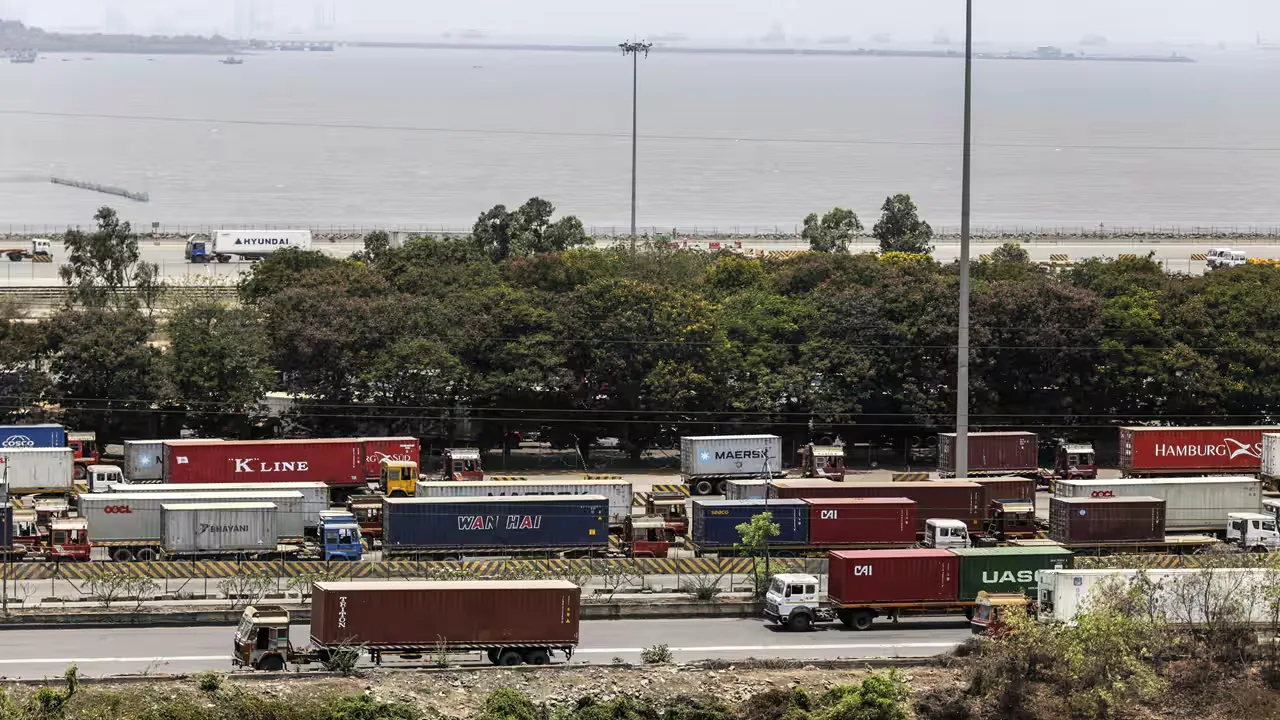
India's Stock Market Surges 11% in November Amid Caution
Despite a significant rebound in stock prices, traders are exercising caution with increased options trading.
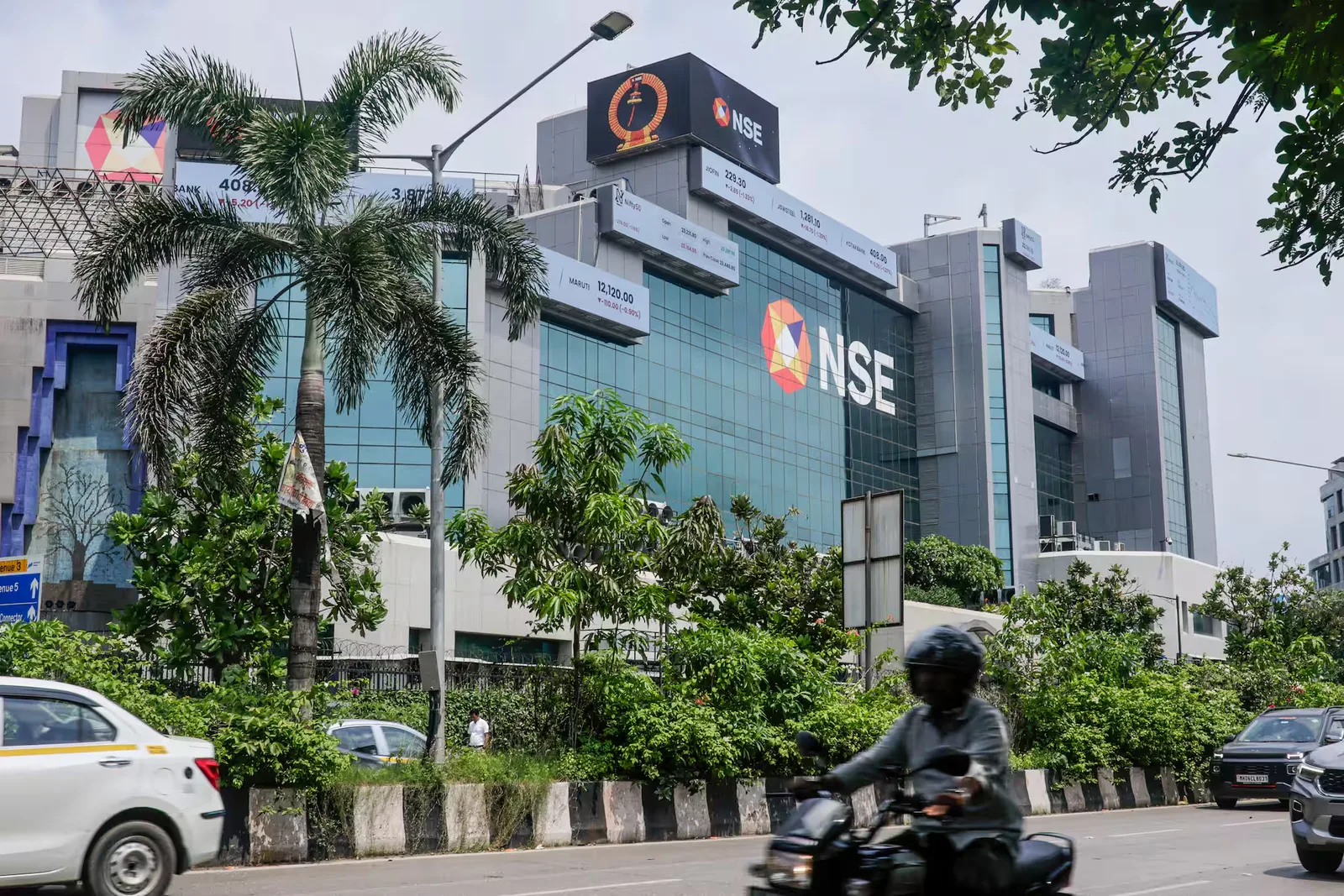
Indian shares rose over 11% in November, marking a global surge.
Options trading has increased significantly, indicating hedging against potential market reversals.
Revised auction rules set to take effect on December 7 may further stabilize the market.
India's stock market has experienced a remarkable resurgence in November, with shares climbing more than 11%, the largest increase among major global equity indices. This surge comes after a prolonged period of underperformance, characterized by foreign capital outflows and disruptions caused by a newly implemented closing auction system. However, the optimism in the market is tempered by a notable rise in options trading, suggesting that traders are hedging against potential downturns.
The recent influx of investors into the Indian market is partly driven by a desire to escape the volatility seen in other markets, particularly those affected by AI-related trading. Data from the National Stock Exchange indicates that traders have spent significantly on derivatives this month, marking the highest activity since March. Concurrently, the benchmark NSE Nifty 50 Index and the India NSE Volatility Index have shown a correlated movement, a trend not observed since December 2023, indicating heightened demand for options as investors seek protection against market fluctuations.
According to Foram Chheda, founder of ChartAnalytics, the sudden reversal in foreign institutional investor flows has led to a sharp short squeeze, with retail investors contributing to a near-parabolic rally in the Nifty index. This dual approach of pursuing upside opportunities while simultaneously securing downside protection reflects a cautious yet opportunistic market sentiment.
The increase in trading activity is a welcome relief for an industry that has faced significant regulatory challenges, particularly since late 2024, when measures were introduced to curb speculative trading. The government's decision to raise securities transaction taxes and implement stricter rules on bank guarantees has raised operational costs for trading firms. Nevertheless, the resurgence of volatility suggests a renewed appetite for derivatives, benefiting brokers and exchanges alike, with NSE shares experiencing a significant rally since their public listing in September.
Looking ahead, the implementation of revised closing-auction rules on December 7 is anticipated to restore a more traditional settlement process, which may further enhance market stability. Maurya Ghelani, a derivatives strategist at Kai Securities, believes that the worst of the volume shock is likely over, and the adjustments made by traders to the new funding environment will facilitate a more robust trading landscape as the market moves into 2027.