India's Economic Growth Projected at 8% Amid Inflation Concerns
The Indian government anticipates strong economic growth in the upcoming months, despite inflation and geopolitical risks.
India's economy is projected to grow nearly 8% in Q2 2023.
Inflation risks persist due to El Niño and Middle East tensions.
The Reserve Bank of India may raise interest rates in December.
India's government has expressed optimism regarding the country's economic performance, forecasting a growth rate of nearly 8% for the July to September quarter of 2023. This assessment is supported by resilient consumer spending and a gradual recovery in private investment, as detailed in a monthly review released by the Finance Ministry on Saturday.
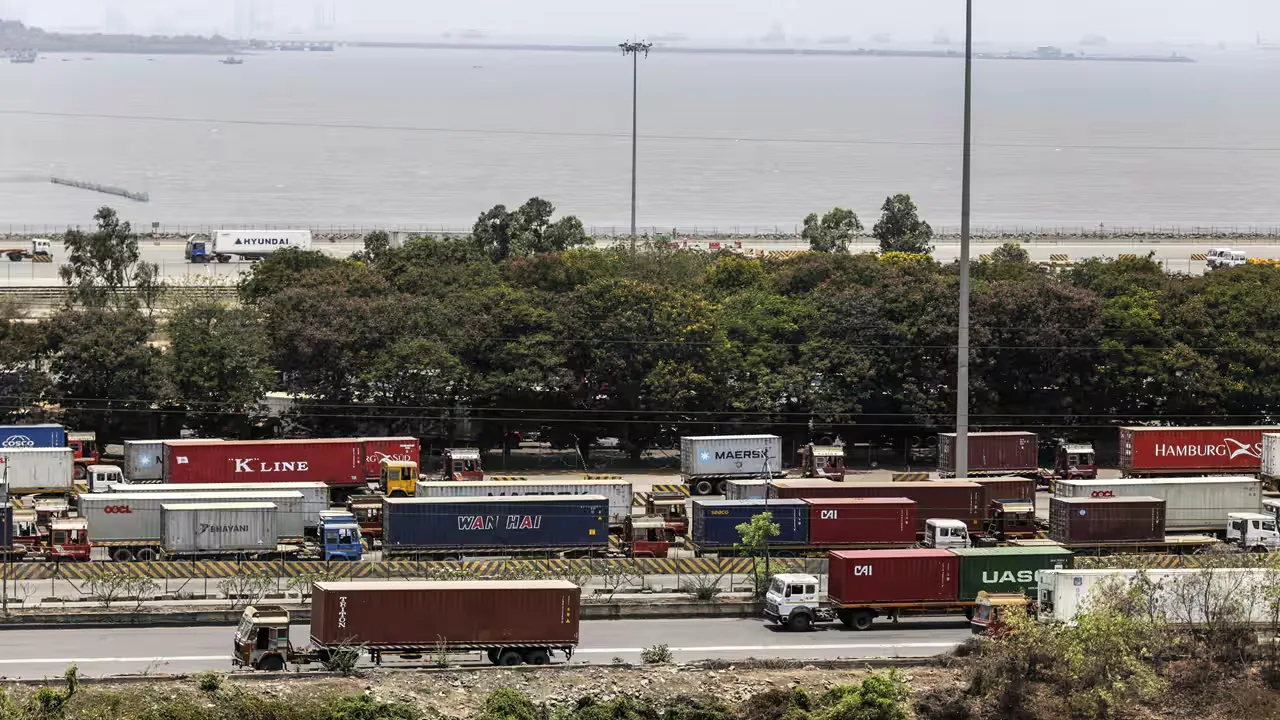
The report highlights that domestic economic activities are expected to maintain their momentum into the third quarter of the fiscal year. Key indicators such as goods movement, tax collections, energy consumption, and freight activity suggest continued expansion. This positive outlook comes just ahead of the release of the second-quarter gross domestic product (GDP) data, which is anticipated to provide further insights into the economic landscape.
However, inflation remains a significant concern. The Finance Ministry noted that an unfavorable base effect could extend into November, and the potential impact of a strong El Niño phenomenon may peak towards the end of 2026. Additionally, the festive season and wedding-related demands are likely to exert upward pressure on both food and non-food prices, complicating the inflation outlook.
Geopolitical tensions, particularly ongoing conflicts in the Middle East, pose further risks to the economy. The situation could lead to volatility in oil import bills and freight rates, which might subsequently influence wholesale and retail prices. Nevertheless, a decrease in crude prices and a strengthening rupee could provide some relief if these trends continue. The Reserve Bank of India is expected to respond to these inflationary pressures with a potential interest rate hike in December, following an increase in October.
Despite these challenges, the Finance Ministry remains confident that sustained consumer demand, increasing private investments, and supportive policies for manufacturing will bolster economic growth. The report indicates that business activity is likely to remain robust, driven by rising new orders and easing input-cost pressures, which could help mitigate the impact of external shocks on the economy.