Government Considers LTCG Tax Cuts Ahead of 2027-28 Budget
The Indian government is exploring potential reductions in long-term capital gains tax to boost investor confidence as part of the upcoming budget.
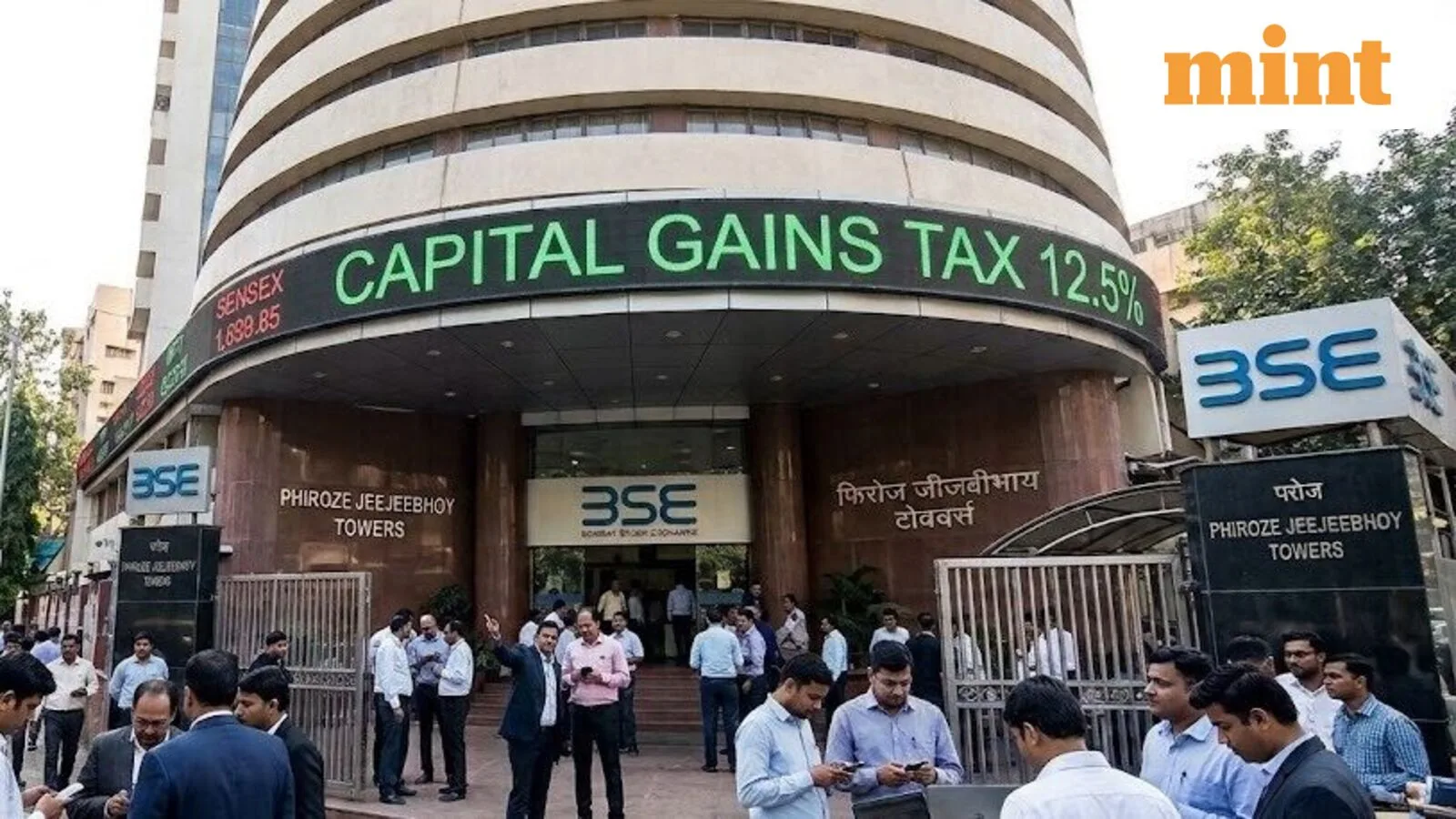
The LTCG tax may be lowered from 12.5% to improve market sentiment.
Foreign investors could calculate gains in dollars instead of rupees.
Concerns over weak stock market performance and wage growth are driving discussions.
The Indian government is reportedly contemplating a reduction in the long-term capital gains (LTCG) tax rate from the current 12.5% as part of its efforts to rejuvenate investor sentiment ahead of the Union Budget for 2027-28. This initiative aims to address the concerns of both domestic and foreign investors amid a challenging stock market environment that has persisted for an extended period.
The discussions surrounding the LTCG tax cuts are gaining traction due to two primary factors: the lackluster returns in the stock market over the past two years and stagnant wage growth, which have adversely affected the investment outlook, particularly for middle-class investors. Finance Minister Nirmala Sitharaman recently characterized the ongoing debate about the LTCG tax as “healthy,” expressing her eagerness to hear diverse opinions on the matter during a forum.
In her remarks at the Bloomberg New Economy forum, Sitharaman acknowledged that both domestic and foreign investors have raised pertinent questions regarding the LTCG tax and the Securities Transaction Tax (STT). The discourse surrounding the taxation of financial markets and the treatment of various asset classes has become increasingly relevant, especially as investor scrutiny of India's capital gains tax structure intensifies. Retail participation in the equity markets surged post-COVID-19, but the recent underperformance of stocks has raised alarms about household investment returns.
The government is also grappling with the challenge of reconciling robust economic growth—recorded at 7.8% in April-June—with the ongoing weak performance of the equity markets and limited salary increases. Officials are reportedly exploring measures to restore market confidence and enhance the investment climate. A senior government official indicated that all options, including potential reductions or eliminations of the capital gains tax, are on the table.
Global investors have expressed concerns regarding India's relatively high LTCG tax compared to other countries, where capital gains taxes are either non-existent or significantly lower. Additionally, foreign investors are wary of the implications of calculating gains in rupees, as currency depreciation can diminish their returns when converted to their home currency. As the government prepares for the upcoming budget, the potential changes to the LTCG tax structure could play a crucial role in shaping the future of investment in India.