Cyberattacks Disrupt Supermarkets Across Europe
A wave of cyberattacks has targeted supermarket refrigeration systems across Europe, leading to significant food spoilage and operational disruptions.
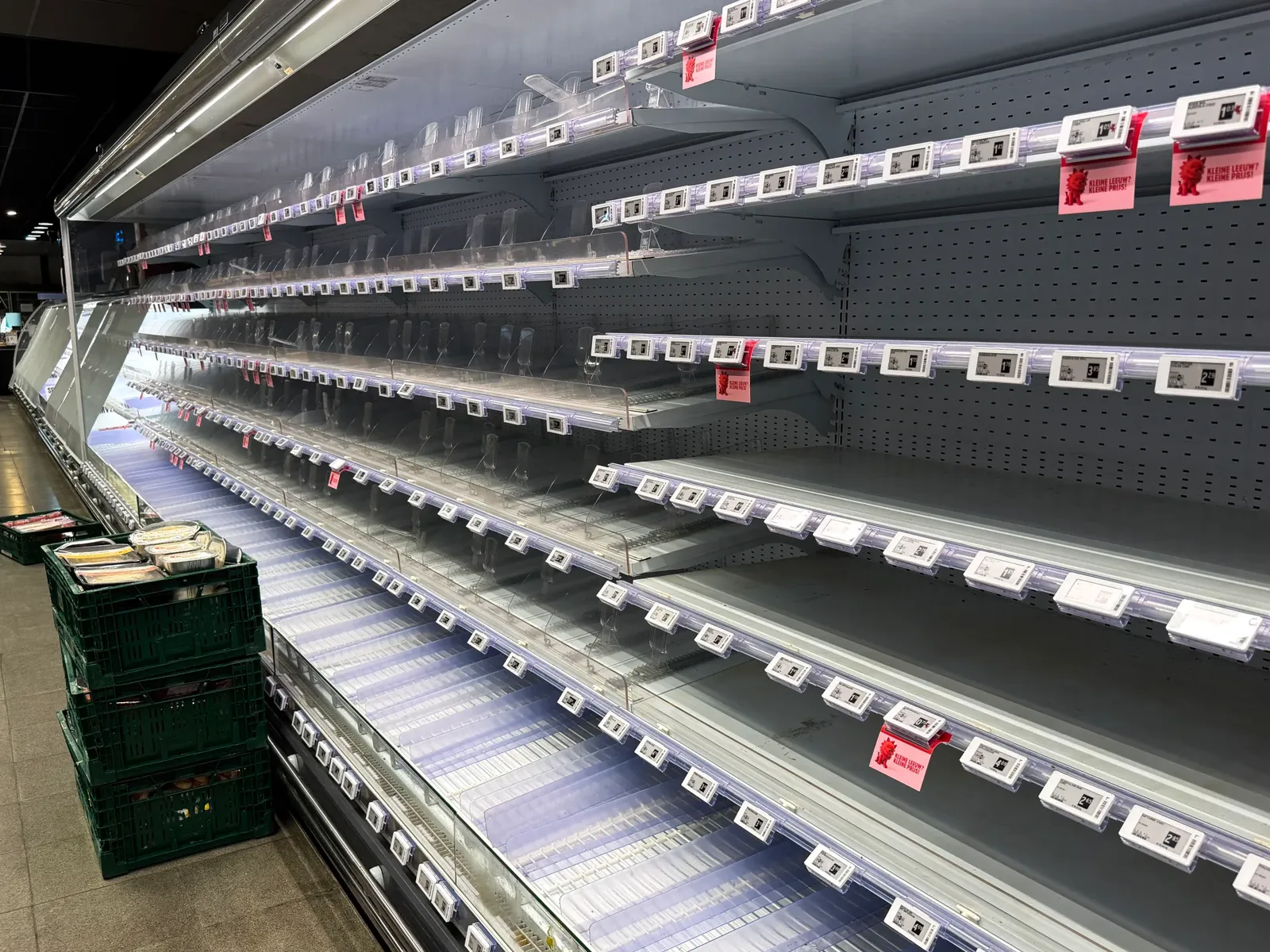
Over 100 supermarkets in Europe have experienced refrigeration failures due to cyberattacks.
The attacks have resulted in millions of euros in losses and raised concerns about food supply security.
Belgian authorities have launched a criminal investigation into the incidents, with no suspects identified yet.
A series of cyberattacks has recently struck supermarket refrigeration systems across Europe, causing significant operational issues and food spoilage. On Monday, more than 100 stores in various countries reported problems with their fridges and freezers, which were found to be operating at dangerously high temperatures. This incident follows a similar pattern observed last month, where hundreds of French supermarkets faced similar disruptions, leading to substantial financial losses and waste of perishable goods.
The scope of the attacks has been extensive, affecting major supermarket chains in multiple countries. Notable incidents include the Belgian supermarket operator Delhaize, which reported IT issues in numerous stores, and Carrefour, which indicated that refrigeration problems impacted around 15 of its locations in Belgium. Other affected retailers include the Colruyt group, Swedish Coop, and even the Belgian butchery chain De Laet & Van Haver, which reported losses of approximately 15,000 euros in spoiled meat due to the temperature rise in their refrigeration units.
In the United States, similar incidents have raised alarms, with reports of freezer malfunctions at military bases attributed to suspected cyberattacks. The Pentagon is currently investigating these occurrences, which have led to food spoilage and operational challenges at these facilities. The connection between these incidents and the ongoing cyberattacks in Europe suggests a broader trend of targeting food supply chains through digital vulnerabilities.
Experts have pointed out that many supermarket refrigeration systems are remotely managed and often lack necessary cybersecurity measures, making them susceptible to hacking. Awais Rashid, a cybersecurity professor, noted that these systems are frequently accessible over the internet and may use outdated software, which can be exploited by cybercriminals. The attacks have raised serious concerns about food security and consumer trust in the food supply chain, prompting responses from European officials who view these disruptions as deliberate attempts to undermine food supply stability.
As investigations continue, Belgian authorities have opened a criminal probe into the cyberattacks, but no group has claimed responsibility thus far. Speculation about potential state-sponsored actors has emerged, with links drawn to ongoing geopolitical tensions involving Russia and North Korea. The situation underscores the urgent need for enhanced cybersecurity measures across critical infrastructure sectors to mitigate the risks posed by such cyber threats in the future.