Brent Crude Surpasses $100 Amid Houthi Attacks on Saudi Airports
Brent crude oil prices rise above $100 following renewed Houthi strikes on Saudi energy infrastructure.
Brent crude is trading at $101.49 per barrel.
Saudi Arabia's oil flows via the Rast-West pipeline have rebounded to 5.8 million barrels daily.
Concerns over regional security continue to affect oil market stability.
Brent crude oil prices have surged past the $100 mark, reaching $101.49 per barrel, following reports of renewed Houthi attacks on Saudi Arabian energy infrastructure. This increase comes despite earlier fluctuations in the market, where prices had dipped on Tuesday.
The backdrop to this price rise includes a statement from Saudi Arabia’s Energy Minister, Prince Abdulaziz bin Salman, who noted that oil flows through the Rast-West pipeline have rebounded to 5.8 million barrels per day. This announcement aimed to counteract fears stemming from reports of a potential shutdown of the pipeline due to the Houthi assaults. However, the situation remains tense as the Saudi air transport authorities confirmed attacks on two airports, including one in Jazan, which houses a significant Aramco refinery.
Market analysts are closely monitoring the situation, with ING’s commodity experts highlighting a precarious balance between improving oil supply from the region and ongoing threats to that supply. They indicated that the market is likely to remain jittery, as any potential disruptions could lead to sustained price increases. The analysts emphasized that for prices to stabilize at lower levels, the risks associated with the regional conflict must be addressed.
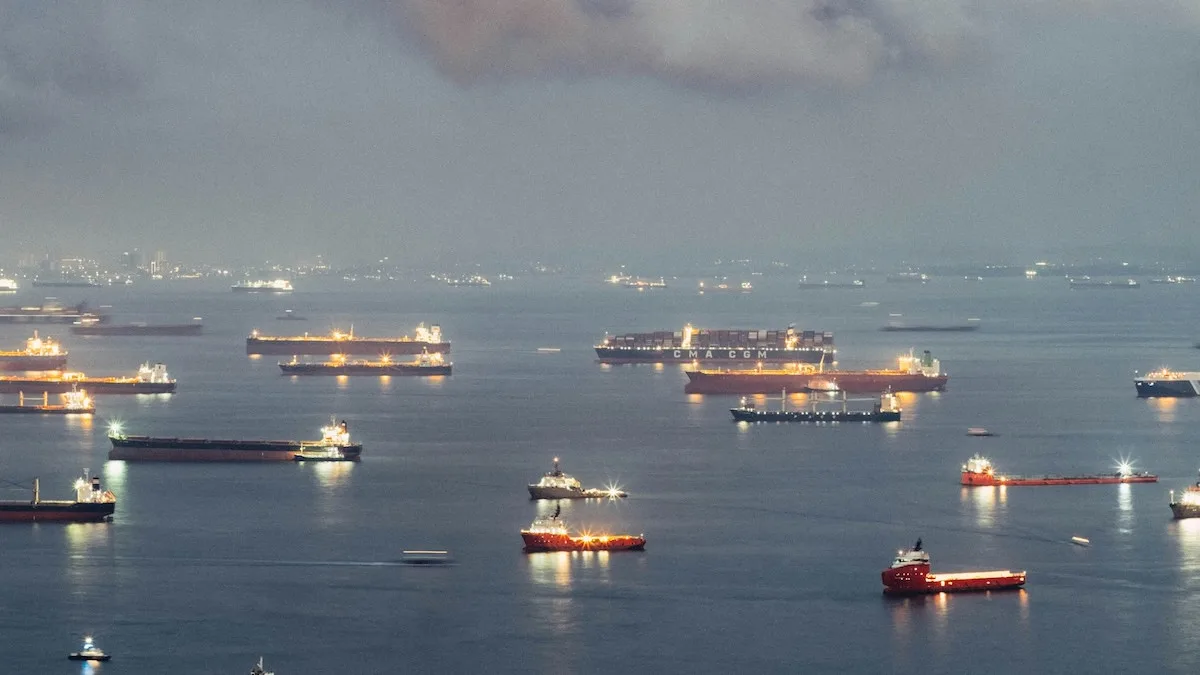
The implications of these developments extend beyond immediate price fluctuations. The ongoing conflict has complicated logistics for oil exports from the Persian Gulf, leading to unprecedented increases in freight costs. Supertanker rates have surged to over $1 million per day, with smaller vessels also experiencing rising costs, according to Sparta Commodities’ senior oil market analyst June Goh.
Looking ahead, the oil market remains on edge as traders focus on the logistics of crude transportation amid the ongoing conflict. The potential for further price increases persists as long as the fighting continues, overshadowing reports of export volumes and keeping market participants wary of supply disruptions.