India's Stock Market Faces Longest Decline in 25 Years Amid Economic Growth
Despite a robust economy growing over 7%, India's stock market is experiencing its longest losing streak in decades.

India's Sensex and Nifty indices have seen eight consecutive weeks of losses.
Foreign institutional investors have withdrawn $40 billion from Indian markets in the last two years.
Domestic mutual fund investments have surged, but households are still facing financial strain.
India's stock market is grappling with its most significant downturn in 25 years, as the benchmark Sensex and Nifty indices have recorded eight weeks of consecutive losses. This decline is occurring despite the country's economy growing at a remarkable rate of over 7%, driven by various sectors. The stark contrast between economic growth and stock market performance has raised concerns among investors and analysts alike.
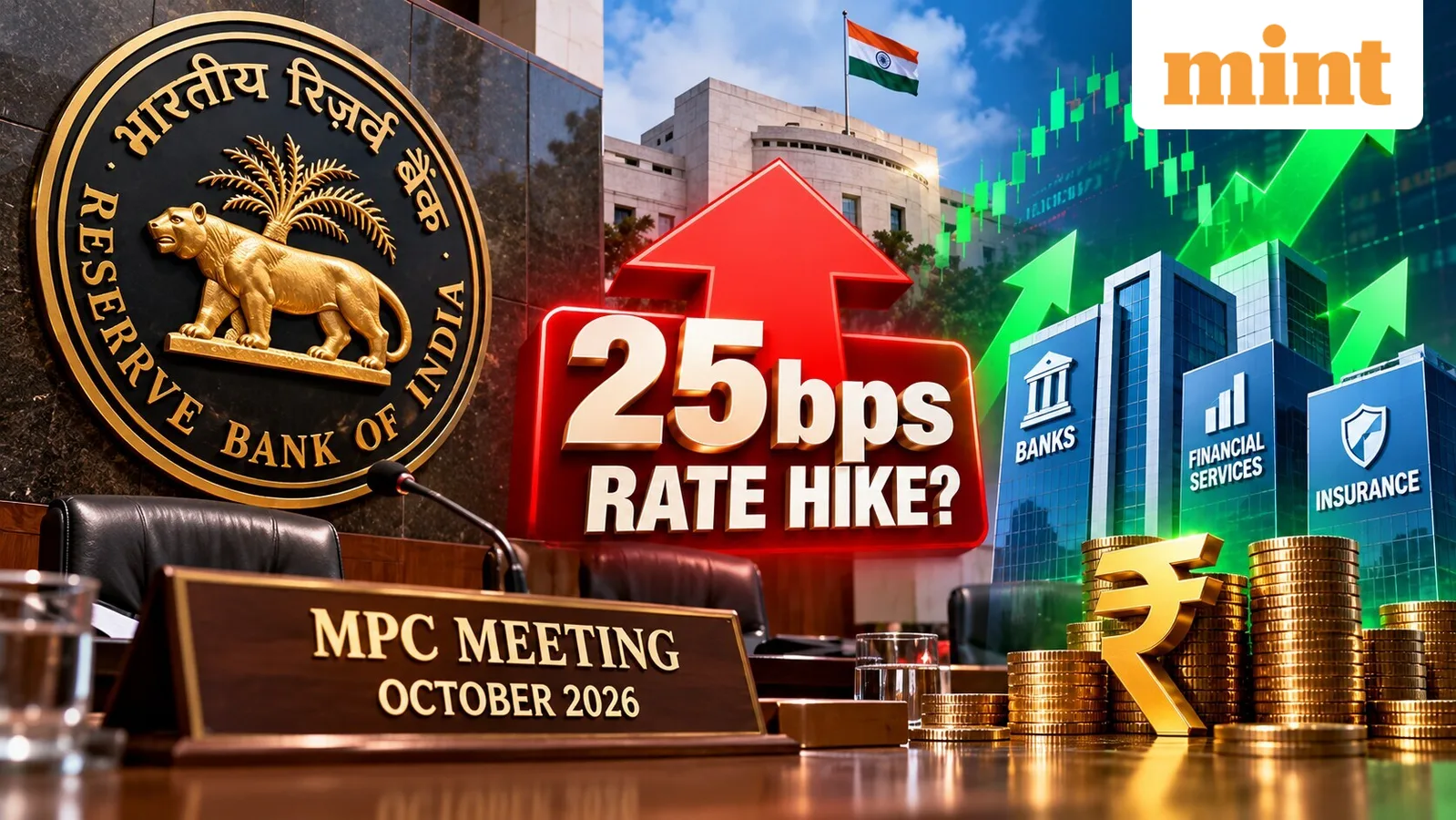
The backdrop of this situation includes a series of global challenges, including rising energy prices due to ongoing conflicts in the Middle East, which have pushed crude oil prices to nearly $100 per barrel. This has led to increased inflation and rising interest rates worldwide, prompting foreign investors to withdraw from riskier markets like India. The Indian rupee's depreciation has further exacerbated the situation, diminishing returns for foreign investors and making Indian equities less appealing compared to other markets.
Data reveals that domestic mutual funds have seen substantial growth, with assets under management increasing from approximately $125 billion in 2016 to around $900 billion this year. However, this influx of domestic capital has not been enough to offset the significant withdrawals by foreign institutional investors, who have pulled out a staggering $40 billion over the past two years. The erosion of wealth for individual investors in the Nifty index, which has seen a 15% decline this year, underscores the growing anxiety among Indian households.
The implications of this market decline are profound, particularly for the average Indian investor who is already grappling with high inflation and a challenging job market. The recent downturn raises concerns about the sustainability of domestic investments in mutual funds, as many households are now witnessing their equity savings diminish. The market's performance is critical not only for individual investors but also for the broader economy, as it reflects investor confidence and future growth prospects.
Looking ahead, analysts suggest that easing geopolitical tensions and attractive stock valuations could potentially revive foreign portfolio investor interest in Indian markets. However, the ongoing challenges of high energy prices and trade tensions remain significant hurdles. As companies begin to report their quarterly earnings, the extent to which corporate margins have been affected will become clearer, providing further insights into the market's direction in the coming months.