Zara and H&M Shift Orders to India Amid Bangladesh Labor Strikes
Global fashion brands are reallocating orders from Bangladesh to India and other Asian nations due to ongoing labor unrest.
Zara and H&M diverted $254 million in orders from Bangladesh.
Bangladesh's garment industry faces over $400 million in production losses.
A recent minimum wage increase has failed to quell worker unrest.
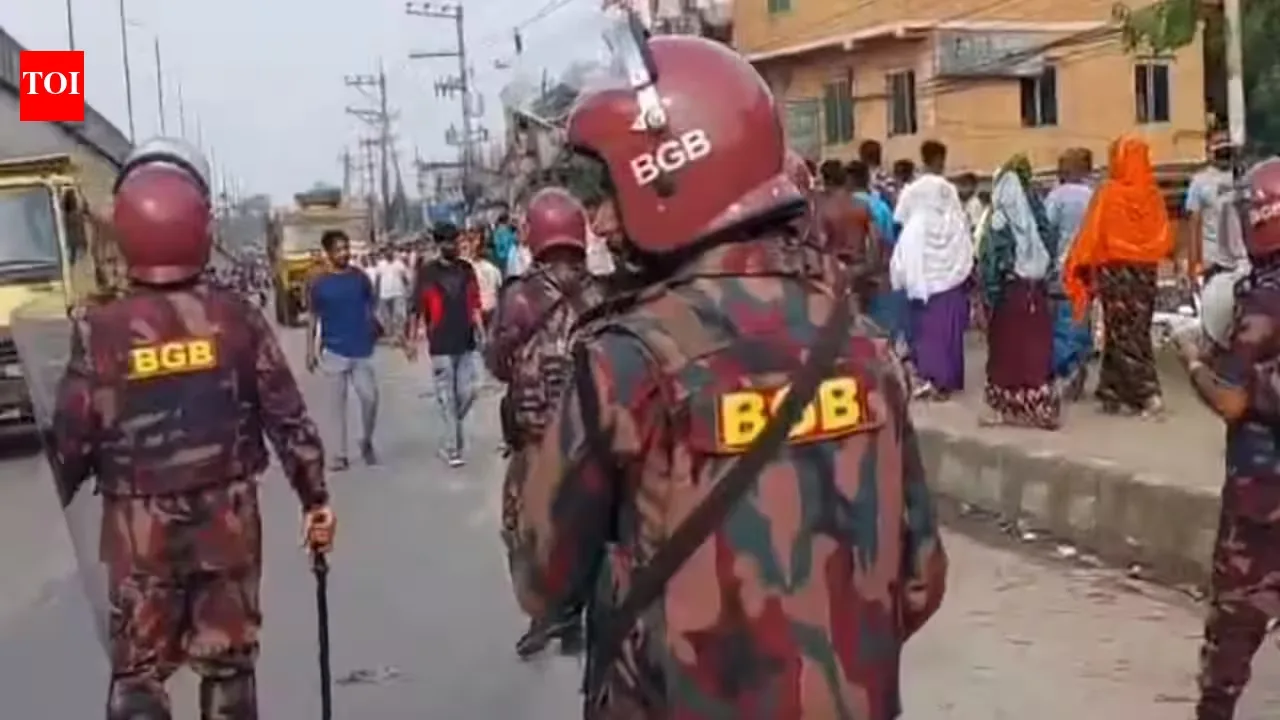
In response to escalating labor unrest, major global fashion retailers, including Zara and H&M, have begun shifting a substantial portion of their orders from Bangladesh to alternative manufacturing hubs in Asia. This transition, which took place between November 1 and November 18, has seen approximately 10% of total orders, valued at around $254 million, redirected primarily to India, as well as to countries like Vietnam, Cambodia, and Indonesia.
The garment industry in Bangladesh, which is the second-largest apparel exporter globally after China, is grappling with significant challenges. Rising wages, energy shortages, and political instability have diminished the country's competitive edge in low-cost production. According to the Bangladesh Garment Manufacturers and Exporters Association, the ongoing protests have led to production losses exceeding $400 million, severely impacting the industry that constitutes over 80% of the nation's export earnings and nearly 40% of its manufacturing jobs.
On November 15, the Bangladeshi government approved a 36% increase in the minimum wage for garment workers, the smallest increment in four decades. This adjustment, however, fell short of workers' demands for a wage more than double their current pay, resulting in renewed clashes with police. Despite the government's claims of a satisfactory wage increase, industry leaders warn that this adjustment may further erode Bangladesh's labor-cost advantage over India, as trade unions argue that the new wages remain low by international standards.
Factory owners have expressed concerns that the shift of orders to other countries could become a lasting trend, even if the unrest in Bangladesh subsides. Ongoing energy shortages, exacerbated by geopolitical tensions in the Middle East, have disrupted production schedules and forced some factories to rely on more costly alternative energy sources. In contrast, India offers a delivery advantage of approximately one week, while Vietnam and Cambodia can reduce lead times by up to 15 days, making them attractive alternatives for global buyers.
The disruptions have resulted in significant production backlogs, with manufacturers in the Dhaka area losing an estimated 20 to 25 production days. Some factories are considering implementing overtime and utilizing air freight to fulfill delivery commitments. Additionally, political tensions regarding the potential return of former Prime Minister Sheikh Hasina from India have raised further concerns about future disruptions. Industry leaders are urging for stability and uninterrupted production to maintain the confidence of international buyers.