Sri Lanka Reports Increased Air Pollution Linked to Punjab Stubble Burning
Recent data reveals that air quality in Sri Lanka is deteriorating, with significant contributions from stubble burning in Punjab.
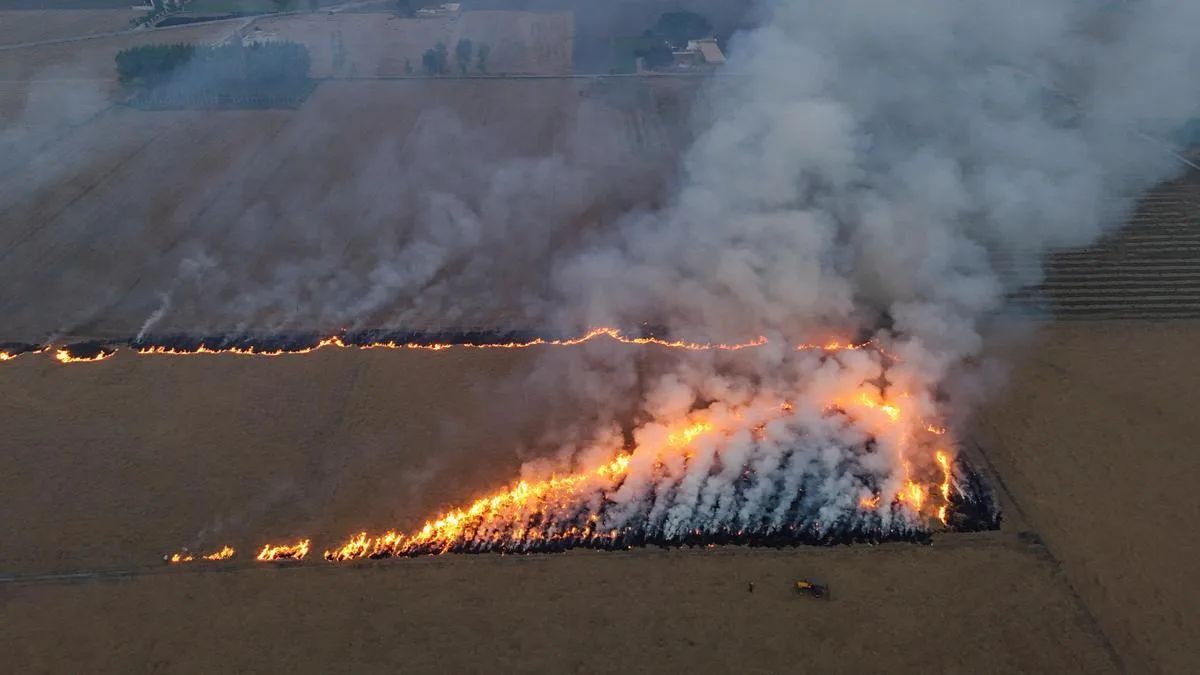
Farmers in Punjab burn rice stalks in October and November, impacting air quality.
Sri Lanka's Central Environmental Authority noted elevated PM2.5 and PM10 levels in multiple regions.
The pollution is attributed to winds carrying smoke from Punjab, affecting urban areas like Colombo.
In a concerning environmental development, Sri Lanka's air quality has been adversely affected by stubble burning practices in Punjab, India. Each year, during the harvest months of October and November, farmers in Punjab and Haryana engage in the burning of leftover rice stalks to prepare their fields for the wheat crop. This practice not only contributes to severe air pollution in northern India but also has far-reaching effects beyond its borders.
In mid-November 2026, the Central Environmental Authority of Sri Lanka reported alarming increases in fine particulate matter, specifically PM2.5 and PM10, across several regions including the Northern Province, Anuradhapura, Puttalam, Trincomalee, Kurunegala, and the capital city, Colombo. The authority indicated that these elevated pollution levels were significantly influenced by external factors, particularly winds carrying smoke from stubble burning in Punjab.
The data collected by Sri Lankan environmental officials highlights the transboundary nature of air pollution. The fine dust particles, which can pose serious health risks, have been linked to various respiratory issues and other health complications among the population. The situation underscores the interconnectedness of environmental practices across borders, where agricultural methods in one region can have detrimental effects on air quality in another.
This pollution crisis not only affects public health but also raises concerns about environmental sustainability in the region. As Sri Lanka grapples with the consequences of this air quality deterioration, it calls for urgent measures to address both local and cross-border pollution sources. The implications for urban areas, particularly those with high population densities, are particularly severe, as residents face increased health risks from poor air quality.
Looking ahead, it is essential for both Indian and Sri Lankan authorities to collaborate on addressing the issue of stubble burning and its environmental impacts. Future discussions may focus on sustainable agricultural practices that minimize air pollution while ensuring farmers can effectively manage their crop residues. The need for a comprehensive approach to air quality management is more pressing than ever, as both nations strive to protect public health and the environment.