Women's Group Challenges Transgender Rights in Supreme Court
A women's organization contests the Transgender Persons Act, arguing it undermines protections for biological women.
The petition challenges provisions allowing biological males to identify as females legally.
It seeks clarification on the Supreme Court's 2014 ruling regarding transgender rights.
Concerns are raised about the implications for women's rights and protections.
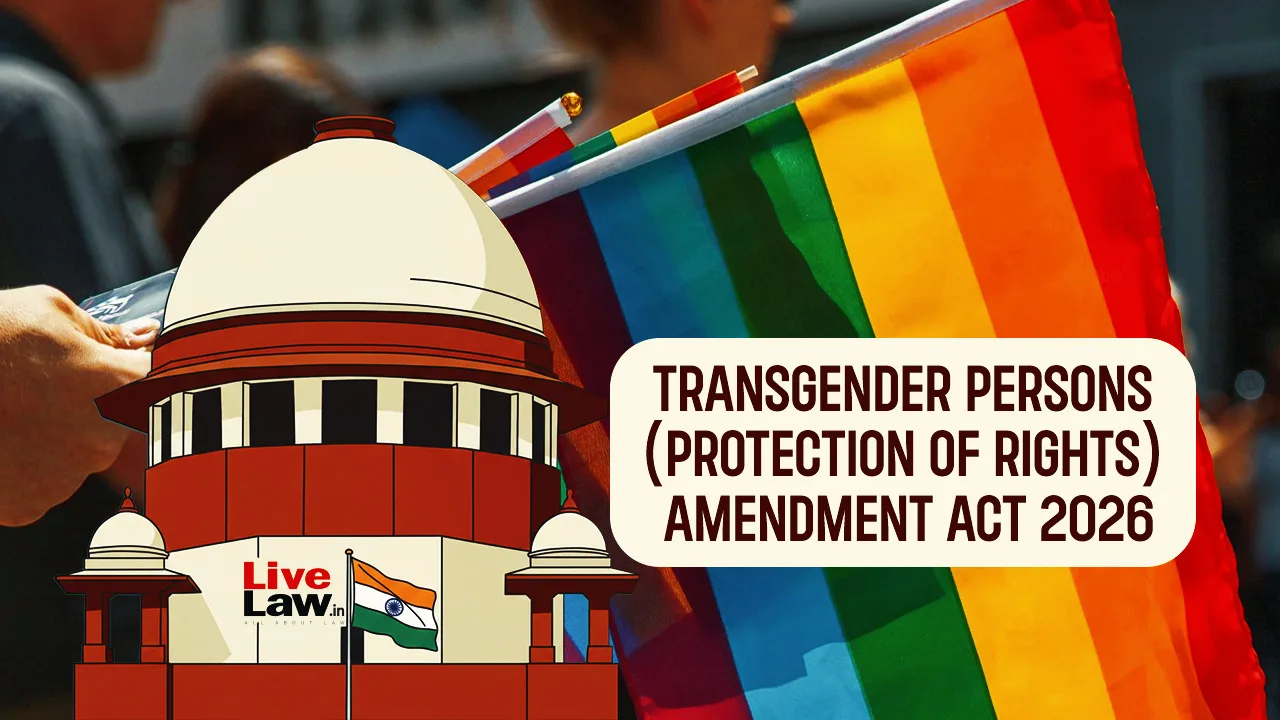
A women's advocacy group, Women's Declaration International India, has filed a petition with the Supreme Court contesting the Transgender Persons (Protection of Rights) Act, 2019, as amended in 2026. The organization argues that the law permits biological males to be recognized as females in official documents after undergoing sex reassignment surgeries, which they believe undermines the rights and protections specifically afforded to biological women.
The petition specifically targets Section 7 of the Transgender Persons Act and Rule 7 of its associated regulations, which allow individuals to obtain gender certificates that do not align with their biological sex. The petitioners assert that such provisions adversely affect the statutory protections guaranteed to women, emphasizing the need for a legal framework that distinguishes between biological sex and gender identity.
During the court proceedings, Senior Advocate Amit Sibal, representing the petitioners, highlighted that while the group supports the rights of transgender individuals, it is crucial to protect the constitutional and statutory benefits exclusive to biological females. Justice Joymalya Bagchi remarked on the complexities of the issue, noting that the case raises significant questions about the implications of allowing individuals assigned male at birth to claim rights and benefits designated for women.
The implications of this case extend beyond legal definitions, touching on societal norms and the rights of women in various sectors, including sports and employment. The petition cites several judicial precedents where the recognition of gender identity has led to concerns regarding women's reservations in elections and access to sex-specific roles. The petitioners argue that allowing biological males to compete in women's sports or occupy positions traditionally reserved for women raises questions about fairness and safety.
As the Supreme Court prepares to hear the case, the outcome could have far-reaching consequences for the rights of both transgender individuals and biological women in India. The court's decision will likely influence future legislative measures and societal attitudes towards gender identity and women's rights, setting a precedent for how these complex issues are navigated in the legal system.