Violence Erupts in Paris as Molotov Cocktail Hits Officer
Protests against rising living costs escalate into violence in Paris, resulting in injuries and numerous arrests.

565 arrests made nationwide during protests across France.
A police officer was injured by a Molotov cocktail in Paris.
Protests were fueled by public discontent over living costs and services.
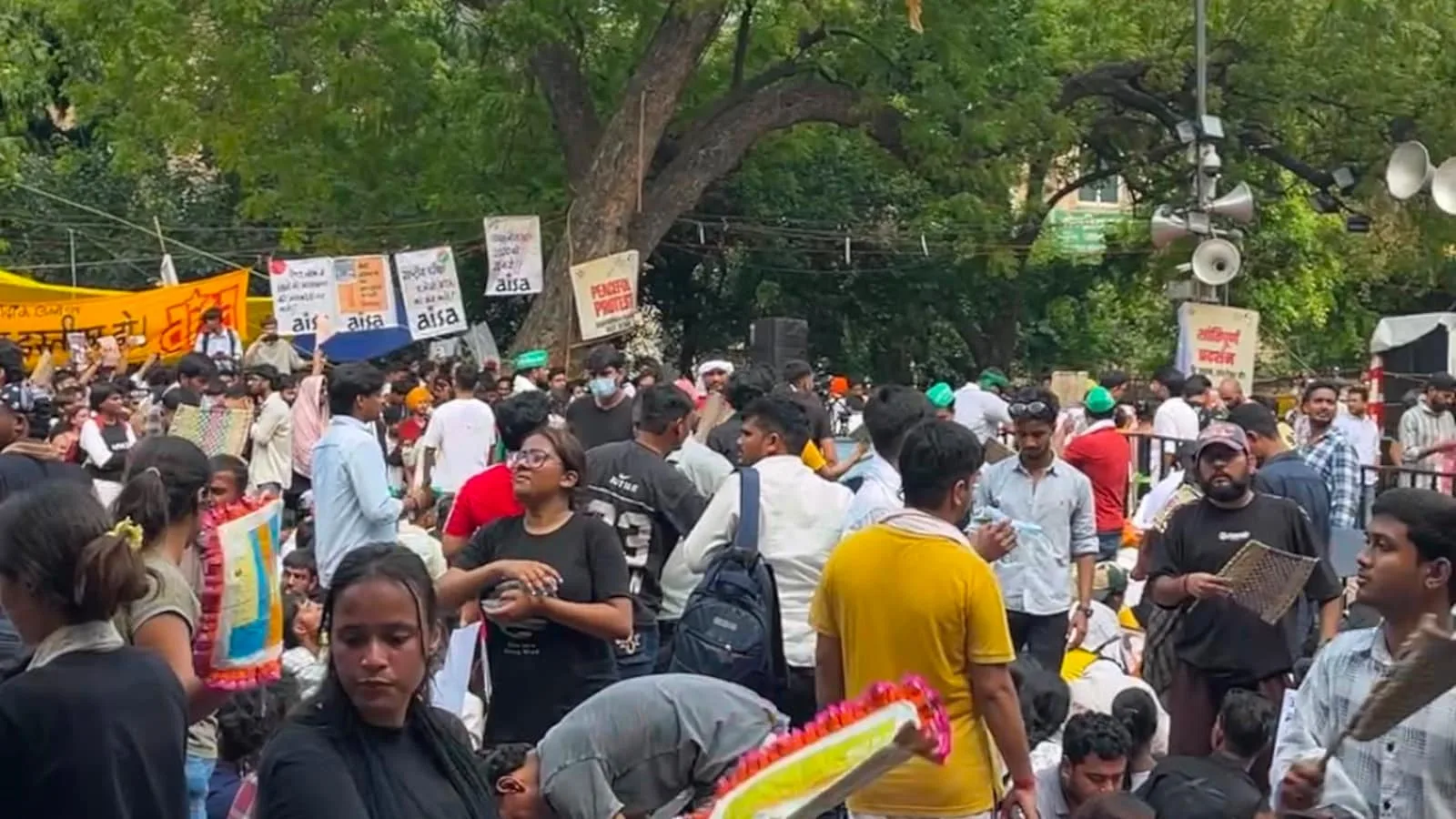
On Saturday, a police officer in Paris was injured after being struck by a Molotov cocktail during escalating protests against rising living costs and deteriorating public services. The demonstrations, which took place in multiple French cities, saw significant violence, prompting a strong response from law enforcement.
According to the interior ministry, approximately 320,000 individuals participated in the protests across France, a decrease from 410,000 the previous weekend. In Paris, around 70,000 demonstrators marched from Porte de Bagnolet to Porte de Charenton, largely avoiding the city center until violence erupted at the march's conclusion. Interior Minister Laurent Nuñez condemned the level of violence, describing it as “extraordinary,” despite many protests remaining peaceful.
The clashes resulted in injuries to four police officers and one gendarme, with three officers suffering burns from Molotov cocktails. The police prefecture reported that several hundred rioters attacked officers using projectiles, leading to police deploying tear gas and baton charges in response. Nuñez characterized the attack on the police officer as an “attempted murder,” highlighting the severity of the situation.
The protests, which included school students, trade unions, and Yellow Vest demonstrators, were fueled by widespread anger over cost-of-living increases, growing inequalities, and the state of public services under President Emmanuel Macron's administration. In Lyon and Toulouse, violence also erupted as protesters clashed with police, prompting further security measures across the country.
Looking ahead, student groups have announced plans for additional protests and blockades at high schools and universities on Tuesday and Thursday, culminating in a larger demonstration organized by workers and trade unions on November 5. The unrest in France reflects a broader wave of protests across Europe, with similar demonstrations occurring in Germany and Albania, indicating a growing discontent with government policies and economic conditions.