US Lawmakers Urge Halt to Afghan Deportations Amid Crisis
A coalition of 66 US lawmakers has called on the Trump administration to stop the deportation of Afghans, fearing for their safety if returned home.
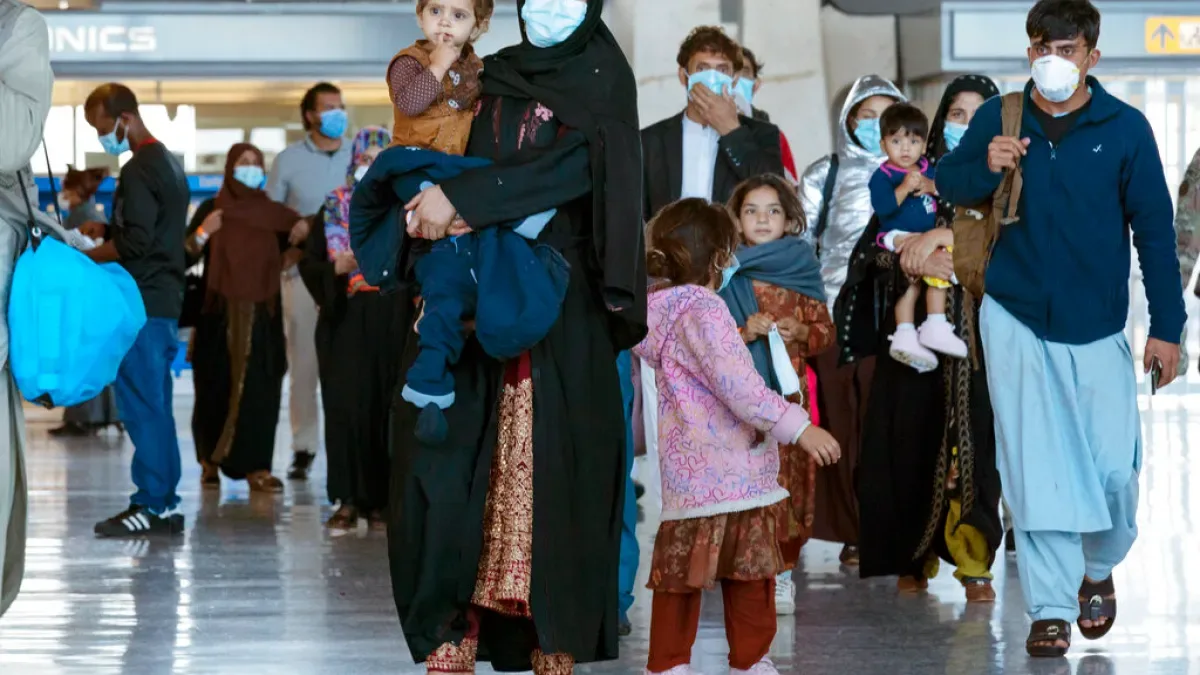
At least 150 Afghans are scheduled for deportation to Pakistan and Afghanistan.
Lawmakers emphasize the danger of returning individuals who supported US forces to Taliban-controlled regions.
Advocates report that many Afghans lack legal representation to contest their deportation.
A group of 66 lawmakers in the United States has formally requested that the Trump administration cease the planned deportation of Afghans, which includes individuals who served alongside coalition forces prior to the US military withdrawal in 2021. In a letter sent on Monday, the lawmakers highlighted reports from advocacy organizations indicating that at least 150 Afghans are set to be deported starting Tuesday, with flights scheduled from detention centers in Louisiana to Pakistan.
The situation has escalated as the Department of Homeland Security (DHS) has indicated intentions to return some of these individuals to Afghanistan, a country currently governed by the Taliban following the US troop withdrawal in August 2021. The lawmakers expressed grave concerns in their correspondence to Secretary of State Marco Rubio and Secretary of Homeland Security Markwayne Mullin, stating that sending these individuals back to Afghanistan poses a significant risk to their lives due to their perceived association with the US government.
Critics of the Trump administration's immigration policies argue that the deportation of Afghans undermines established humanitarian norms. Reports indicate that the administration has made agreements with numerous countries to accept third-country nationals, often due to fears of persecution if returned to their home nations. Nonprofit organizations, including Refugees International and Human Rights First, have documented that at least 25,000 individuals have been forcibly sent to third countries under these policies.
The implications of these deportations extend beyond individual cases, as many Afghans in the US find themselves in a precarious situation, unable to contest their deportation due to lack of legal representation. Shawn VanDiver, president of the AfghanEvac advocacy group, noted that many individuals facing deportation have not had the chance to adequately defend themselves in court. He shared the story of a former Afghan police officer who fears for his life if returned to Taliban rule.
Looking ahead, advocates are pushing for new legislation to provide protection for Afghans in the US, including a bipartisan bill aimed at reinstating Temporary Protected Status for those affected by the Trump administration's policies. As the situation develops, the fate of these individuals remains uncertain, with many still waiting for resolution of their immigration status amidst a backlog in the system.