US Considers New Tariffs on India and 15 Other Nations
The US plans to impose additional tariffs on India and 15 other countries, citing concerns over industrial subsidies and excess production.
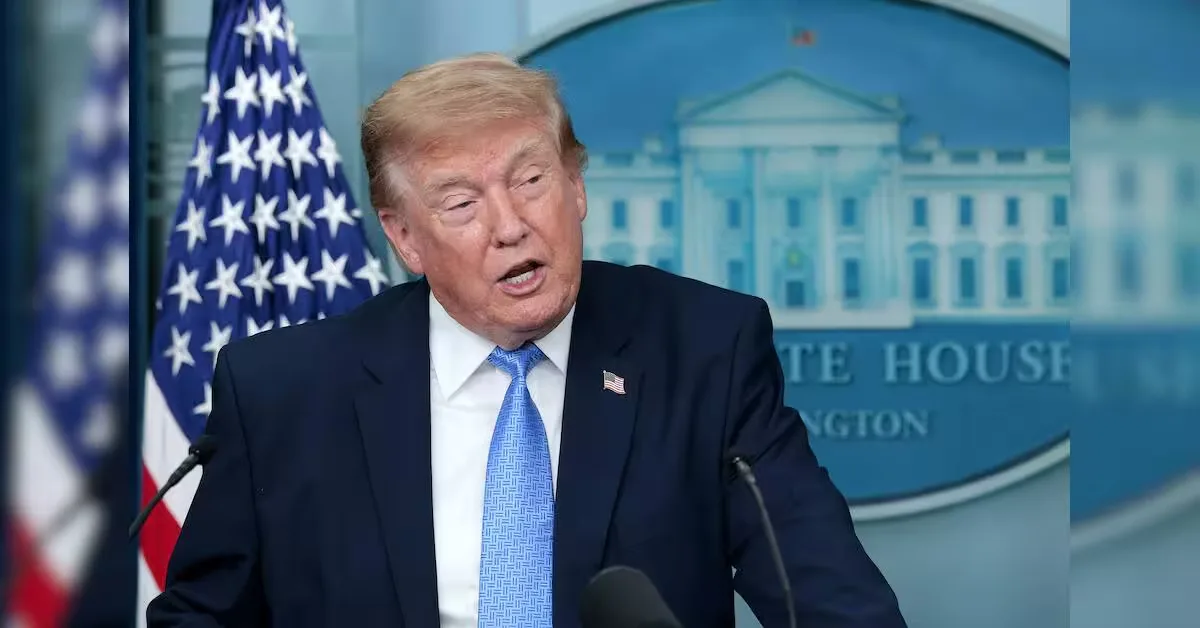
The US Trade Representative's office is investigating subsidies in 16 economies, including India.
New tariffs could be announced as early as this week, impacting ongoing trade negotiations.
India aims for lower tariffs in the US market compared to competitors like Bangladesh and Vietnam.
The United States is preparing to introduce increased tariffs on India and 15 other countries, as reported by the Wall Street Journal. This decision stems from an investigation into alleged industrial subsidies that have contributed to excess production capacity in these nations, impacting American businesses. The announcement is expected to come this week, adding to the complexities of the current trade discussions between New Delhi and Washington.
The investigation, initiated by the US Trade Representative (USTR) Jamieson Greer on March 11, targets 16 economies under Section 301 of the 1974 trade law. This section empowers the president to impose tariffs following findings of unfair trade practices. Greer has indicated that the subsidies and governmental support in these countries have allowed their industries to produce goods at lower costs, flooding the global market and disadvantaging US manufacturers.
In July, the USTR concluded a separate investigation regarding forced labor in foreign supply chains, which justified imposing tariffs ranging from 10% to 12.5% on various trading partners, including those involved in the current excess manufacturing inquiry. While the exact rates for the new tariffs remain undetermined, they will be in addition to existing tariffs already imposed.
Currently, India and the US are engaged in negotiations for an interim bilateral trade agreement. This follows the Supreme Court's decision to invalidate tariffs imposed under the International Emergency Economic Powers Act last year, which had disrupted previous agreements. India is advocating for lower tariff rates on its exports to the US, aiming to secure a competitive edge over other countries like Bangladesh, Vietnam, and Cambodia.
Looking ahead, the outcome of the USTR's investigation and the potential announcement of new tariffs could significantly influence the trade dynamics between the US and India. Stakeholders are closely monitoring developments, as the implications of these tariffs may affect various sectors and the broader economic relationship between the two nations.