U.S. Senate Passes Bipartisan Energy Bill with 62-33 Vote
The Senate has approved a significant energy bill aimed at enhancing infrastructure and addressing rising electricity costs.
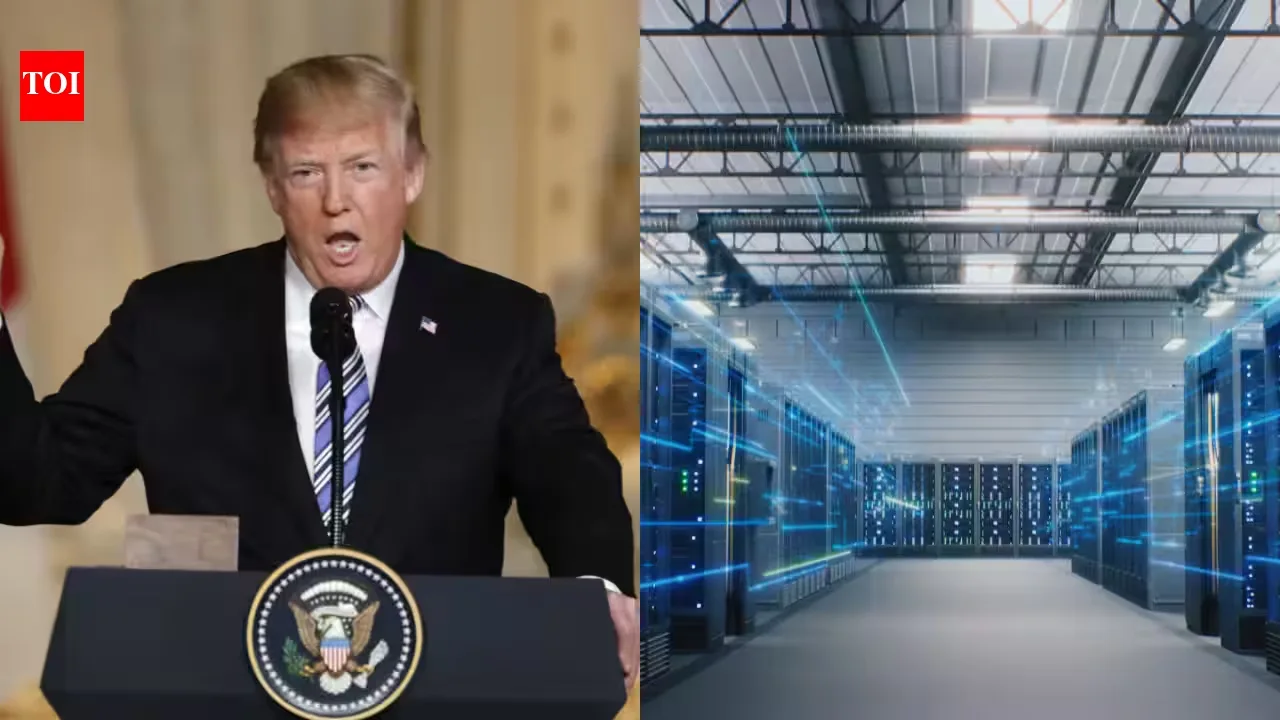
The Bipartisan American Affordability and Jobs Act of 2026 passed with a 62-33 vote.
The bill mandates large AI data centers to contribute more to electricity grid upgrades.
Concerns about environmental impact and tribal rights have been raised despite bipartisan support.
In a decisive move, the U.S. Senate voted 62-33 on Thursday to pass the Bipartisan American Affordability and Jobs Act of 2026. This legislation aims to expedite the approval process for critical energy infrastructure projects, including power plants and transmission lines, as the nation grapples with increasing electricity demands driven by the expansion of artificial intelligence and data centers.
The bill has been in development for approximately four years, marking a significant legislative effort to address the delays that have plagued major energy projects. President Donald Trump has actively supported the measure, emphasizing its potential to enhance American energy independence and reduce household utility costs. He characterized the bill as a vital win for U.S. energy production, asserting that it would facilitate the construction of essential energy infrastructure without the burden of lengthy regulatory processes.
Notably, the legislation includes a provision that requires large AI data centers to bear a greater share of the costs associated with upgrading the electricity grid. This requirement comes amid growing concerns about whether average electricity consumers should subsidize the infrastructure needs of energy-intensive tech companies. As the demand for reliable electricity from these data centers increases, the need for substantial upgrades to the existing grid becomes more pressing.
Despite its bipartisan support, the bill has faced criticism from environmental groups and some lawmakers who are concerned about its implications for environmental protections. The legislation proposes tighter deadlines for federal environmental reviews and modifies existing laws, raising alarms about potential negative impacts on wildlife and tribal sovereignty. Critics, including Senator Jeff Merkley, have voiced the need for a more thorough examination of the bill's effects on Indigenous communities and natural resources before it moves forward.
The next step for the bill is its consideration in the House of Representatives, where it will undergo further scrutiny. President Trump has indicated his willingness to sign the bill into law if it passes through Congress. As the U.S. seeks to balance energy affordability with the demands of a rapidly evolving digital economy, this legislation represents a crucial step in addressing the challenges posed by rising electricity use and the infrastructure necessary to support it.