Two Oil Tankers Catch Fire in Strait of Hormuz After Mine Strikes
Iran's IRGC reports that two tankers ignited after hitting naval mines, raising tensions in the region.
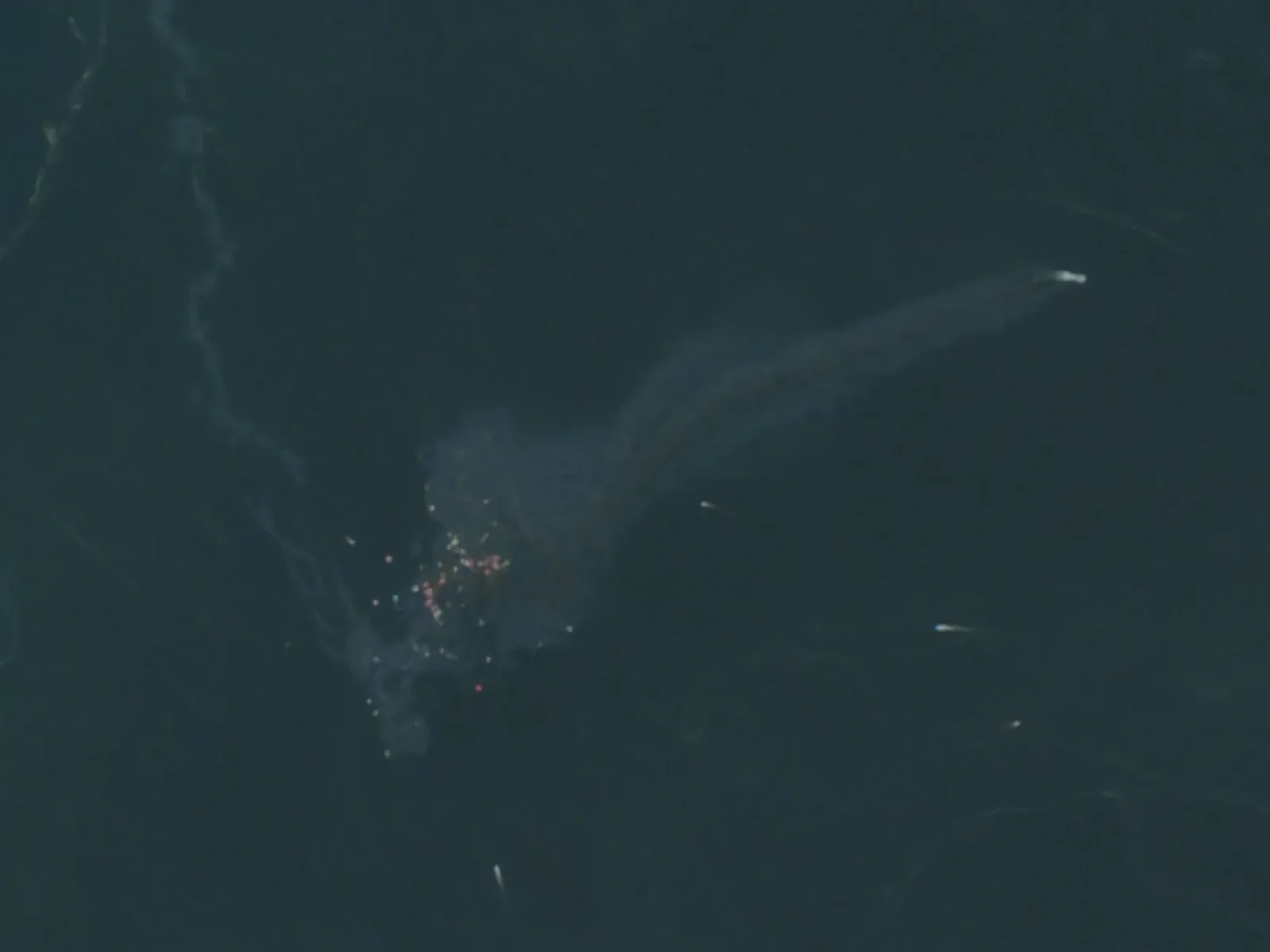
Two tankers, each carrying two million barrels of oil, caught fire after hitting mines.
The vessels reportedly used an unauthorized route and turned off navigation systems.
Recent attacks in the Strait of Hormuz have surged, impacting global oil supply and prices.
In a significant escalation of maritime tensions, the Islamic Revolutionary Guard Corps (IRGC) of Iran reported that two oil tankers caught fire after striking naval mines in the strategic Strait of Hormuz. The incident occurred over the weekend, with the first tanker experiencing an explosion that led to a fierce blaze, while the second vessel was engulfed in flames shortly after hitting a mine. Each tanker was reportedly transporting around two million barrels of crude oil.
The IRGC indicated that the ships had deactivated their positioning and radar systems, opting for a route that was not authorized by Iranian authorities. This action has raised suspicions, as the IRGC claimed that one of the tankers attempted to navigate the waterway with support from the United States, while the other was left immobilized. The Strait of Hormuz is a critical passage for global oil shipments, and Iran has asserted control over it since the onset of hostilities with the US and Israel in February.
Details regarding the identities of the tankers or the origins of their cargo remain unclear. The IRGC's naval commander, Rear Admiral Ali Azmaei, issued a warning that any vessel disabling its navigation systems would be deemed hostile. This statement underscores the heightened vigilance in the region, particularly as maritime attacks have surged in recent weeks, with six vessels reportedly attacked in a single day last Sunday.
The recent incidents have had broader implications for global energy markets. The disruption in oil transit through the Strait of Hormuz has contributed to rising energy prices and inflation, with reports indicating a significant drop in oil passage from nearly 20.8 million barrels on October 8 to just 2.9 million on October 11. The situation has prompted the United States to impose a naval counter-blockade on Iranian oil exports, further escalating tensions.
Looking ahead, the situation in the Strait of Hormuz remains precarious. As Iran continues to assert its authority over maritime navigation in the region, the international community is closely monitoring developments. The potential for further military engagements or retaliatory actions could significantly impact global oil supply and geopolitical stability, particularly as the US midterm elections approach, which may influence diplomatic strategies regarding Iran.