Trump, Xi, and Putin Call for UN Reforms at Shenzhen Summit
Leaders of the US, China, and Russia unite in a trilateral summit to advocate for significant changes to global institutions.
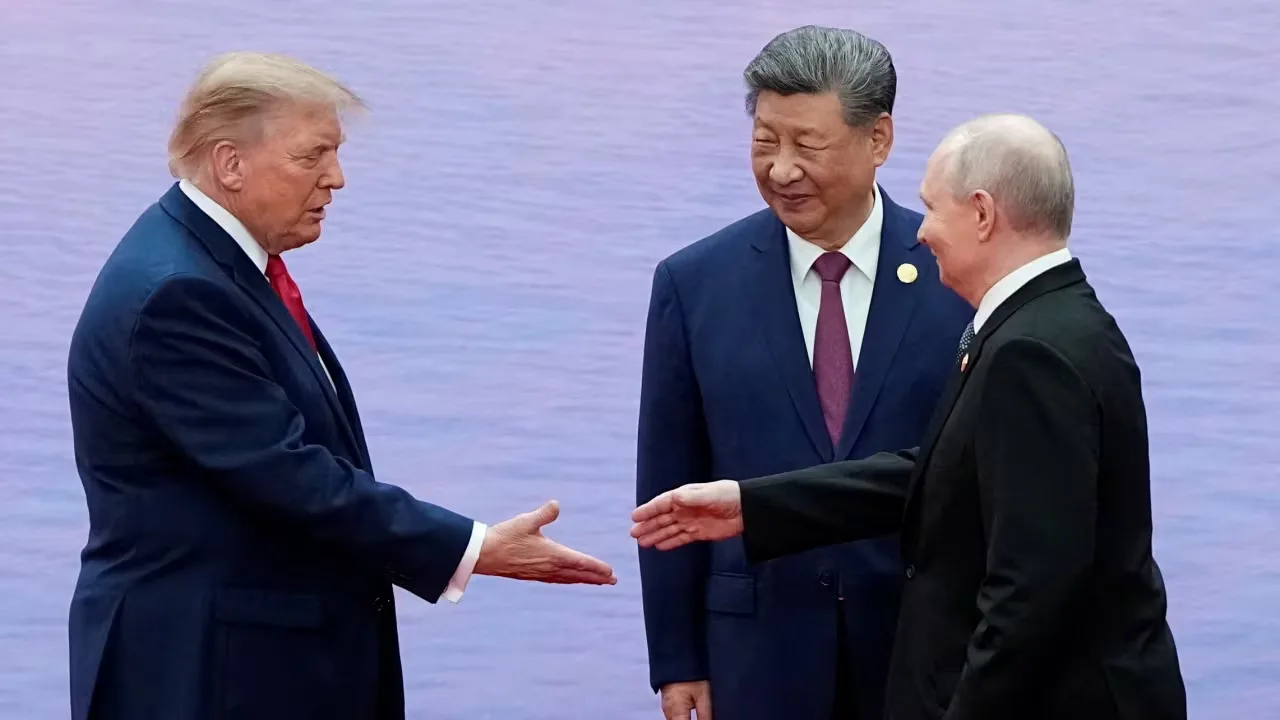
The summit in Shenzhen focused on reforming the UN and limiting the International Criminal Court's authority.
Leaders expressed a desire to increase petroleum production and supply amid ongoing sanctions on Russia.
The agreement signals a potential shift in global power dynamics and challenges established international norms.
During a trilateral summit held in Shenzhen, US President Donald Trump, Chinese President Xi Jinping, and Russian President Vladimir Putin reached a consensus on several contentious issues, primarily focusing on the need to reform global institutions. The leaders agreed to weaken the constraints imposed by entities such as the United Nations (UN) and the International Criminal Court (ICC), suggesting a shift in the post-World War II world order.
The summit, which took place on Thursday, resulted in a joint declaration that outlined key areas of concern, including the need for reforms to the UN and increased production of refined petroleum products. The leaders also addressed the ICC's authority, particularly in light of its arrest warrant against Putin regarding alleged war crimes in Ukraine. This collective stance marks a significant alignment among the three nations, despite limited progress on other pressing issues, such as nuclear weapons negotiations.
In their declaration, the leaders committed to working together to reform the UN to enhance its effectiveness in addressing global challenges. They also emphasized the importance of increasing petroleum supply for the benefit of all nations. Trump and Putin expressed gratitude to China for facilitating the summit, highlighting the collaborative spirit among the three powers.
The implications of this agreement extend beyond the current administration, as it poses a challenge to the international norms that have been in place for decades. Critics, including former Biden administration diplomat Ned Price, argue that the leaders are seeking to dismantle established rules that have historically favored liberal democratic systems. The summit's focus on energy supplies comes amid ongoing Western sanctions against Russia following its invasion of Ukraine.
While immediate changes to international institutions may not be forthcoming, analysts caution that this diplomatic shift could have long-lasting effects. The potential for the US to align with a vision that contrasts sharply with its traditional stance raises concerns about the future of global governance and the role of smaller nations in international discourse.