Trump Urges Ukraine to Seek New Leadership Amid Diesel Deal Controversy
In a significant escalation, Trump calls for Ukraine to replace Zelenskyy while criticizing ongoing strikes on Russian refineries.
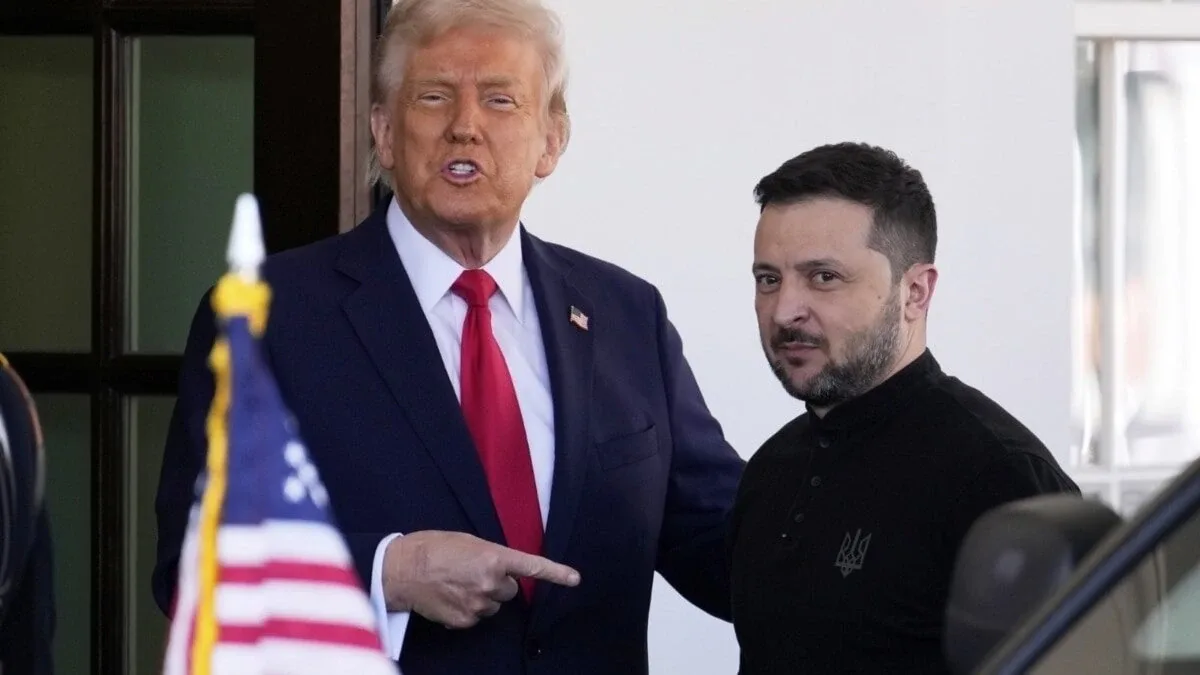
Trump demands Ukraine halt attacks on Russian oil refineries.
Zelenskyy warns that easing sanctions will prolong the war.
Recent Russian strikes in Ukraine resulted in civilian casualties.
Former President Donald Trump has called for a change in leadership in Ukraine, urging President Volodymyr Zelenskyy to cease attacks on Russian oil refineries. This statement comes as the U.S. moves forward with a controversial diesel supply arrangement with Russia, which has raised concerns in Kyiv about funding for the ongoing conflict. Trump made these remarks during a press conference at the White House, emphasizing the need for Ukraine to adopt a new leader capable of negotiating peace.
The backdrop to Trump's comments involves a growing rift between Washington and Kyiv, particularly following Trump's decision to pursue a deal with Russian President Vladimir Putin. Reports indicate that Trump opted to proceed with this arrangement after Zelenskyy ignored multiple U.S. requests to halt strikes on Russian refineries. This deal has sparked outrage in Ukraine, with Zelenskyy asserting that it would provide Russia with the financial means to extend its military operations.
According to sources familiar with the discussions, Trump has expressed that Ukrainian attacks on Russian refineries are detrimental not only to Russia but also to American consumers, as they contribute to rising fuel prices in the U.S. Trump reportedly did not view the strikes as comparable to Russia's attacks on Ukraine's infrastructure. The U.S. administration is concerned that continued Ukrainian strikes could exacerbate fuel costs for American citizens.
The implications of this dispute are significant, as it complicates diplomatic efforts to resolve the ongoing war. U.S. envoys have warned Ukrainian officials that continued defiance against the U.S. position could jeopardize intelligence support from Washington. Meanwhile, Zelenskyy has criticized the diesel deal, labeling it a 'gift' to Russia that would allow Moscow to sustain its military campaign and inflict further harm on Ukrainian civilians.
Looking ahead, the situation remains tense as both sides navigate their positions. Trump is expected to engage in discussions with Putin, while Zelenskyy continues to advocate for a strategy that prevents Russia from benefiting financially from eased sanctions. The outcome of these negotiations will be crucial in determining the future of U.S.-Ukraine relations and the broader conflict in the region.