Trump Dismisses Iran's Truce Proposal Amid Ongoing Tensions
US President Donald Trump has rejected Iran's latest proposal for a truce, citing demands for sanctions relief as a barrier to negotiations.
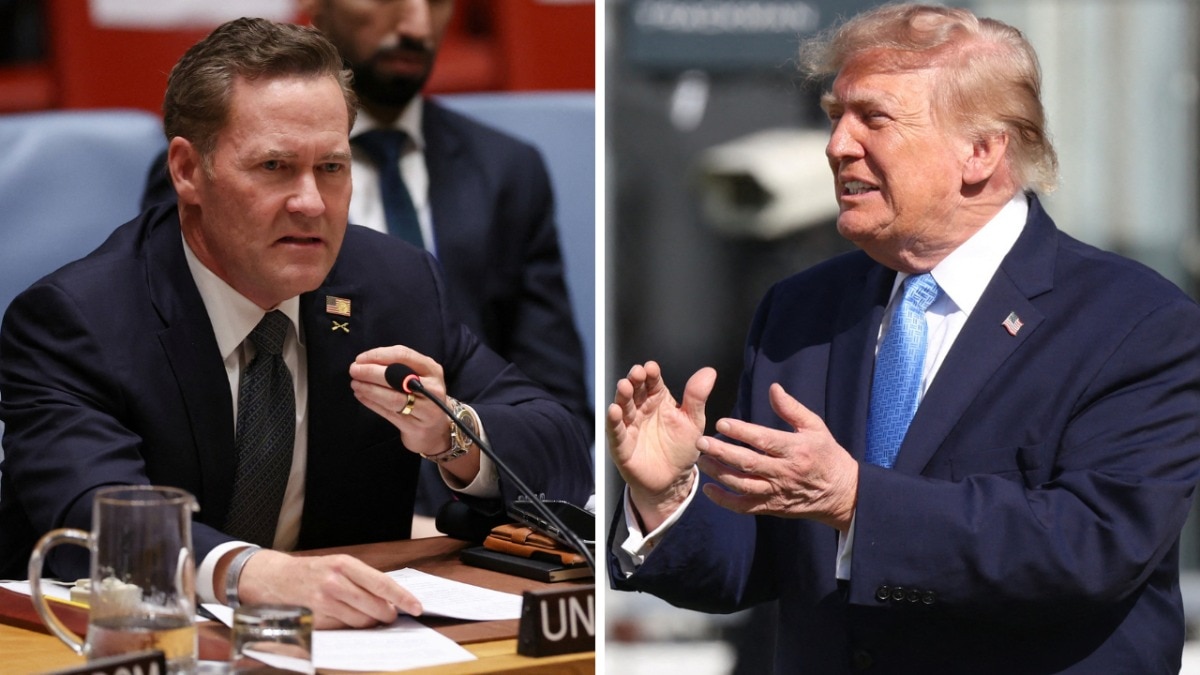
Trump declined Iran's request for sanctions relief before talks.
Iran insists on conditions for reopening the Strait of Hormuz.
Diplomatic channels remain open, with potential talks planned for this week.
In a significant diplomatic development, US President Donald Trump has turned down Iran's recent proposal aimed at establishing a truce, primarily due to Tehran's demands for sanctions relief and other concessions prior to engaging in substantive negotiations. This rejection was articulated by US Ambassador to the United Nations, Mike Waltz, during an interview on CNN's State of the Union, where he emphasized that the Iranian negotiators were looking for upfront guarantees without committing to the cessation of their nuclear program.
The backdrop to this rejection includes ongoing tensions surrounding the Strait of Hormuz, a critical maritime passage that has been a focal point of conflict. Iran's proposal included reopening the strait and resuming nuclear discussions within a week, contingent upon the lifting of the US naval blockade and sanctions relief affecting its oil exports. Trump dismissed these terms, asserting that Iran's request was a sign of their weakened position under US pressure.
Waltz highlighted the lack of trust from the US side, referencing a previous agreement that Iran allegedly violated by attacking international shipping. He noted that the Trump administration seeks assurances that any negotiations would lead to the dismantling of Iran's nuclear capabilities, which they believe Iran is not negotiating in good faith.
Despite the rejection, Iranian officials maintain that diplomacy is still a viable option. Iranian Foreign Minister Abbas Araghchi reiterated that their conditions for reopening the Strait of Hormuz remain unchanged and emphasized the necessity of negotiations to resolve the ongoing deadlock. He stated that Iran is prepared for renewed conflict but is also open to diplomatic solutions, urging Trump to make a choice regarding future talks.
Looking ahead, Trump indicated that the door for further discussions is not closed, with expectations of renewed talks between US and Iranian negotiators this week. Mediators from Qatar and other regional players are reportedly working to bridge the gaps between the two nations. Trump also mentioned the possibility of military action remains on the table, reflecting the precarious nature of US-Iran relations as they navigate these complex negotiations.