Quad Leaders Finalize Critical Minerals Agreements in Manila
At a pivotal meeting in Manila, Quad leaders, including US President Trump, secure agreements to enhance critical minerals supply chains.
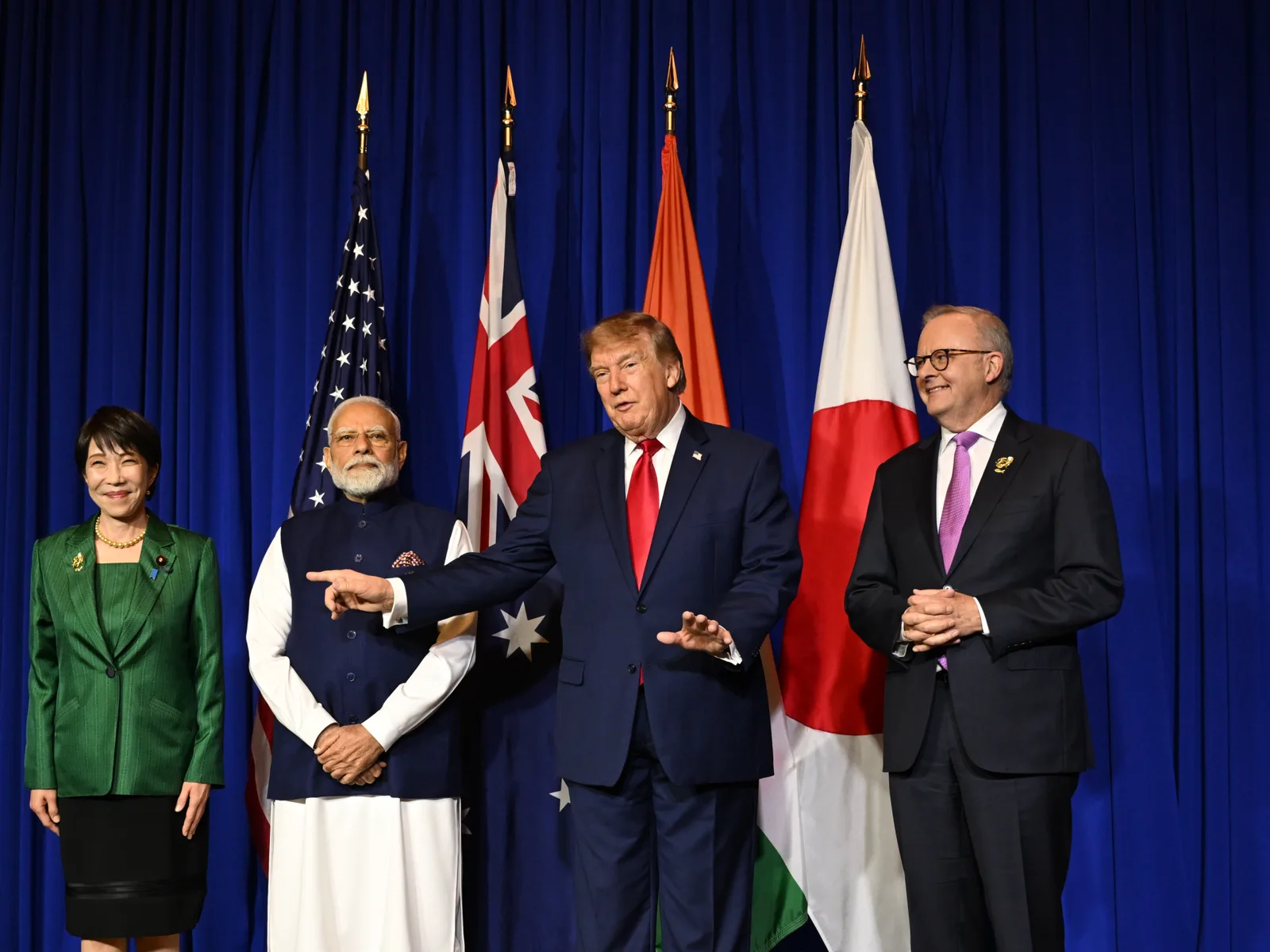
Agreements aim to prevent reliance on a single foreign supplier for critical minerals.
Trump claims the US will achieve self-sufficiency in rare earths within 10 months.
The Quad expresses concerns over economic coercion, particularly regarding China's export restrictions.
During a significant meeting in Manila, US President Donald Trump announced that the Quad nations have reached agreements focused on securing supply chains for critical minerals. This gathering included Indian Prime Minister Narendra Modi, Australian Prime Minister Anthony Albanese, and Japanese Prime Minister Sanae Takaichi, marking a crucial step in enhancing regional cooperation in the Indo-Pacific.
The agreements are designed to mitigate the risk of coercion from any single foreign supplier, a clear reference to the current geopolitical tensions surrounding critical mineral supplies. While Trump did not explicitly name China, the country is known to dominate the global market for rare earth elements, which are essential for various technologies, including electric vehicles and smartphones. Trump emphasized that the US would achieve significant production levels of rare earths within the next ten months, indicating a strategic shift towards self-reliance.
In the wake of the leaders' discussions, the Quad issued a statement expressing serious concerns over economic coercion, particularly in light of China's recent restrictions on rare earth exports. These measures have significantly impacted Japan, which has faced a near-total halt in critical mineral imports from China for almost a year, exacerbating tensions between the two nations. The statement, while not naming any specific country, reflects the growing unease among Quad members regarding supply chain vulnerabilities.
The implications of these agreements extend beyond immediate economic concerns, potentially reshaping the dynamics of international trade in critical minerals. As the US and its allies seek to reduce dependency on China, the agreements could lead to increased collaboration among Quad nations and foster a more resilient supply chain framework. This move is seen as vital for maintaining technological competitiveness and national security in an increasingly interconnected world.
Looking ahead, the Quad leaders' meeting signals a renewed commitment to cooperation in the Indo-Pacific region. As Trump continues his Asia tour, which includes participation in the ASEAN summit and discussions with leaders from China and Russia, the outcomes of these engagements will likely influence future policies regarding trade and security in the region. The focus on critical minerals is expected to remain a priority, as the Quad seeks to bolster its collective economic resilience against external pressures.