Trump Declares 'Decision Time' for Iran Ahead of Midterms
In a recent interview, Trump emphasized the urgency of negotiating with Iran or potentially escalating military actions as midterm elections approach.
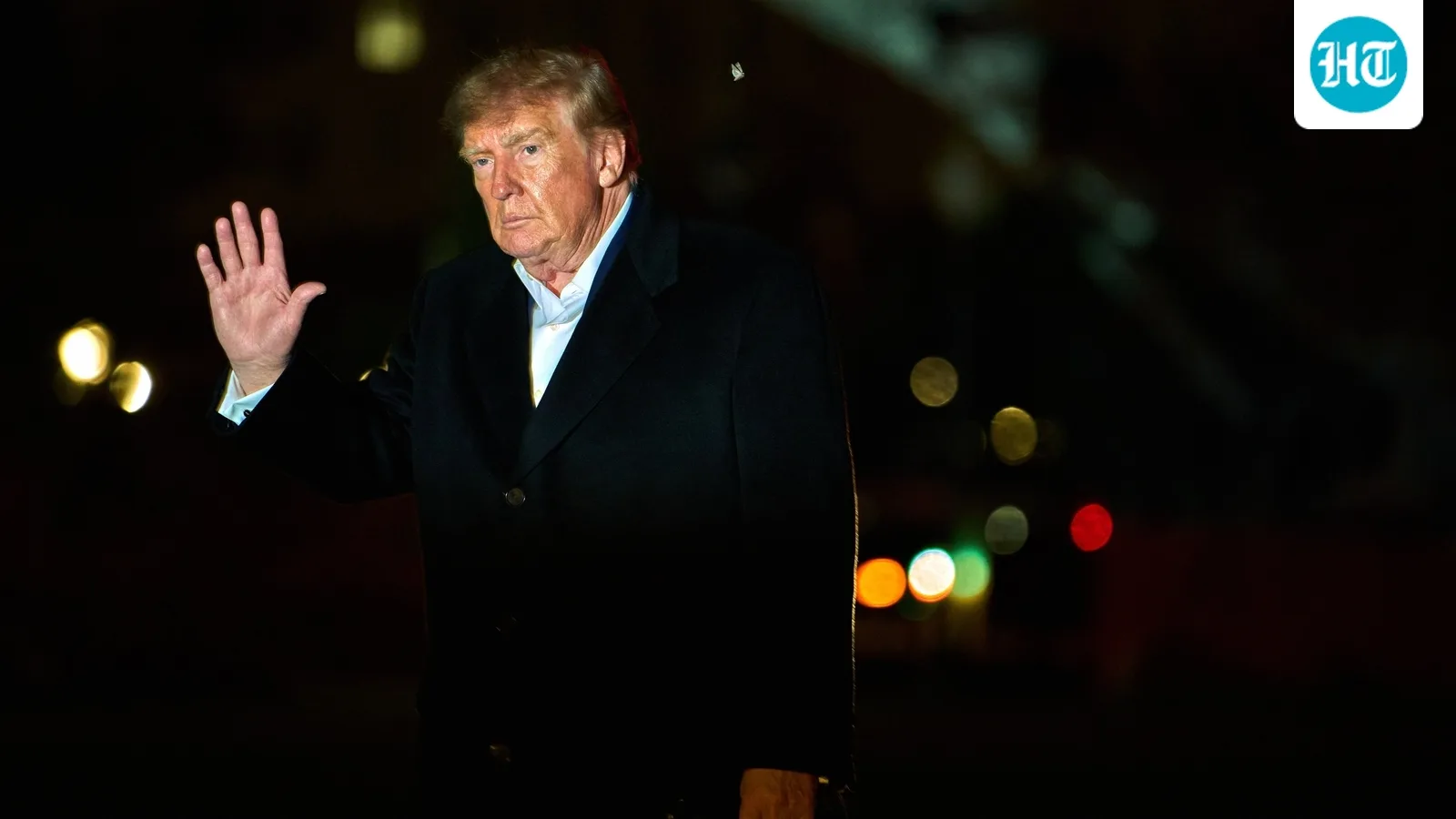
Trump indicates a critical choice between negotiating with Iran or military action.
Iran denies proposals for reopening the Strait of Hormuz amid rising tensions.
US intelligence warns of increased threats against American diplomats from Iran.
In a significant statement on Sunday, President Donald Trump declared it is 'decision time' for Iran, as he weighs the options of negotiating a deal or escalating military actions. This declaration comes as tensions rise due to threats from Iranian forces and their allies against American interests in the Middle East, particularly concerning the strategic Strait of Hormuz.
Historically, the Strait of Hormuz has been a vital passage for global oil shipments, and any disruption could have far-reaching economic implications. Trump noted that while Iran has shown interest in reaching an agreement regarding the Strait, he expressed skepticism about Tehran's commitment to any terms. He emphasized the importance of maintaining control over this crucial waterway, stating, 'They get nothing. We get everything.'
In his remarks, Trump highlighted the potential costs of military action, suggesting that rising gas prices would be a 'small price to pay' to prevent Iran from acquiring nuclear weapons. He asserted that the US has comprehensive surveillance over Iran's nuclear facilities, stating, 'We have every nuclear site under watch.' He warned that any suspicious activities would be met with a decisive response.
The implications of Trump's statements extend beyond US-Iran relations, as they also reflect the broader geopolitical landscape in the region. Israeli Prime Minister Benjamin Netanyahu has echoed Trump's sentiments, indicating a willingness to take military action against Iran following the upcoming elections. The situation is further complicated by reports from US intelligence agencies, which suggest that Iran has intensified efforts to target American diplomats, prompting the State Department to reduce staffing at several embassies in the Middle East.
Looking ahead, the midterm elections on November 3 could significantly influence US foreign policy decisions regarding Iran. As military assets are deployed to the Persian Gulf, the potential for renewed conflict looms large. The international community remains watchful as negotiations and military posturing continue, with the outcome likely to shape the future of US-Iran relations and regional stability.