Trump Administration Abandons Business Incentives for Russia
The Trump administration has reportedly dropped plans to leverage business deals to encourage Russia to cease its aggression in Ukraine.
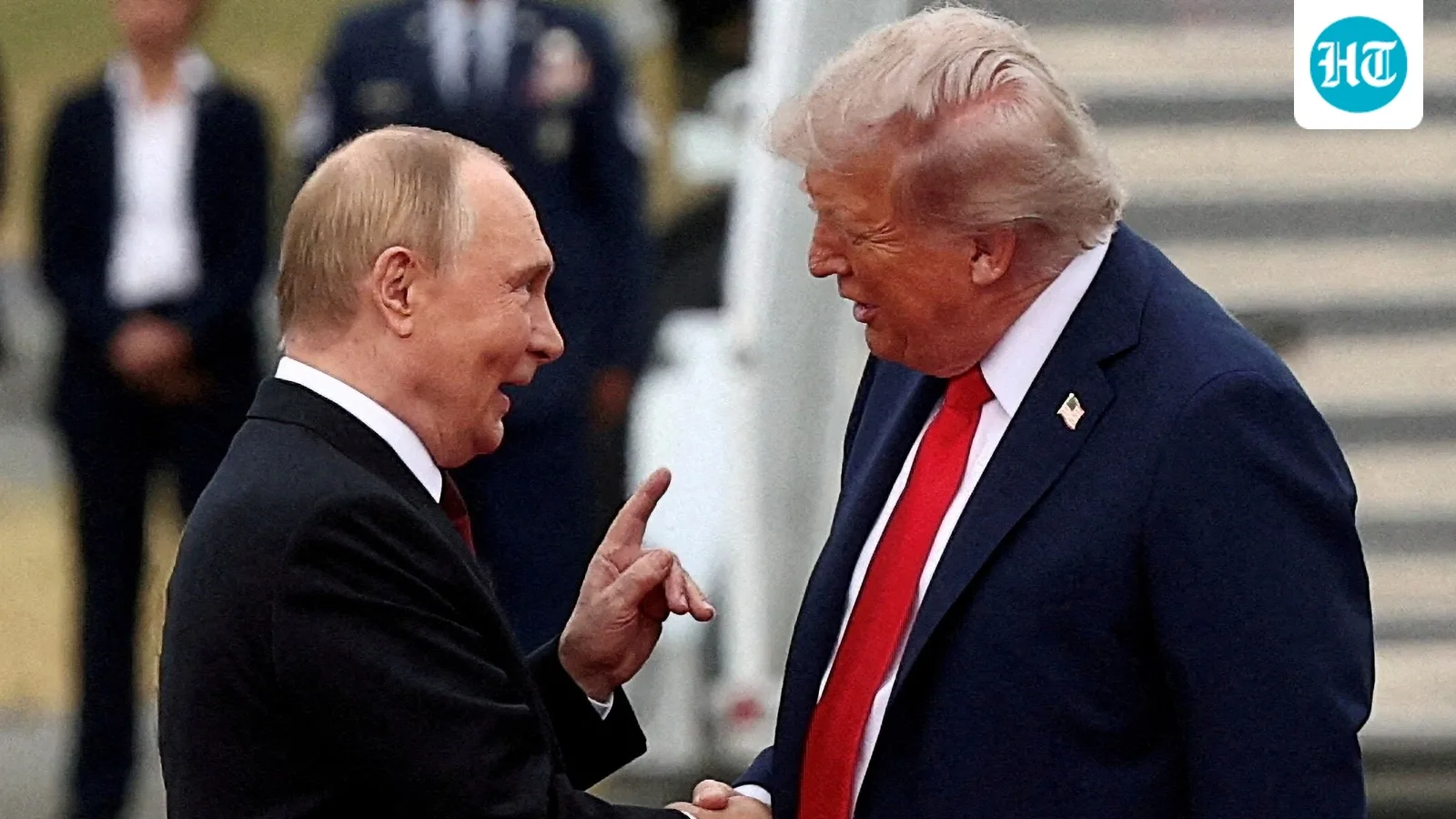
Plans for corporate partnerships with Russia have been shelved.
Discussions included potential investments in Russia's oil and gas sectors.
Russian interest in these proposals has waned significantly.
The Trump administration has reportedly decided to abandon its strategy of using business partnerships as a means to persuade Russia to end its ongoing conflict with Ukraine. This development comes as U.S. presidential envoys Steve Witkoff and Jared Kushner informed European officials that such corporate collaborations would no longer be a focal point in negotiations with Moscow, according to a report by the Financial Times.
Historically, the U.S. had considered economic cooperation as a potential pathway to mend relations with Russia and encourage negotiations for peace. The proposals included enticing Russia with economic benefits in exchange for concessions regarding the war. However, Russia's persistent demands for territorial concessions from Ukraine have complicated these efforts, leading to Kyiv's rejection of Moscow's terms.
The discussions had initially included opportunities for American companies to invest in various sectors of the Russian economy, such as oil and titanium production. Kushner was actively involved in exploring these avenues, including the prospect of American investment in the Nord Stream gas pipeline, which had previously transported Russian gas to Germany. Despite initial interest from Russian officials, their enthusiasm for these proposals has reportedly diminished over time, as one official noted that it became clear Russia was not interested in such arrangements.
This shift in strategy follows a recent meeting on November 19, where Trump, Putin, and Chinese leader Xi Jinping discussed the Ukraine conflict. Although Trump expressed a desire for a peaceful resolution, the meeting did not yield any significant progress. The Trump administration had previously attempted to ease sanctions on Russian fuel exports to facilitate a potential economic partnership, but this approach has faced challenges amid the ongoing conflict.
Looking ahead, the U.S. will need to reassess its diplomatic and economic strategies regarding Russia, especially in light of the continued hostilities in Ukraine. The abandonment of these business proposals may signal a need for a more robust and direct approach to address the complexities of the situation and seek a resolution that aligns with international interests.