Tensions Escalate as Bangladesh Police Clash with Garment Workers Over Wage Protests
Protests erupt in Bangladesh as garment workers demand higher wages, leading to violent clashes with police.
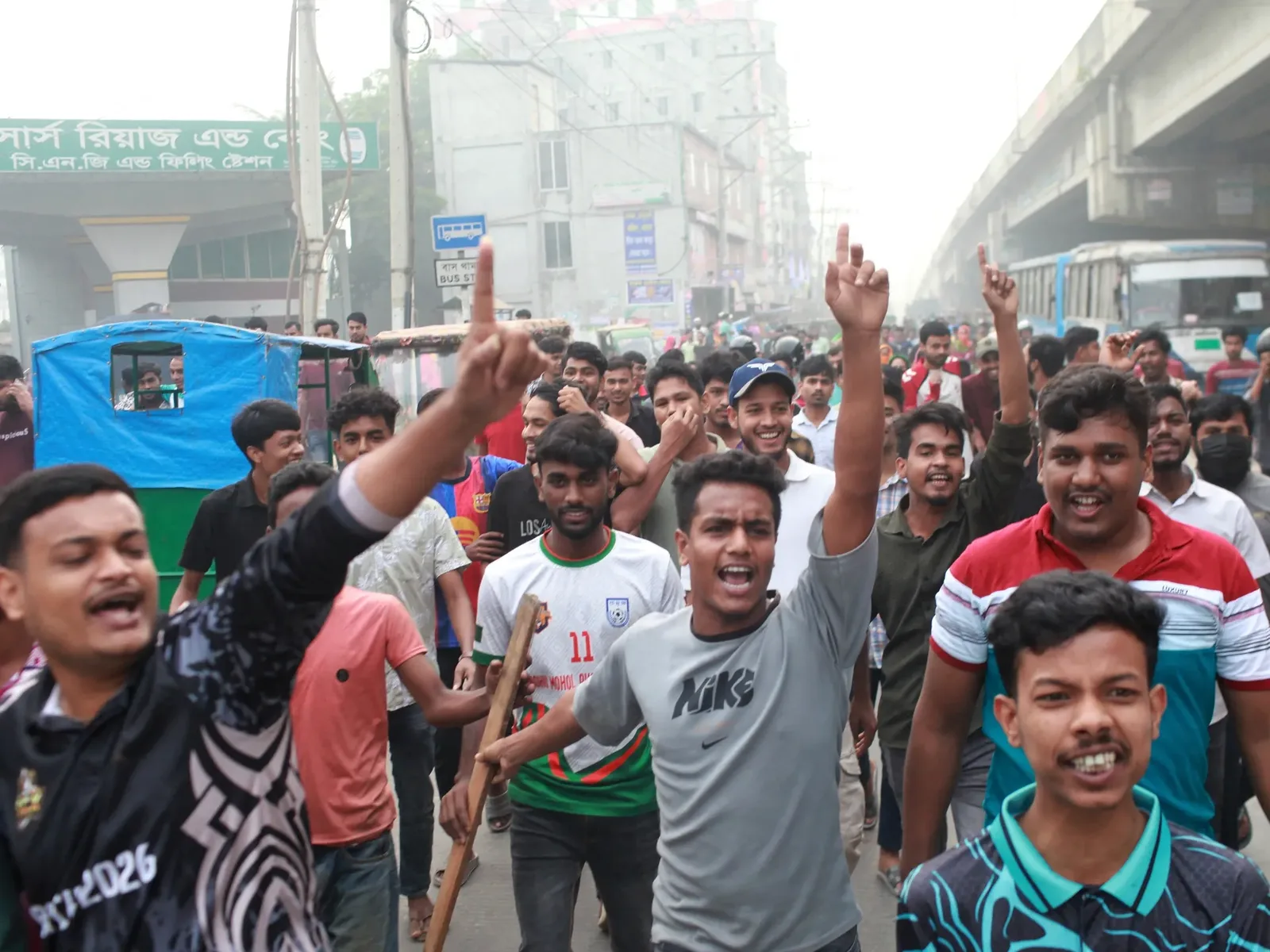
Thousands of garment workers protested in Dhaka, demanding a wage increase to 30,000 taka.
The wage board meeting was postponed, exacerbating tensions and leading to clashes with police.
Around 500 garment factories are currently shut down due to ongoing protests.
In a significant escalation of unrest, Bangladeshi police clashed with thousands of garment workers on November 17, 2026, during protests demanding an increase in minimum wages. The demonstrations took place in Gazipur, on the outskirts of Dhaka, where protesters blocked the main highway connecting the capital to the financial district of Mymensingh. The situation turned violent as workers hurled bricks and set vehicles ablaze, prompting police to respond with tear gas and stun grenades.
The protests were sparked by the postponement of a crucial wage board meeting, which was intended to address the workers' demands for a minimum monthly wage of 30,000 taka ($240), a substantial increase from the current 12,500 taka. This unrest has been building since last month, fueled by rising costs of living, including food, housing, and healthcare. The garment industry, which is vital to Bangladesh's economy, generating $38 billion annually and employing over four million people, is facing significant disruptions as approximately 500 out of the country's 4,500 garment factories have been forced to shut down.
Workers expressed frustration over the lack of responsiveness from factory owners regarding their wage demands. A 24-year-old worker named Khanom stated, "The owners seem unwilling to meet our salary demands. They are already dragging their feet." The ongoing unrest has led to heightened tensions in key garment manufacturing areas, including Savar and Ashulia, where many factories are located.
The government established a wage board earlier this month to facilitate negotiations between employers and workers, but the recent postponement of a meeting due to a member's illness has further inflamed the situation. The next meeting is scheduled for November 23, and workers are anxious about whether their concerns will be adequately represented in the revised wage proposal. Despite most factories opening on Tuesday morning, many were forced to close as protests intensified.
In response to the escalating protests, Border Guard Bangladesh (BGB) has increased patrols in the industrial zones, deploying hundreds of personnel and utilizing drones and body-worn cameras to monitor the situation. The BGB stated that it is closely observing the developments to ensure safety and order in the region as tensions remain high among workers demanding fair wages.