Bilkis Bano Reacts to Supreme Court's Suspension of Convict Sentences
Bilkis Bano expresses shock over the Supreme Court's decision to suspend the sentences of her attackers, citing a lack of communication.
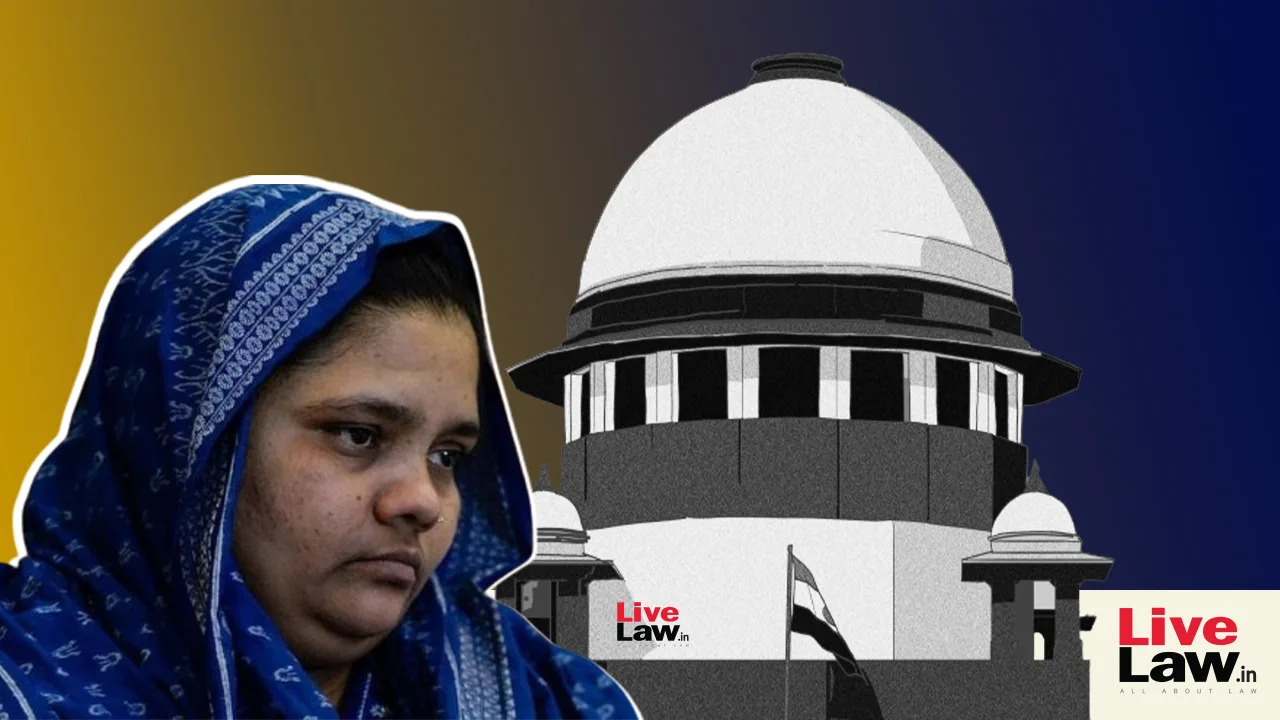
Bilkis Bano was not informed about the Supreme Court's order suspending the sentences of her attackers.
The Supreme Court suspended the sentences citing the convicts' long incarceration and other factors.
Bano vows to continue her fight for justice for herself and other survivors.
Bilkis Bano has publicly expressed her shock and disbelief regarding the Supreme Court's recent decision to suspend the life sentences of two men convicted of gang-raping her and murdering her family members during the 2002 Gujarat riots. The order, issued on October 28, came as a surprise to Bano, who stated that she was not informed or given an opportunity to voice her concerns before the ruling was made. She learned about the decision through media reports, which has left her feeling marginalized in a process that directly affects her life.
Reflecting on the traumatic events of 2002, when she was just 19 years old, Bano recounted how the violence tore apart her family and shattered her sense of security. Over the past 24 years, she has fought tirelessly for justice, often drawing strength from the support of the community. Despite having rebuilt her life with the help of family and friends, the Supreme Court's latest ruling has reignited her fears and uncertainties about the justice system.
In her statement, Bano questioned the rationale behind the court's decision to grant relief to the convicts without consulting her. She expressed her frustration, stating, "I still cannot believe that once again, for the second time, an order has been passed by the Supreme Court without calling me up and without hearing me." Bano emphasized her determination to contest the ruling, not only for herself but also for her children and other survivors of violence, asserting that no one should have to endure a lifetime struggle for justice.
The two men whose sentences were suspended, Bipinchand Kanaiyalal Joshi and Pradip Ramanlal Modhiya, had been incarcerated for over 17 years. The Supreme Court, led by Justices MM Sundresh and PB Varale, cited their long imprisonment and the health issues of one convict as factors in their decision. The legal representation for the convicts argued for their release, while the Additional Solicitor General opposed the plea, highlighting the gravity of the crimes committed.
The implications of this ruling extend beyond Bano's personal struggle, raising concerns about the broader justice system's treatment of survivors of violence. With the Gujarat government's earlier decision to grant remission to 11 convicts being overturned by the Supreme Court in January 2024, the ongoing legal battles highlight the complexities and challenges faced by survivors seeking justice. Bano's commitment to continue her fight underscores the need for systemic change to ensure that survivors are heard and supported in their quest for justice.