Taiwan's DPP Achieves Major Local Election Wins Amidst China's Claims
Taiwan's ruling Democratic Progressive Party secures significant victories in local elections, prompting China's insistence on 'reunification'.
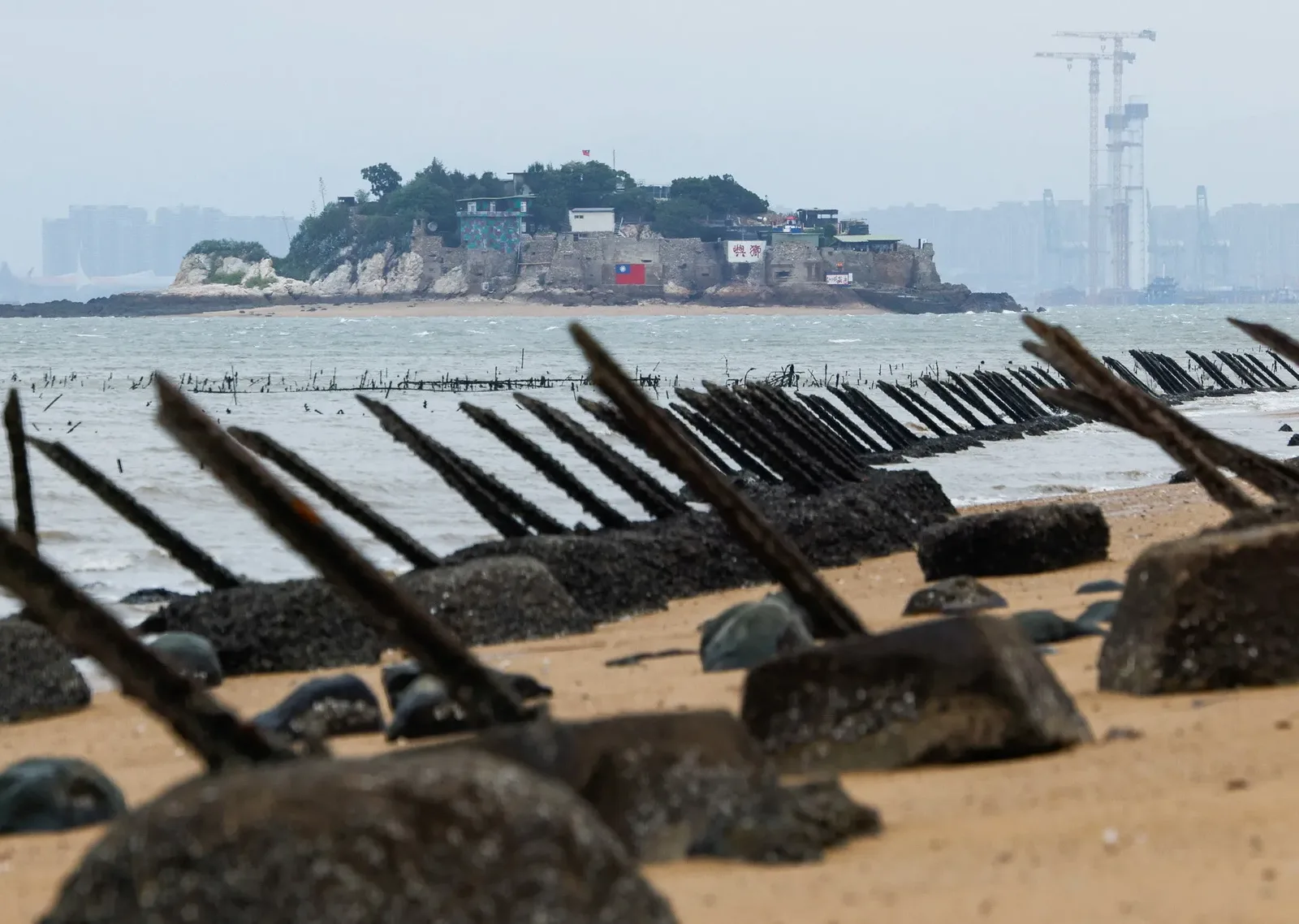
The DPP won 10 out of 22 mayoral and county leadership positions, doubling its previous count.
China asserts that Taiwan's political shifts will not alter its claim over the island.
Taiwan's government urges Beijing to engage in constructive dialogue following the election results.
In a significant political development, Taiwan's ruling Democratic Progressive Party (DPP) achieved a remarkable victory in local elections, securing 10 out of 22 mayoral and county leadership positions. This outcome, which marks a doubling of their previous tally, has drawn a strong response from China, which continues to assert its claim over Taiwan. The elections, held on November 28, 2026, are seen as a precursor to the upcoming presidential elections in 2028.
China's Taiwan Affairs Office responded to the DPP's electoral success by reiterating its stance on 'reunification', stating that changes in Taiwan's political landscape would not impact its claims. The office emphasized that public sentiment in Taiwan favors peace and cooperation across the Taiwan Strait, despite the DPP's strong showing. Beijing's statement reflects its ongoing strategy to counter any movements toward independence in Taiwan, which it views as a breakaway province.
The DPP's notable gains included victories in key areas such as Taichung, where DPP legislator Ho Hsin-chun defeated the Kuomintang's Johnny Chiang, regaining control of the city after eight years. However, the Kuomintang (KMT) retained its hold on Taipei, where incumbent Mayor Chiang Wan-an won against DPP candidate Puma Shen, who has faced scrutiny from Chinese authorities. The election results indicate a shift in local governance but also highlight the ongoing complexities of cross-strait relations.
Taiwan's Mainland Affairs Council has called on Beijing to adopt a pragmatic approach in light of the election results, advocating for dialogue with Taiwan's democratically elected government. This call for engagement comes as Taiwan's Defence Ministry reported increased military activity from China, tracking numerous military aircraft and naval vessels around the island. Such actions have raised concerns about regional stability and the potential for conflict.
Looking ahead, the DPP's electoral performance may influence the political landscape as Taiwan approaches its presidential elections in 2028. The party's success could bolster its position against the backdrop of rising tensions with China, which has consistently refused to engage with Taiwan's leadership. As both sides navigate this complex relationship, the emphasis on dialogue and understanding remains crucial for maintaining peace in the region.