Survivors Demand Action Following Latest Train Collision in Spain
Survivors of Spain's deadliest train crashes are urging immediate safety reforms after a recent collision left 69 dead.
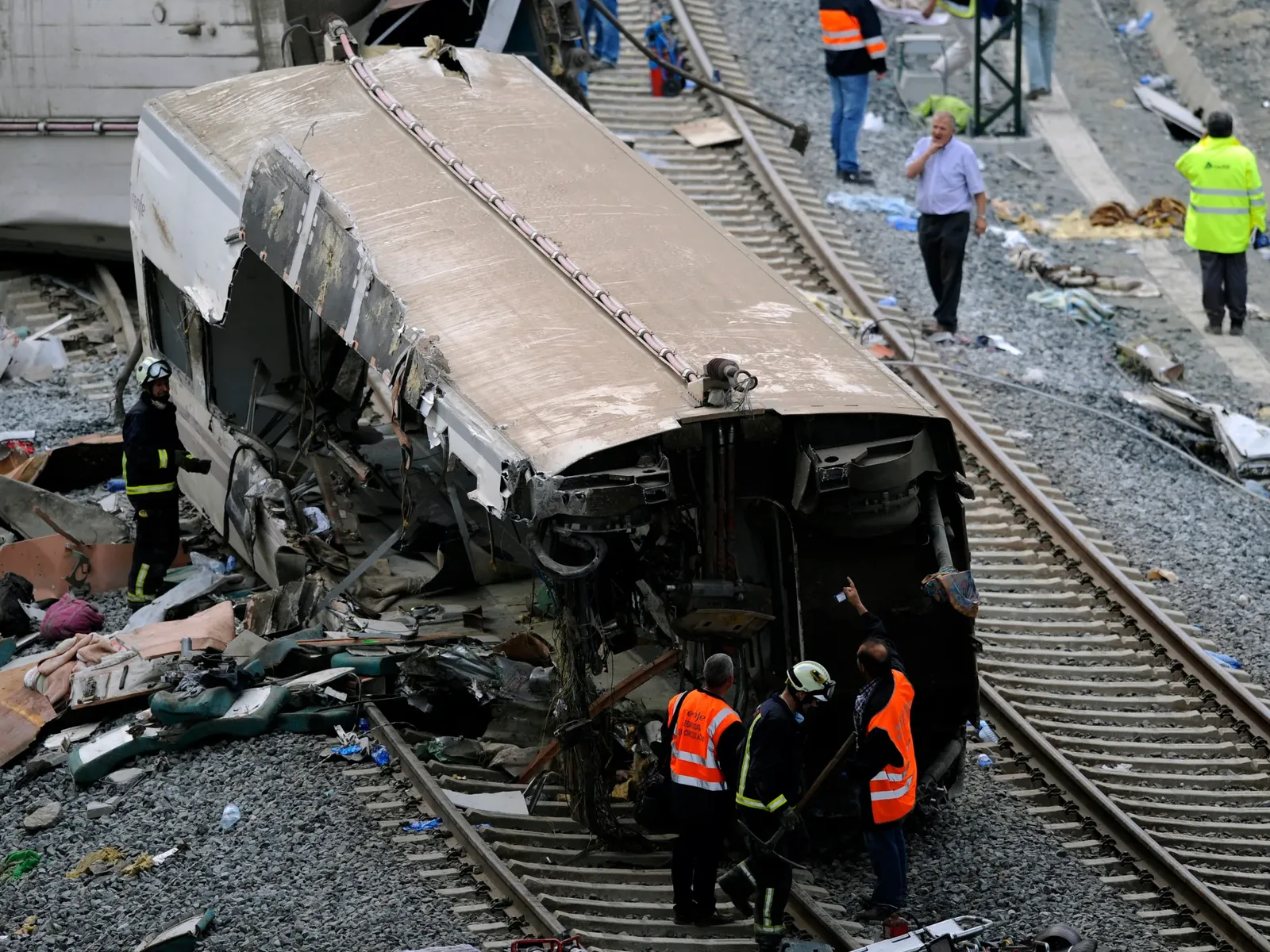
Recent train crash near Urda resulted in 69 fatalities.
Survivors emphasize the need for improved rail safety measures.
Experts call for increased investment in maintenance of high-speed rail infrastructure.
In a tragic reminder of Spain's rail safety issues, a recent collision between two trains near Urda has claimed the lives of at least 69 individuals. This incident, occurring just 10 months after another deadly crash in Adamuz, has reignited calls from survivors and experts alike for urgent reforms in the country's rail safety protocols. Survivors of previous disasters are particularly vocal, expressing their concerns over the repeated failures in ensuring passenger safety.
The latest crash is reminiscent of the catastrophic 2013 derailment in Angrois, which resulted in 80 deaths and remains the deadliest rail accident in Spain's history. Survivors like Cristobal Gonzalez, who endured severe injuries in the Angrois disaster, are haunted by their experiences and are advocating for significant changes to prevent future tragedies. Gonzalez highlighted that the recent accidents reflect systemic issues within the rail network, including human error and inadequate safety measures.
Investigations into the recent crashes have revealed alarming trends. The Adamuz incident was attributed to a broken rail, while the Urda collision is suspected to involve human error and failures in the control system. Experts argue that Spain's investment in rail maintenance has been insufficient, with only 16% of the budget allocated to upkeep, compared to higher percentages in other European nations. This lack of focus on maintenance is seen as a critical factor contributing to the recent accidents.
The implications of these crashes extend beyond immediate loss of life, raising concerns about public trust in the rail system. With approximately 40 million passengers using high-speed trains in 2024, the demand for safe and reliable transport is paramount. Survivors and rail safety advocates are urging the government to prioritize infrastructure upgrades and maintenance to ensure the safety of millions of travelers.
Looking ahead, the future of Spain's rail safety hangs in the balance. Experts are calling for a comprehensive review of the rail network, particularly the outdated LZB control system used on the Madrid-Seville line. As investigations continue, it remains crucial for policymakers to address these safety concerns and implement necessary reforms to prevent further tragedies on Spain's railways.