Delhi Implements GRAP-1: Restrictions on Vehicles and Construction Amid Poor Air Quality
The Commission for Air Quality Management has activated GRAP-1 in Delhi, imposing strict regulations as air quality deteriorates.
GRAP-1 restrictions are enforced when AQI is between 201 and 300.
Older diesel and petrol vehicles are banned from operation.
Construction activities must adhere to strict dust control measures.
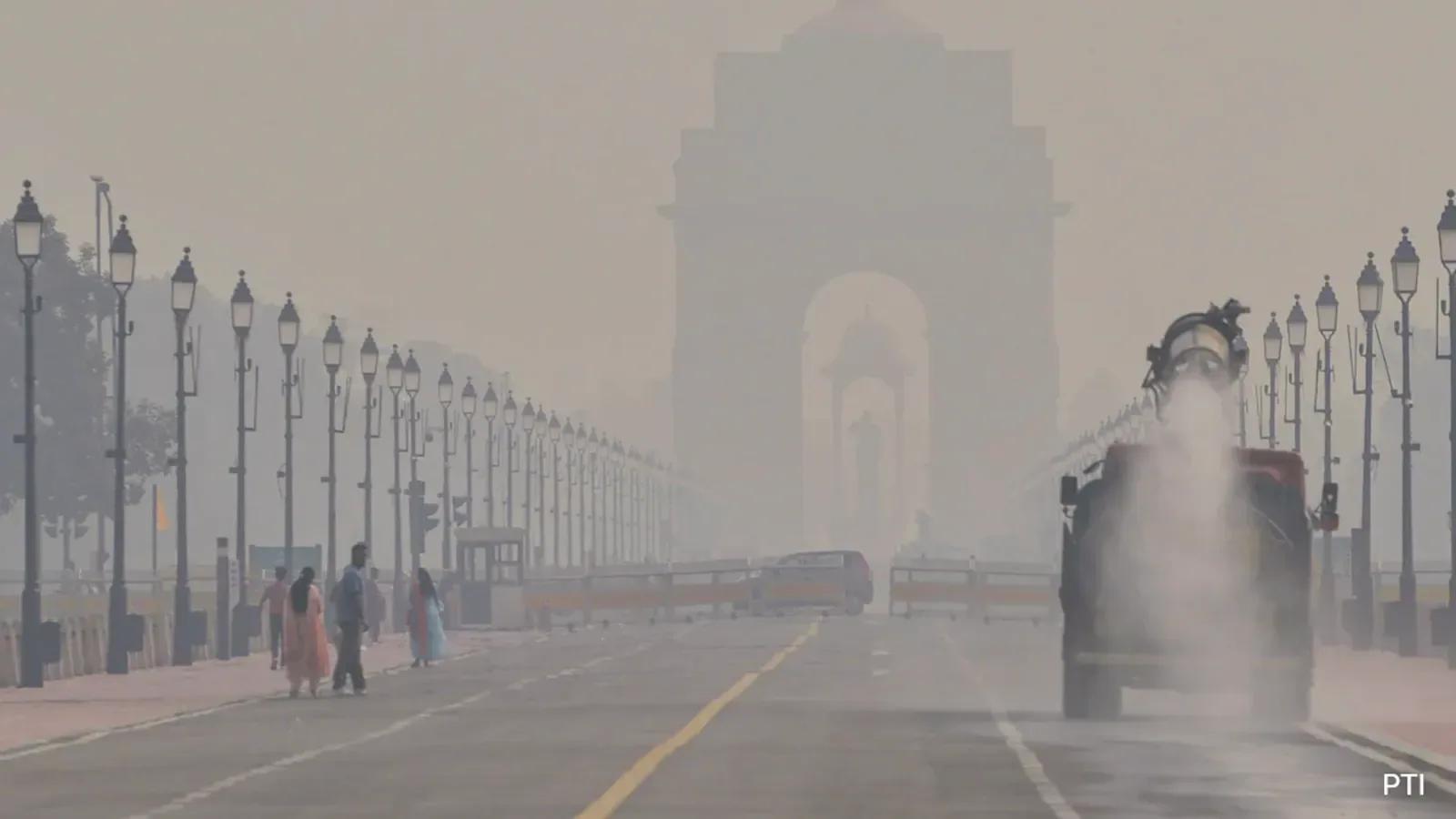
In response to deteriorating air quality, the Commission for Air Quality Management (CAQM) has activated Stage 1 of the Graded Response Action Plan (GRAP) in Delhi and the National Capital Region (NCR). This decision was made on Wednesday after the Air Quality Index (AQI) reached a 'poor' level of 244 at 2 PM, marking the onset of seasonal pollution in the capital.
The GRAP framework categorizes air quality into four stages, with GRAP-1 being triggered when the AQI falls between 201 and 300. The subsequent stages impose increasingly stringent restrictions, with GRAP-2 applying to AQI levels of 301 to 400, GRAP-3 for 401 to 450, and GRAP-4 for levels exceeding 450. The implementation of GRAP-1 signifies a proactive approach to combat air pollution, particularly as the winter months approach.
Under GRAP-1, several key restrictions have been introduced. Diesel vehicles older than ten years and petrol vehicles older than fifteen years are prohibited from operating in the NCR. Additionally, the use of coal and wood as fuel in roadside eateries and commercial kitchens is banned, mandating the use of cleaner energy sources. Regular mechanized road sweeping and water sprinkling will be conducted to mitigate dust pollution, and anti-smog guns will be deployed at construction sites to control emissions.
The implications of these restrictions are significant for residents and businesses in Delhi. With vehicular restrictions and construction activity limitations, the CAQM aims to improve air quality and public health. The measures are expected to reduce pollution levels, particularly during the peak pollution season, which typically sees a spike in respiratory issues among the population.
Looking ahead, the CAQM will closely monitor air quality levels and enforce compliance with these regulations. Further actions may be taken if the AQI worsens, potentially leading to the implementation of GRAP-2 or higher stages. Residents are advised to stay informed about air quality updates and adhere to the new regulations to ensure their health and safety during this critical period.