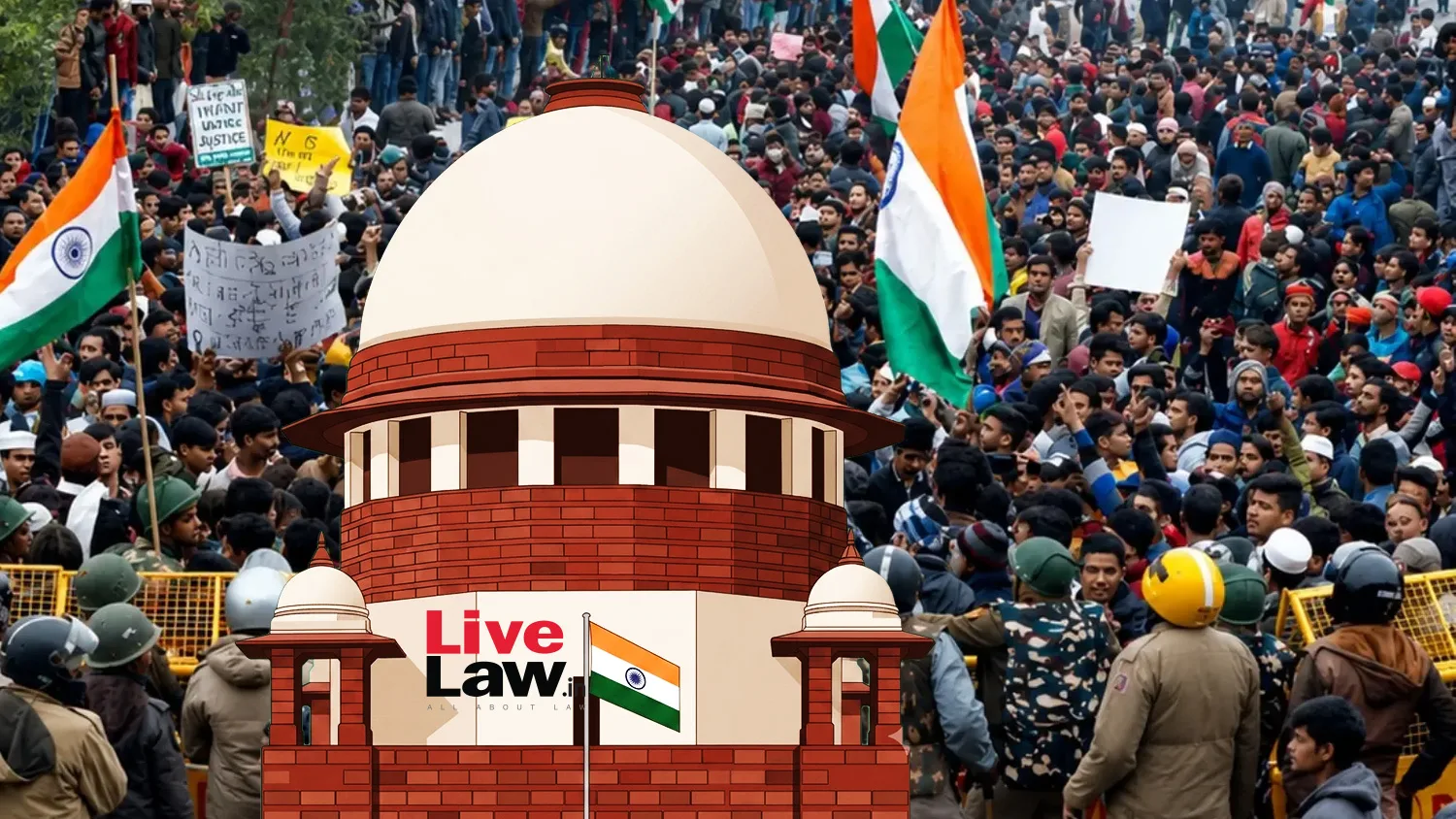
Supreme Court to Address Metro Station Closures Amid Protests on Oct. 13
The Supreme Court will hear petitions challenging the closure of metro stations in Delhi due to ongoing protests against Chief Election Commissioner Gyanesh Kumar.
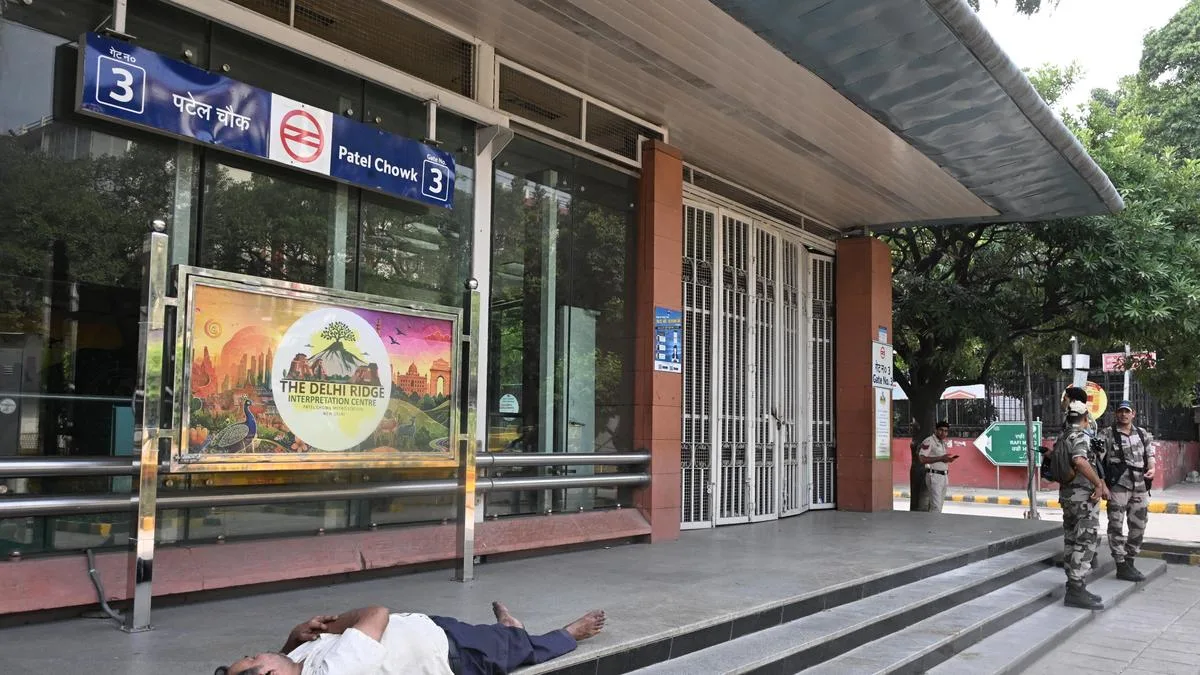
Protests against the Chief Election Commissioner have intensified, leading to metro station closures.
The Supreme Court will review petitions regarding alleged irregularities in the electoral process.
A joint press conference by opposition leaders is scheduled for October 13 to discuss protest strategies.
On October 13, 2026, the Supreme Court is set to hear petitions contesting the closure of several metro stations in Delhi, which has occurred amid significant protests against Chief Election Commissioner Gyanesh Kumar. These demonstrations have been fueled by allegations of irregularities in the electoral process, particularly concerning the Special Intensive Revision (SIR) of voter rolls.
The protests, described as a "March for Democracy," saw opposition leaders, activists, and civil society members converge on a heavily barricaded route in the national capital. They filed a joint petition highlighting concerns over large-scale voter deletions and calling for an independent audit of the SIR process, which they argue has excluded millions of eligible voters. The Supreme Court registry had previously identified multiple defects in the petitions submitted by Congress leader Rahul Gandhi and others.
In the lead-up to the court hearing, opposition leaders are expected to hold a joint press conference to strategize their approach against the alleged vote theft and to demand the resignation of Gyanesh Kumar. This press conference will take place at Rahul Gandhi's residence after the protests, emphasizing the unity of the opposition bloc in addressing electoral integrity issues.
The situation has drawn attention beyond Delhi, with protests also occurring in other regions, including Bengaluru, where police detained approximately 100 demonstrators opposing the SIR process. The protests reflect a growing discontent with the electoral management in India, as former Election Commissioners and judges have raised concerns about the current SIR methodology.
Looking ahead, the Supreme Court's decision on October 13 could have significant implications for the ongoing protests and the future of electoral processes in India. The outcome may influence public sentiment and further mobilize opposition efforts to challenge the current electoral framework, as they seek to ensure transparency and accountability in the electoral system.