Houthi Missile Strikes Riyadh Airport, Casualties Rise to 14
For the third consecutive day, Houthi forces targeted Riyadh, resulting in multiple casualties and significant disruptions to air travel.
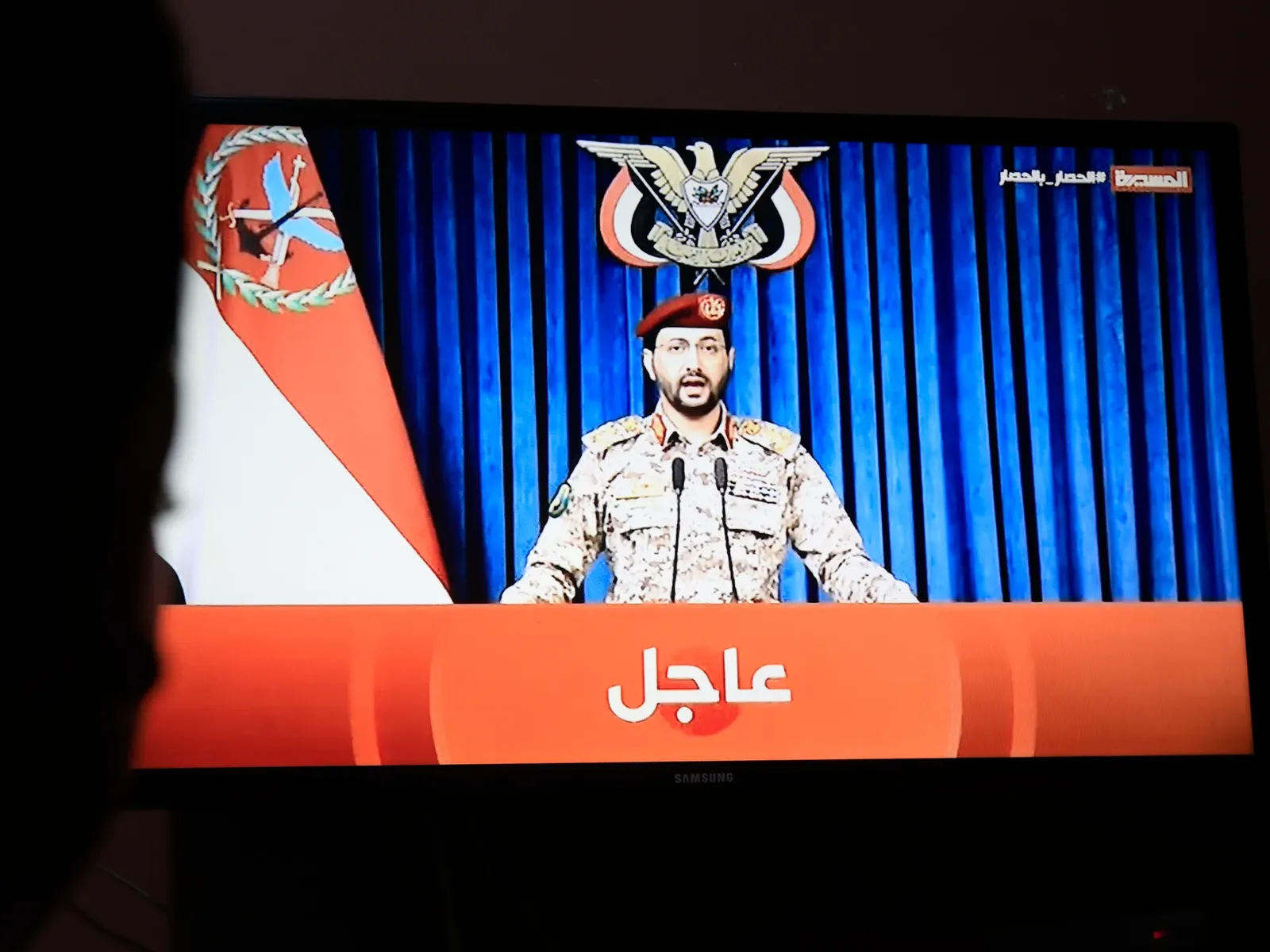
Houthi missile attacks on Riyadh have killed at least 14 people in recent days.
King Khalid International Airport remains closed following the assaults, affecting numerous flights.
Saudi authorities are investigating the failure of air defenses amid ongoing regional tensions.
In a series of escalating assaults, Houthi forces have targeted Riyadh, Saudi Arabia's capital, for the third day in a row, resulting in at least 14 fatalities and hundreds of injuries. The latest missile attack aimed at King Khalid International Airport was intercepted, but the ongoing threat has led to significant disruptions in air travel and heightened security concerns in the region.
The Houthi militia, which controls significant portions of Yemen, including its capital, Sanaa, claimed responsibility for the missile strikes. According to Houthi military spokesperson Yahya Saree, the group has been targeting the airport as part of their ongoing conflict with Saudi Arabia, which has been involved in a military campaign against the Houthis since 2015. The recent attacks come amid a backdrop of increasing regional tensions, particularly related to US and Israeli actions in the Middle East.
Saudi Arabia's coalition forces reported that they successfully intercepted multiple missiles aimed at Riyadh, with explosions being heard across the city. Residents received alerts about potential aerial threats, indicating the seriousness of the situation. The attacks have not only resulted in casualties but have also forced the closure of the King Khalid International Airport, with airlines canceling flights and travelers facing significant disruptions.
The implications of these attacks extend beyond immediate casualties, as they threaten to impact major events scheduled in Riyadh, including an important investment conference. Saudi Energy Minister Prince Abdulaziz bin Salman Al Saud emphasized the need for resilience, stating that the recent events challenge the kingdom's stability and its Vision 2030 economic diversification plan. An investigation is underway to determine why air defenses failed to prevent the missile strikes, with initial findings suggesting a coordinated attack involving drones and missiles.
Looking ahead, the situation remains fluid, with the potential for further escalations. The Saudi government is under pressure to enhance its defense capabilities, while the Houthis have warned of retaliation against any US involvement in the conflict. The international community is closely monitoring developments, as the ongoing violence poses risks not only to regional stability but also to global oil markets and diplomatic relations in the area.