Supreme Court Restores Eviction Order After 40 Years
In a landmark ruling, the Supreme Court of India reinstated an eviction order for a landlord after a lengthy 40-year dispute with a tenant.
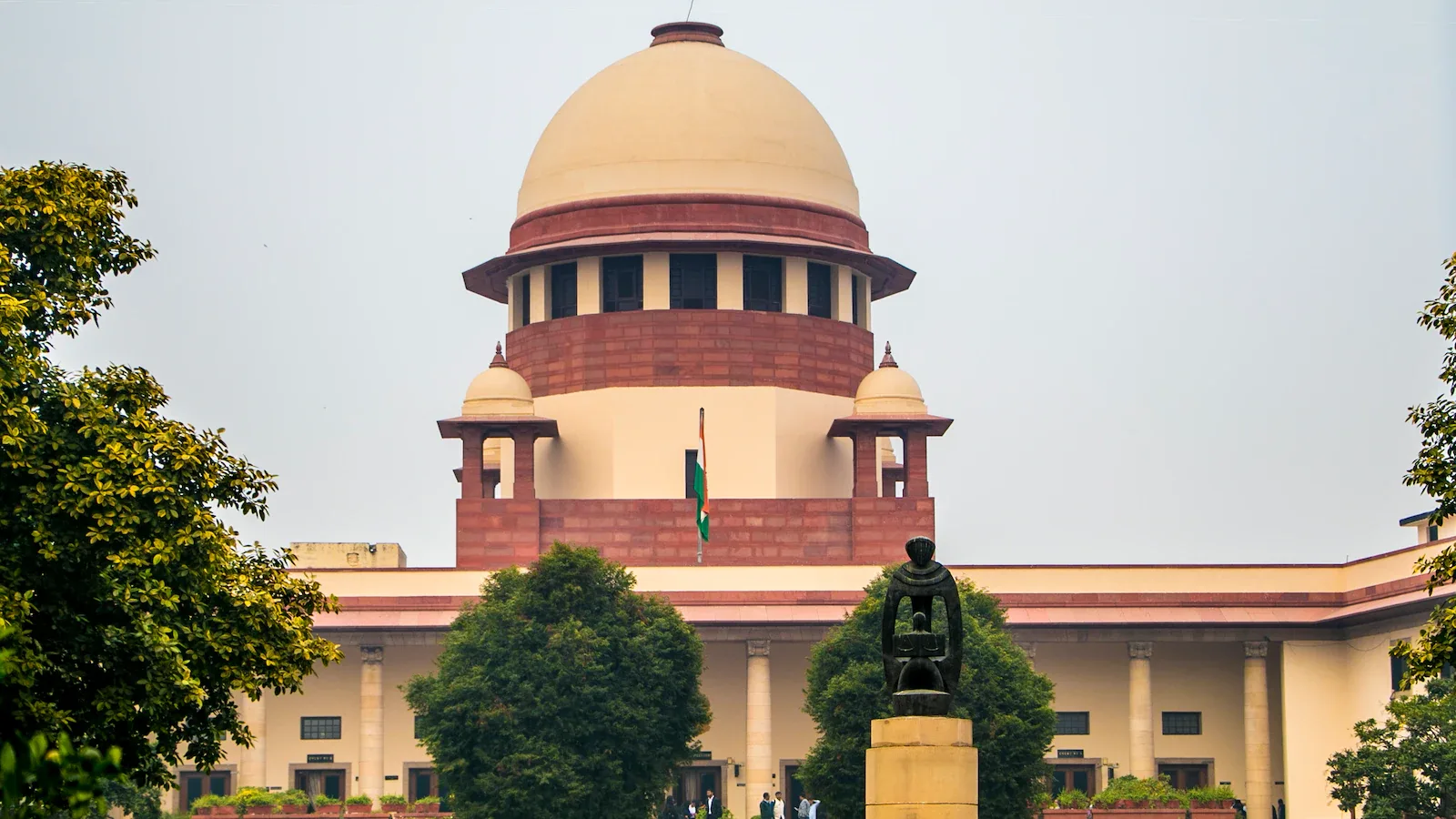
The Supreme Court ruled that prolonged litigation does not negate a landlord's genuine need for property.
The case involved a landlord from Pilibhit, Uttar Pradesh, who sought to reclaim his property for a medical clinic.
The court mandated the tenant to vacate the premises within 30 days and settle all outstanding rent.
In a significant legal decision, the Supreme Court of India has reinstated an eviction order for a landlord after a prolonged dispute lasting nearly four decades. The ruling, delivered on October 6, 2023, addresses a case from Pilibhit, Uttar Pradesh, where the landlord's need for the property was deemed legitimate despite the lengthy litigation.
The case dates back to July 1984 when the landlord acquired ownership of the property and subsequently issued a notice to the tenant under the Uttar Pradesh Urban Buildings (Regulation of Letting, Rent and Eviction) Act, 1972, requesting the tenant to vacate after three years. However, the tenant remained in possession, despite assurances made to the authorities as early as 1988.
In 2010, the landlord initiated eviction proceedings, citing the need to establish a medical clinic for his son, a neurosurgeon. The eviction was initially approved in December 2012, but the tenant's appeal led to a March 2025 ruling from the Allahabad High Court that set aside the eviction order. The landlord then escalated the matter to the Supreme Court.
The Supreme Court's bench, consisting of Justices Satish Chandra Sharma and Nongmeikapam Kotiswar Singh, emphasized that the passage of time should not undermine a landlord's legitimate needs. They referenced a previous ruling from 2023, which highlighted the injustice of requiring landlords to restart proceedings after extensive delays. The court ultimately restored the eviction order, directing the tenant to vacate the premises within 30 days and to pay all overdue rent.
This ruling has broader implications for landlord-tenant relationships in India, particularly in cases involving long-standing disputes. The decision underscores the judiciary's stance on balancing tenant rights with landlords' genuine needs, potentially influencing similar cases in the future. As the legal landscape evolves, the outcome of this case may prompt landlords to pursue eviction more vigorously when faced with prolonged tenant occupancy.